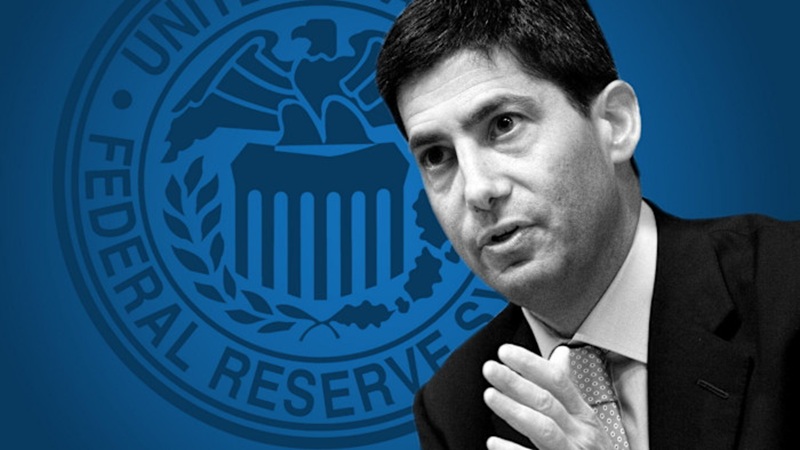
[ND Analysis] Kevin Warsh's Fed Chair Nomination: 'Regime Change' in the Crypto Market and the Prelude to Institutional Integration
At a Senate confirmation hearing on April 21, 2026, Fed Chair nominee Kevin Warsh defined digital assets as the 'fabric' of the U.S. financial system, signaling a major shift in policy direction. This analysis explores the impact of his 'regime change' vision, which moves beyond the caution of the Powell era.
At a Senate Banking Committee confirmation hearing held on April 21, 2026, Federal Reserve (Fed) Chair nominee Kevin Warsh clarified a shift in the central bank's attitude toward digital assets. He declared that cryptocurrency has already become a 'fabric' of the U.S. financial system, moving away from the cautious skepticism of previous generations. These remarks are interpreted as the Fed's intention to integrate the crypto economy into the system rather than merely monitoring it.
Digital assets are already the fabric of the U.S. financial system.
Nominee Warsh's remarks are being received as a strong 'bullish signal' among market analysts. This contrasts with the Fed under Chair Jerome Powell, which maintained a conservative approach by emphasizing the volatility and risks of digital assets. Warsh's vision suggests a 'regime change' that treats digital assets as mainstream financial products and manages them within the institutional framework.
A New Era: Kevin Warsh's Nomination and 'Regime Change'
During the hearing, Warsh strongly asserted his independence from the administration, vowing not to be the president's 'sock puppet.' He emphasized that the focus should be more on the 'nation's balance sheet' rather than the Fed's current $7 trillion balance sheet. This is interpreted as a willingness to apply new rules for inflation response and monetary policy management that differ from the status quo.
- Digital Asset Regulation: Transitioning from Powell's cautious monitoring to Warsh's systemic integration.
- Inflation Management: Suggesting the introduction of 'new inflation rules' instead of the existing gradual approach.
- Relationship with the Administration: Emphasizing strict independence despite the potential for close cooperation with the president.
- Balance Sheet Management: Focusing on reducing the size of Fed assets and their link to national fiscal health.
The market reacted immediately to Warsh's comments, showing volatility. Immediately after the hearing, Bitcoin (BTC) traded around $78,200.49, with profit-taking occurring in some sectors. Conversely, gold prices were pressured at the $4,747.50 level, reflecting investors' wariness of Warsh's hawkish stance and the new monetary order.
Warsh's economic views are expected to have a significant impact on the liquidity environment of the crypto market. The 'regime change' he advocates could alter how liquidity is supplied to the market, acting as a direct variable for the crypto market, where liquidity is a key driver of asset valuation. Investors are watching closely to see how his proposed new inflation countermeasures will change the market's appetite for risk assets.
Political Friction and the Path to Confirmation
The political confirmation process remains a variable. Republican Senator Thom Tillis supports Warsh but has placed a 'hold' on the confirmation for procedural reasons, while Senator Elizabeth Warren is persistently probing issues related to the 2020 election results and the Fed's independence. Despite this political friction, Warsh's chances of confirmation remain high, and the market is closely watching the final vote scheduled for May 2026.
Senate Banking Committee Chairman Tim Scott is actively pushing for Warsh's confirmation, emphasizing the restoration of the Fed's independence and strengthening U.S. leadership in the digital asset sector. Warsh's confident demeanor during the hearing garnered support from Republican members, but opposition from Democrats remains strong. In particular, Senator Warren has raised concerns about the Fed's neutrality, questioning Warsh's past actions and his relationship with the administration.
Conclusion: Key Points to Watch in May 2026
May 2026 will be a critical turning point that determines whether a Warsh-led Fed will emerge. If confirmed, the Fed is expected to accelerate the development of specific policies for establishing a stablecoin regulatory framework and integrating digital assets into the institutional system. Market participants are closely monitoring how the 'new inflation rules' mentioned by Warsh will change the status of digital assets as a store of value.
In conclusion, the emergence of Kevin Warsh could signal an evolution in the relationship between the Fed and the crypto industry from 'hostile symbiosis' to 'institutional integration.' If digital assets have already become the fabric of finance, as he stated, the Fed's role will now focus on how to weave that fabric more robustly. The upcoming shifts in the Fed's policy stance have the potential to fundamentally change the landscape of the global crypto market.



This content is for information and commentary only and is not investment advice.
Join the reader conversation
Read reactions to this article and leave your own note.