[Analysis] Trump's Declaration of Crypto Dominance and $3.4 Billion Outflow: The Reality of the Violent Storm Hitting Global Markets
As of April 26, 2026, global markets are experiencing extreme volatility with $3.43 billion in outflows following President Donald Trump's aggressive crypto policy announcement. Attempts to strengthen U.S.-led digital asset dominance are sparking conflicts with traditional finance and geopolitical tensions.
As of Sunday, April 26, 2026, the global cryptocurrency market is facing a so-called 'global storm' due to aggressive policy changes from the White House. Following President Trump's speech on April 23, the market has been fluctuating with rapid capital outflows and volatility. The crypto market has reached a major turning point as U.S. attempts to seize digital asset hegemony clash with the interests of the traditional banking sector.
According to a report by Cointribune, a total of $3.43 billion has been withdrawn from crypto funds over the past two weeks. This suggests spreading distrust among investors regarding Bitcoin and the Federal Reserve's policy direction. Market analysts attribute this massive capital flight to the uncertainty that arose following the White House's abrupt policy declaration.
The market turmoil witnessed as of April 26, 2026, is being evaluated as a geopolitical event that goes beyond simple price correction. The declaration of strengthening U.S. digital asset dominance is clashing head-on with existing global regulatory frameworks, sending serious shockwaves through the market. This situation is interpreted as the growing pains occurring in the process of reorganizing a new U.S.-centric financial order.
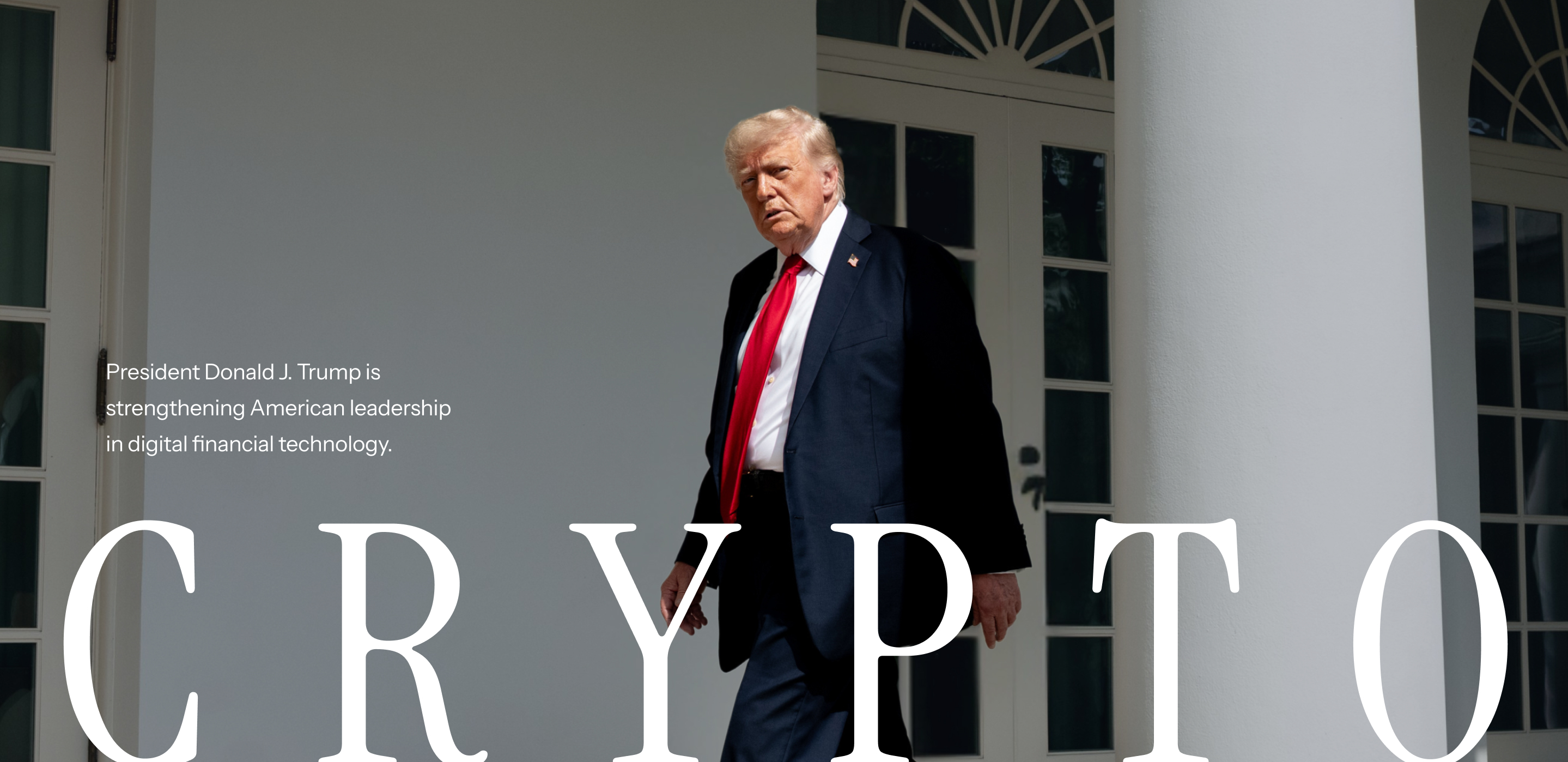
We must be dominant in the field of crypto. The United States must be dominant in everything we do, and crypto is no exception. — President Donald Trump, during a White House speech on April 23, 2026
In his White House speech on April 23, President Trump reaffirmed his commitment to making the United States the hub of cryptocurrency. This is a complete reversal from his past skeptical attitude in 2019, when he mentioned on Twitter that he was "not a fan of Bitcoin." This transformation into a 'crypto president' has sent a strong policy signal to market participants while simultaneously creating tension with global regulatory authorities.
Stablecoin Yields and Backlash from Traditional Banking
The Trump administration has sided with the crypto industry in the dispute between crypto companies and traditional banks over stablecoin yields. This policy stance has met with strong opposition from major banks such as JPMorgan and Bank of America, deepening friction within the financial system. The alienation of traditional finance is cited as one of the main causes exacerbating market instability.
- Ethereum (ETH) peaked near $5,000 in August 2025 but is showing severe volatility as of April 2026.
- The midterm elections scheduled for November 3, 2026, are expected to be a key variable in determining the continuity of crypto-related legislation.
- The theoretical peak following the Bitcoin halving is predicted to occur between April and October 2026, drawing market expectations.
The U.S. 'America First' crypto policy is raising alarm in other countries. Attempts to secure a monopoly in digital financial technology are becoming a factor that makes global regulatory cooperation difficult, raising concerns that this could lead to the fragmentation of international financial markets. Regulatory agencies in various countries are closely monitoring the impact of these U.S. moves on their own economies.
Market attention is now turning to the Federal Open Market Committee (FOMC) meeting held from April 28 to 29. As Chairman Jerome Powell's final meeting before the transition to Kevin Warsh on May 15, changes in monetary policy will serve as another catalyst for the crypto market. This transition period, coinciding with Powell's departure, is an element increasing overall uncertainty in financial markets.
The Republican Party's current slim majority in Congress is a key driving force supporting the Trump administration's crypto agenda. If the power structure is reorganized as a result of the November midterm elections, the current legislative momentum is likely to be lost rapidly. Therefore, the administration is accelerating its pace to achieve visible policy results before the election.
Ultimately, this storm in April 2026 is a complex product of technological innovation, traditional finance, and political ambition. Investors must carefully judge the market's direction amidst macro changes such as the upcoming midterm elections and the change in Fed leadership. Whether the U.S. declaration of hegemony leads to the institutionalization of crypto or becomes the prelude to greater market turmoil depends on the results of policy implementation over the coming months.
The White House continues to emphasize reform through leadership in Artificial Intelligence (AI) and the Department of Government Efficiency (DOGE), attempting to improve the overall structure of the economy. Within this flow of broad administrative reform, cryptocurrency continues its attempt to establish itself as a new growth engine for the U.S. economy. As of April 26, 2026, global markets are watching with bated breath for the ripples this massive experiment will bring.



This content is for information and commentary only and is not investment advice.
Join the reader conversation
Read reactions to this article and leave your own note.