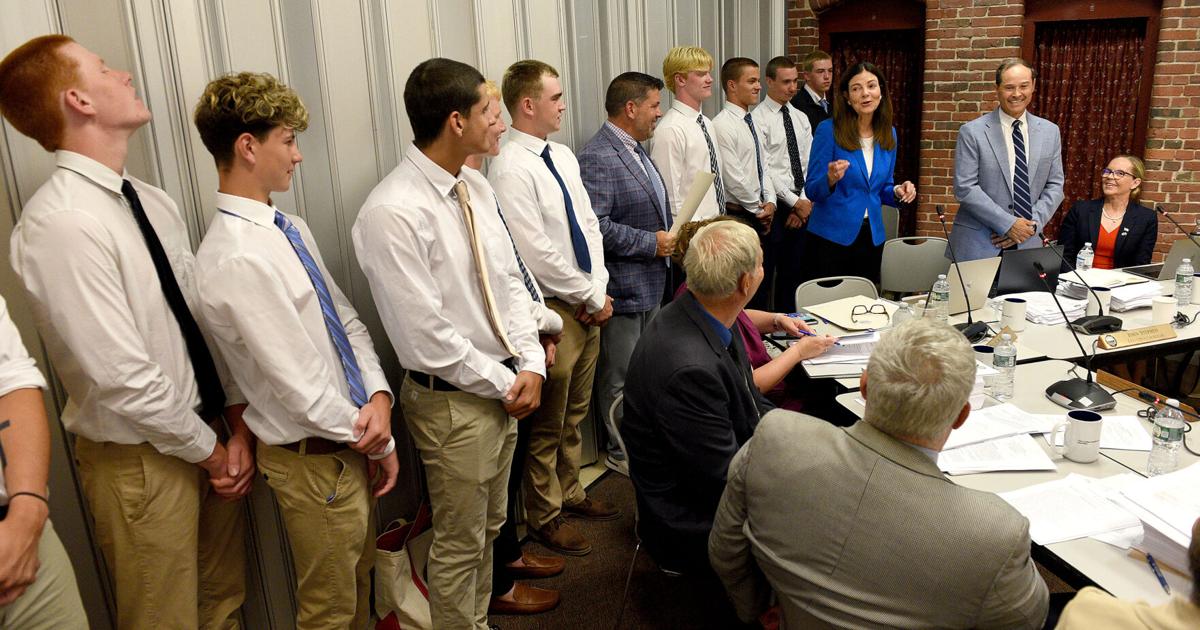
Clash of Innovation and Caution: New Hampshire Executive Council Rejects $100 Million Bitcoin-Backed Bond Proposal
On July 8, 2026, the New Hampshire Executive Council rejected a $100 million Bitcoin-backed municipal bond proposal, which had garnered attention as a first-of-its-kind state-level attempt, by a narrow 3-2 vote. Despite Governor Kelly Ayotte's support, concerns over asset volatility and credit ratings hindered the proposal.
On July 8, 2026, the New Hampshire Executive Council rejected a $100 million Bitcoin-backed municipal bond proposal, which would have been a first in the United States, in a 3-2 vote. This decision is seen as an instance where an innovative attempt to integrate cryptocurrency into the financial system at the state level hit the wall of traditional fiscal conservatism.
Despite strong support from Governor Kelly Ayotte and assurances that there would be no risk to taxpayers, the Council remained skeptical of the volatility of digital assets. With three of the five members of the Executive Council voting against it, the plan to issue the world's first Bitcoin-backed bond has been put on hold for now.
During the meeting held in Concord, the Council cited Bitcoin's volatility and the potential damage to the state's reputation as primary reasons for opposition. Supporters argued that the bond was an opportunity to make New Hampshire a hub for digital finance, but opponents placed greater weight on the risks associated with an experiment conducted under the state's name.
Bitcoin is something we must seriously consider for the future.
Governor Ayotte attempted to persuade the Council, arguing that this bond issuance was a significant opportunity to make New Hampshire a leader in financial innovation. She emphasized that Bitcoin has become an element that cannot be ignored in the modern economy and that the state government must respond proactively to these changes, but ultimately failed to overcome the one-vote margin.
Structure and Mechanism of Bitcoin-Backed Bonds
The proposal utilized a "Conduit Bond" structure in which the New Hampshire Business Finance Authority (BFA) acts as an intermediary for private borrowers. This method is not a direct borrowing of funds by the state government, but rather a form that opens a pathway for private partners such as Wave Digital Assets and Rosemawr Management to raise funds using Bitcoin as collateral.
- Issuance Size: $100 million (The first Bitcoin-backed municipal bond in the U.S.)
- Lead Agency: New Hampshire Business Finance Authority (BFA)
- Collateral Asset: Bitcoin (BTC)
- Collateral Ratio: 1.6x over-collateralization through BitGo
- Credit Rating: Ba2 (Speculative grade) according to Moody's
The BFA explained that the 1.6x over-collateralization through BitGo would be a sufficient safeguard against a decline in asset value and that there would be no risk to taxpayers. They added that if this structure were successful, New Hampshire would have been recorded as the first region in the world to issue Bitcoin-backed municipal bonds, allowing it to enjoy significant economic promotional effects.
However, the Council took seriously the negative impact that the Ba2 rating, or speculative (junk) grade, assigned to this bond by Moody's would have on the state's financial credibility. Members judged that even with a conduit structure, the mere fact that the name of the State of New Hampshire is attached to "junk" grade bonds could be a potential threat to the state government's credit rating.
Market Context and Future Outlook
This case shows that even as cryptocurrency-backed finance is spreading to private sectors such as mortgages as of 2026, there are still high thresholds for adoption in the public sector. Despite the establishment of technical standards such as 1.6x over-collateralization, the perception that it is premature to accommodate the volatility of digital assets in the traditional municipal bond market played a strong role.
James Key-Wallace, Director of the BFA, stated that despite this rejection, he intends to resubmit the agenda after supplementing the information requested by the Council. In an interview with Bloomberg News, he said he is ready to provide all the information the Executive Council needs and believes that this innovative financial model will eventually be approved.
Future Key Points to Watch in Digital Asset Legislation
The discussion on Bitcoin bonds in New Hampshire is expected to become a venue for ongoing conflict and consultation between the state government and the legislature regarding the future integration of digital assets into the institutional system. Although the first attempt was thwarted, the BFA remains committed to the concept, so the debate over Bitcoin's role in the New Hampshire state treasury is likely to continue for the time being.
Experts believe that the results of this vote will also influence the formulation of cryptocurrency-related policies in other state governments. Overcoming asset volatility and ensuring the stability of credit ratings will be key challenges for the success of similar financial products in the future.



This content is for information and commentary only and is not investment advice.
Join the reader conversation
Read reactions to this article and leave your own note.