$200,000 Jackpot with a $150 Small Device... Behind the 2026 Bitcoin Solo Mining Craze
On July 9, 2026, an individual miner using a small mining device worth just $150 is making headlines after winning a Bitcoin block reward valued at approximately $200,000.
On July 9, 2026, a statistical miracle occurred on the Bitcoin network, reawakening the dream of 'home mining.' A solo miner operating a palm-sized $150 device successfully solved block 957382, securing a reward worth about $200,000 (approximately 270 million KRW). This event is being hailed as a case showing that individual participation is still viable in a mining market dominated by giant corporations.
The miner discovered the block around 03:30 UTC on July 9, 2026, while mining using 'Public Pool' on an Umbrel node. At the time, the Bitcoin network difficulty was at a record level exceeding 133T, yet this miner succeeded in solving the block after only 8 hours of operation.
Looking at the specific reward details, the miner earned a total of 3.1382 BTC, combining a block subsidy of 3.125 BTC and transaction fees of approximately 0.0132 BTC. This amount is equivalent to about $200,000 based on market prices at the time. Achieving such a result with a low-end device worth $150, rather than an industrial miner, is extremely rare.
This event symbolizes the randomness and decentralized spirit of the Bitcoin network. It has once again been proven that opportunities are open not only to mining farms with massive capital but also to individuals running small devices at home.
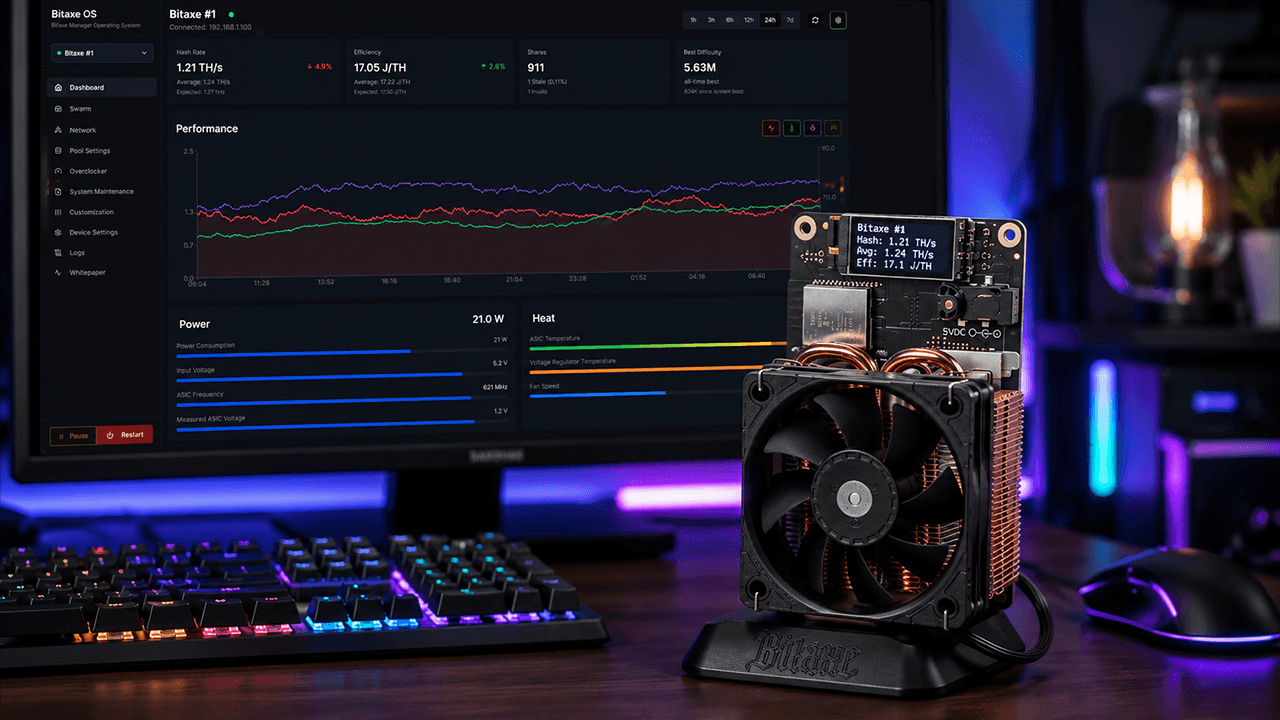
The device used by the protagonist of this miracle is an open-source ASIC miner called 'Bitaxe.' Bitaxe is a palm-sized device consisting of a small fan and chipset, popular among hobbyist miners due to its low power consumption and affordable price. However, in terms of performance, it is negligible compared to industrial equipment.
$150 Rebellion: Bitaxe Hardware Specifications
The Bitaxe miner provides a computing speed of approximately 1 TH/s (terahash). This is a negligible level compared to the computing power of large mining pools boasting scales of hundreds of PH/s (petahash). Nevertheless, this device won the network competition, demonstrating that Bitcoin mining involves probabilistic opportunities beyond a simple battle of capital.
- Device Name: Bitaxe (Open-source ASIC miner)
- Purchase Price: Approximately $150
- Computing Speed: Approximately 1 TH/s
- Platform Used: Umbrel-based Public Pool
Statistically, the probability of discovering a block at the current network difficulty with 1 TH/s performance is only about 1 in 6.5 million. This is essentially a probability similar to winning the lottery. Experts are expressing amazement at this miner's victory over giant mining pools, calling it a case of 'David defeating Goliath.'
What is surprising is that the success of these solo miners is not an isolated incident in 2026. In the 12 months leading up to July 2026, a total of 24 blocks were discovered by solo miners, a 41% increase from the previous year. Notably, 12 blocks have already been created by individual miners from the beginning of 2026 to the present.
Unlike pool mining, which shares rewards with other participants, solo mining has the appeal of being able to take the entire reward upon block discovery. However, the probability is extremely low, so there is a high risk of no revenue being generated. Nevertheless, individual miners' challenges continue through platforms such as CKPool or Futurebit Apollo.
This phenomenon contributes to strengthening the resilience and decentralization of the Bitcoin network. This is because it encourages hobbyists with affordable equipment to participate in the network, despite the high entry barriers of the industrialized mining market. These 'lottery-style' success stories in 2026 are the driving force behind more individuals remaining direct members of the Bitcoin ecosystem.


This content is for information and commentary only and is not investment advice.
Join the reader conversation
Read reactions to this article and leave your own note.