Accused of Embezzling $10 Million: The Indictment of NFT Founder Taji Tarsha and the Evolution of Virtual Asset Regulation
In early August 2026, Taji Tarsha, founder of the NFT project FAR, was indicted by federal prosecutors for allegedly misappropriating $10 million in investor funds for personal use. This case is considered a symbolic example of regulatory authorities' commitment to strengthening transparency in the digital asset market.
As of August 6, 2026, the digital asset market is facing as much demand for legal accountability as it is for technological innovation. The recent indictment of Taj Tarsha, founder of the NFT project FAR, by the New York federal prosecutor's office stands at the center of this shift. Tarsha is accused of funneling $10 million raised from investors into personal luxuries and hobbies rather than project development.
This indictment suggests that the 'fake it until you make it' culture of the early NFT market can no longer evade the reach of the law. Investigative authorities have classified Tarsha's actions—misusing investor trust to fund his own 'lifestyle'—as classic wire fraud. This is considered a clear criminal act, distinct from simple business failure.
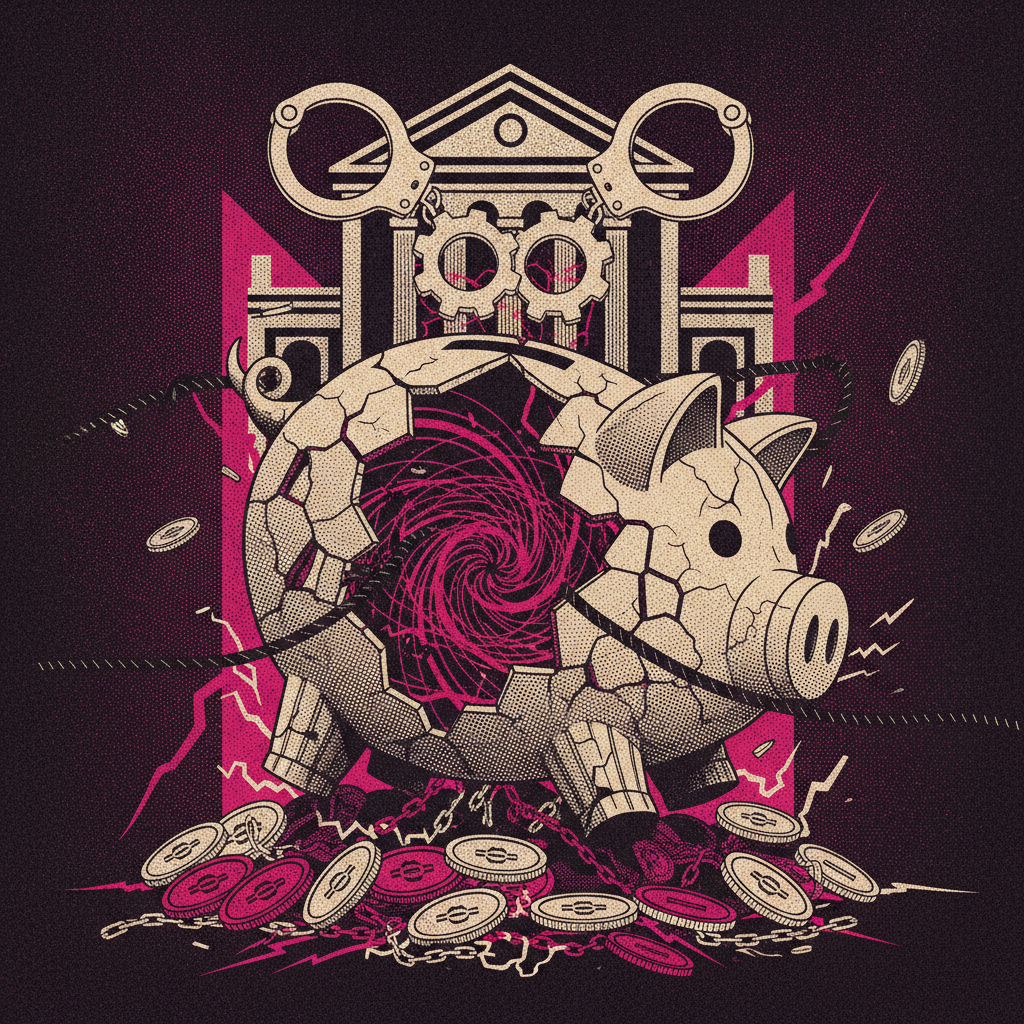
Regulatory authorities are treating this case as part of a major crackdown on the misuse of digital assets spanning from 2025 to 2026. Tarsha's case serves as a strong warning to founders who treat project finances as their personal piggy banks. Prosecutors and the Securities and Exchange Commission (SEC) are now focusing their investigative efforts on uncovering classic financial fraud schemes hidden behind technical complexity.
The development of this case is expected to serve as an opportunity to redefine transparency and the ethical responsibilities of founders in the virtual asset market. Investors are no longer swayed by flashy marketing or a founder's ostentatious lifestyle, and have begun to demand transparency in actual fund management. As legal proceedings continue, regulatory compliance standards across the NFT industry are expected to become even stricter.
Tarsha secured funding by selling approximately 95 million FAR tokens to at least 67 backers. The average investment per investor was about $150,000, a figure that reflected significant expectations for the project's vision and utility. However, the prosecution's investigation revealed that these funds were used to satisfy Tarsha's personal desires instead of the promised technological development.
The defendant betrayed the trust of investors and used project funds to satisfy their own personal desires.
In particular, Tarsha is suspected of using investment funds to pay off a mortgage on a Miami condominium and squandering large sums on gambling. Furthermore, it has been revealed that millions of dollars were spent on equipment and expenses to build their DJ career, sparking public outrage among investors. This misappropriation of funds resulted in the complete destruction of the project's financial health.
The Evolution of the Legal Framework and the SEC's All-Out Pressure
Tarsha's case shows a pattern strikingly similar to the past Saffron case. Saffron also lured investors by promising high returns of 600% through a 'trading bot,' and gained trust by staging displays of wealth, such as holding meetings at a Hollywood Hills mansion and being accompanied by armed bodyguards. Such psychological deception is analyzed as a core tactic commonly used by NFT scammers.
- Impact Theory: The first case in which the SEC took enforcement action by classifying NFTs as securities.
- Stoner Cats: Served as a wake-up call to NFT issuers by being fined for offering unregistered securities.
- Nathaniel Chastain: Defined the property rights of digital assets through an appellate court ruling in September 2025.
- OpenSea: Following the receipt of a Wells Notice in September 2025, it is facing a class-action lawsuit in Florida for the alleged sale of unregistered securities.
Efforts to recover losses for investors are ongoing, but the process is arduous due to the decentralized nature of the assets. State-level securities regulators are strengthening oversight, such as requiring money transmitter licenses for NFT platforms, to protect consumers. The class-action lawsuit against OpenSea currently underway in the U.S. District Court for the Southern District of Florida is expected to be a significant legal watershed that will determine the scope of liability for NFT exchanges.
As we head toward the end of 2026, international regulatory cooperation has become a necessity rather than an option. Along with a comprehensive review of the European Union's MiCA regulation, discussions are underway to coordinate regulatory standards with the United States. The prosecution of Taji Tarsha is expected to accelerate the market's cleansing process and, in the long term, serve as a foundation for building a more transparent and secure digital asset ecosystem.


This content is for information and commentary only and is not investment advice.
Join the reader conversation
Read reactions to this article and leave your own note.