EthicsPrivacyTerms of Use

Disclosure & Policies: ND MAGAZINE covers digital culture, internet communities, and onchain markets. Our editorial team operates independently, and contributors may hold digital assets or participate in projects discussed on this site. Opinions published here are for information and commentary, not investment advice. Policy questions and editorial requests can be sent to contact@ndmag.xyz.

© 2026 NDD INC. All rights reserved.

←Back
NewsPayments

Meta Returns After Libra's Failure, Building a Creator Economy Based on USDC and Solana

Meta, in collaboration with Stripe, has launched a pilot program for USDC payouts via the Solana and Polygon networks. This marks a strategic shift toward utilizing existing stablecoin infrastructure, bypassing the regulatory hurdles that hindered the previous Libra project.

CreatorHeny
DateApr 30, 2026

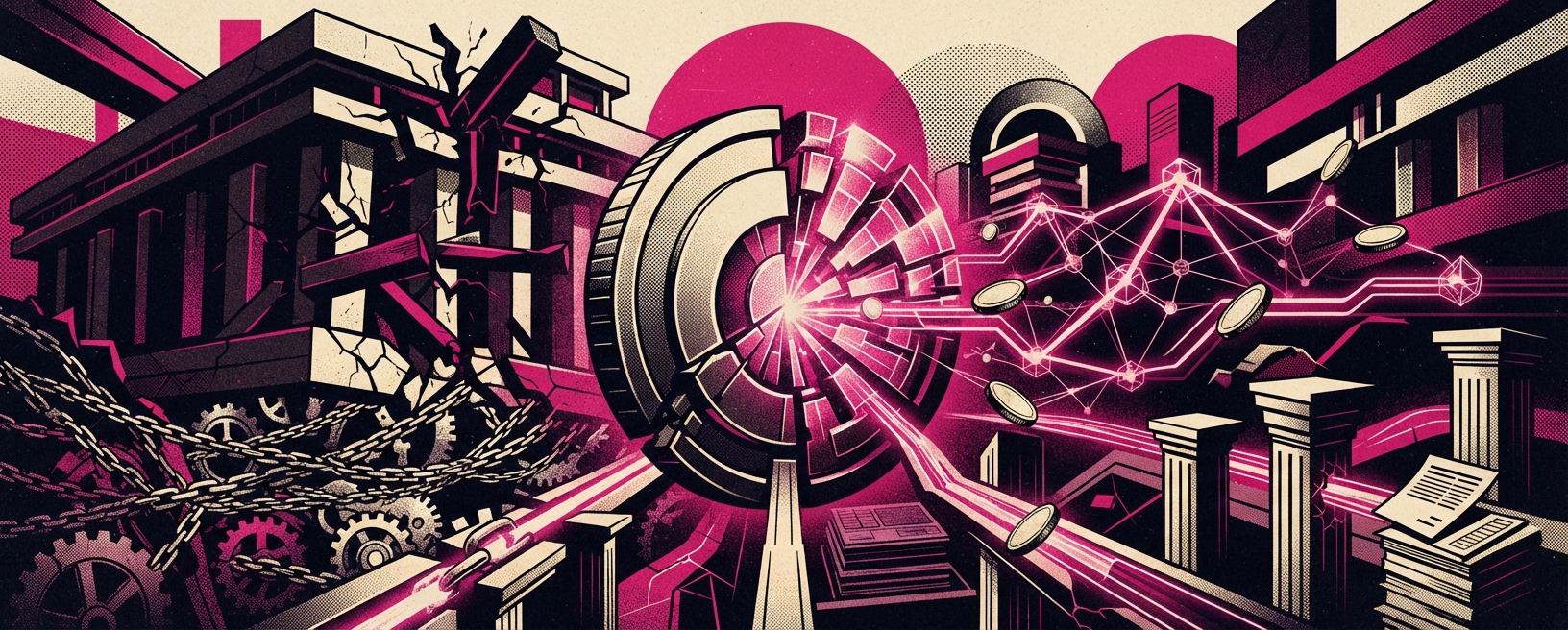
On April 29, 2026, Meta formalized its return to the cryptocurrency market by beginning to pay creators in USDC stablecoins via the Solana and Polygon networks. Supported by Stripe, this move is interpreted as a strategic shift away from previous attempts to build its own currency, instead leveraging proven, regulatory-compliant stablecoin rails to capture the multi-billion dollar creator economy.

Meta's choice to utilize an existing ecosystem instead of issuing its own stablecoin is the strongest signal of the direction cryptocurrency payments will take in 2026.

The pilot program will initially be rolled out to creators in Colombia and the Philippines. Creators active on Meta's major platforms, including Facebook, Instagram, and WhatsApp, can now receive their earnings directly in USDC through compatible cryptocurrency wallets. This provides new financial opportunities for creators in regions where access to traditional banking systems is difficult.

From Libra to USDC: An Evolution Toward Regulatory Pragmatism

Meta announced the Libra project in 2019 but faced setbacks, ultimately selling its Diem assets to Silvergate Bank in 2022 due to strong opposition from regulators and the departure of partner companies. Unlike the previous 'build-it-yourself' approach that consumed over three years and massive funding, this time Meta has taken a pragmatic approach by utilizing Circle's USDC and public blockchain networks to bypass complex regulatory hurdles.

  • Solana: Provides an environment optimized for micro-payouts with high processing speeds and low fees.
  • Polygon: Ensures scalability and ecosystem accessibility based on Ethereum Virtual Machine (EVM) compatibility.
  • Stripe: Supports seamless connectivity between fiat and cryptocurrency and regulatory compliance as an infrastructure partner.

Meta's selection of Colombia and the Philippines as initial markets is intended to address the high demand for cross-border remittances and the friction of existing financial systems in these regions. Payout methods using stablecoins are expected to drastically reduce the high fees and delays associated with traditional banking networks. Particularly in the creator economy, where small payments are frequent, these cost savings directly translate into increased real income for creators.

As of 2025, the amount Meta paid to creators reached approximately $3 billion, and as of March 2026, daily active users reached 3.56 billion. Marc Boiron, CEO of Polygon Labs, predicted that the program could expand to more than 160 countries by the end of 2026, signaling a shift in global payment standards beyond a simple experiment. Circle's transparent reserve reporting and regulatory compliance efforts served as a core foundation of trust for a public company like Meta to choose USDC.

This content is for information and commentary only and is not investment advice.

Join the reader conversation

Read reactions to this article and leave your own note.

Related stories

Toncoin Price Doubles Following Telegram's Declaration of Direct Control, Decentralization Controversy Heats Up

In early May 2026, the price of Toncoin (TON) soared from $1.32 to approximately $3, capturing market attention. While Pavel Durov's declaration of taking over operational control acted as a catalyst, critics argue that decentralization—a core value of cryptocurrency—is under threat.

May 9, 2026, 12:00 AM

Official Launch of Chiliz V2.0 and the Start of 'Central Bank Super Week'

On April 27, 2026, Chiliz officially launches Fan Token V2.0, ushering in a new era of tokenomics. Simultaneously, 'Central Bank Super Week' begins with the Bank of Japan's interest rate decision and the release of major US economic indicators, heightening tensions in both crypto and traditional financial markets.

Apr 27, 2026, 12:00 AM

Attempted Kidnappers of Sandbox Executive's Wife Caught Trying to Flee via Uber

A group that attempted to kidnap the wife of a Sandbox co-founder in France was arrested while trying to flee using Uber. This incident has shocked the industry as it occurred amidst a surge in 'wrench attacks'—physical violence targeting high-net-worth individuals in the crypto space.

May 31, 2026, 12:00 AM