2029 India General Election and Next Prime Minister Outlook: An Analysis Centered on Prediction Market Data and Constitutional Variables
As of July 2026, prediction markets are assigning a high probability to Prime Minister Narendra Modi's re-election in the 2029 Indian general election. This analysis examines the direction of Indian politics amidst structural changes such as constituency delimitation and the introduction of the 'One Nation, One Election' system.
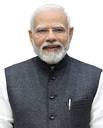
As of July 2026, with the Indian Parliament halfway through its term, prediction markets are placing weight on political continuity in the 2029 general election. Despite various speculations regarding leadership changes and constitutional reforms, current Prime Minister Narendra Modi holds a unique position as the leader to guide the next decade. Recent market data indicates that the probability of Prime Minister Modi retaining his position stands at 58%.
As of July 21, 2026, Kalshi prediction market data shows that the probability of Prime Minister Narendra Modi serving as India's Prime Minister after the 2029 general election is 58%.
Prime Minister Modi's 58% probability shows a significant gap from his competitors. Rahul Gandhi, a key figure in the opposition, is recording a 10% probability, while Home Minister Amit Shah, often mentioned as a strong successor within the BJP, remains at 2%. This suggests that market participants still believe Modi's strong leadership will be maintained, proving his influence remains solid despite challenges from both inside and outside the party.
Constitutional Milestones: Constituency Delimitation and One Nation, One Election
- 2026: The earliest possible point for conducting a new census and subsequent constituency delimitation.
- 2029: The 19th Lok Sabha (Lower House) general election is scheduled, and it is discussed as the 'designated date' for the 'One Nation, One Election' system.
- 2034: The year the Indian government aims for the full implementation of simultaneous nationwide elections.
Under the 84th Amendment to the Constitution of India, the currently frozen delimitation of constituencies can only be adjusted after the results of the first census following 2026 are released. The 2029 election could be the first stage where these structural changes are reflected, and it is expected to be a significant turning point as the 'Appointed Date' for the 'One Nation, One Election' (ONOE) system promoted by the Indian government. This system involves a major overhaul, including adjusting the terms of state assemblies to align with federal elections.
Incumbency Premium and the '75-Year Age Limit' Controversy
Prime Minister Modi, born on September 17, 1950, will turn 75 in 2025. Within the BJP, there is an unofficial convention of treating 75 as the retirement age, which has made his potential departure a subject of political debate. However, as of July 2026, he remains in power, and prediction markets identify him as the strongest candidate for victory in the 2029 election, placing greater value on the continuity of governance than on the age controversy.
Home Minister Amit Shah is regarded as a 'game changer' and a key policy architect within the party, wielding significant influence. His political trajectory has suggested the possibility of him taking on a larger role in Indian governance after 2024. However, the fact that his probability of becoming Prime Minister in prediction markets is only 2% indicates that his influence is concentrated on organizational control within the party, and he remains in Modi's shadow as a popular prime ministerial candidate.
Rahul Gandhi maintains his position as the most viable challenger from the opposition with a 10% probability. While he acts as the face of the opposition coalition and keeps the BJP's dominance in check, current market data indicates that he is not yet strong enough to shake the ruling party's solid support base. In particular, overcoming the structural changes and strong party organization pushed by the BJP remains the opposition's greatest challenge.
Demographic pressure is also a variable that cannot be ignored. According to the Indian government's announcement, India is a 'young nation' with approximately 65% of its population under the age of 35. This demographic structure will have a decisive impact on the messages of each political party in the 2029 election. The economic demands and job concerns of young voters have the potential to reshape existing political narratives.
In conclusion, the 2029 general election holds significance beyond a simple change of power in Indian political history. It will serve as a bridge toward the nationwide simultaneous election system in 2034 and will be a critical watershed moment that determines whether Prime Minister Modi will continue his long-term rule and the structural reorganization of India's political landscape. Attention will be focused on how political developments and the constitutional amendment process over the next three years will change the figures in the prediction markets.
| Candidate | Probability (%) |
|---|---|
| Narendra Modi | 58.0% |
| Rahul Gandhi | 10.0% |
| Amit Shah | 2.0% |
Market probabilities as of July 21, 2026, for the next Prime Minister of India.
Track the linked Kalshi market
This article is connected to a live Kalshi event. Review the linked chart below or open the full event on Kalshi.

This content is for information and commentary only and is not investment advice.
Join the reader conversation
Read reactions to this article and leave your own note.