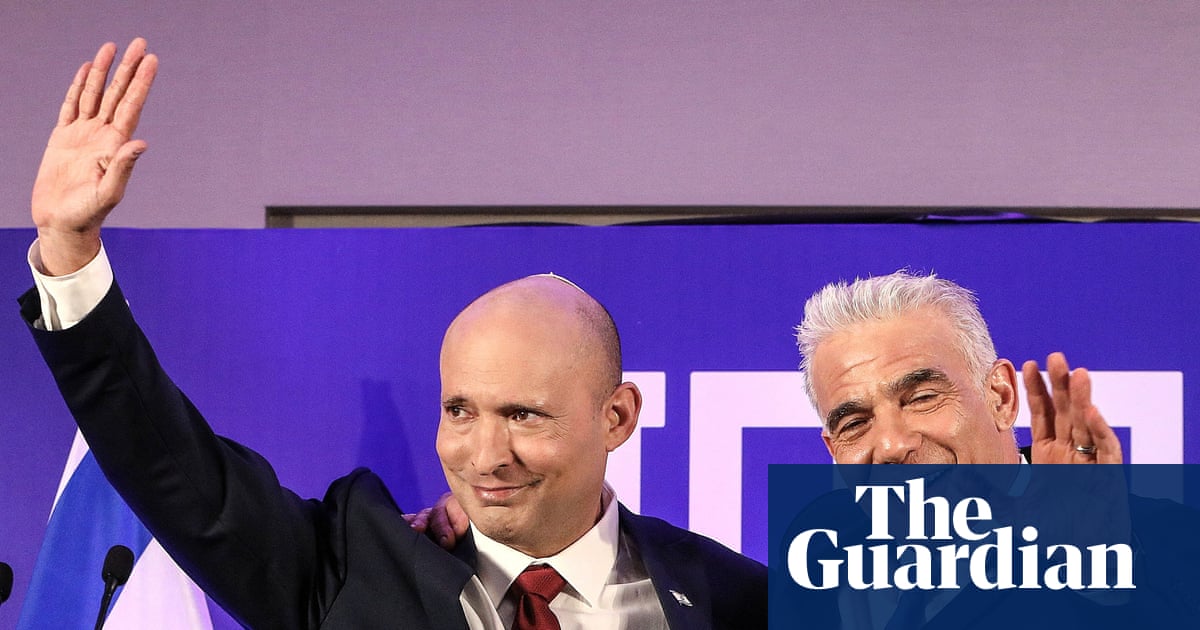
[Analysis] Seismic Shift in Israeli Prime Minister Prediction Markets Following Bennett-Lapid Alliance Declaration
As of April 27, 2026, former Prime Minister Naftali Bennett has emerged as the most likely candidate to succeed Benjamin Netanyahu, recording a 59% probability in prediction markets following his declaration of political integration with Yair Lapid.
On Monday, April 27, 2026, the race for the next Israeli Prime Minister to succeed Benjamin Netanyahu reached a decisive turning point. Following the surprise announcement of political integration by former Prime Ministers Naftali Bennett and Yair Lapid yesterday, April 26, 2026, prediction markets reacted immediately. Bennett currently holds a 59% probability of winning, solidifying a dominant lead and leaving Likud party rivals far behind.
According to data from major prediction markets such as Kalshi as of April 27, 2026, Naftali Bennett's probability of being elected the next Prime Minister has reached 59%. This result overwhelms figures for prominent Likud candidates Yariv Levin (3%) and Yoav Gallant (1%). Market participants evaluate this alliance between Bennett and Lapid as the most powerful variable that could end the Netanyahu administration's long-term hold on power.
It is time to leave Netanyahu's 30 years of politics behind and open a new chapter for the nation. This is exactly what we intend to do. — Former Prime Minister Naftali Bennett, during the merger declaration on April 26, 2026.
The alliance, named 'Together,' has consolidated the anti-Netanyahu camp's votes by joining the right-wing Bennett with the centrist Lapid. The news of this merger, officially announced on April 26, 2026, sent shockwaves through Israeli politics and has gained high market confidence for preventing vote splitting within the opposition and forming a unified front. Through this integration, Bennett expressed his ambition to end Netanyahu's 30-year system of governance and open a new chapter for the country.
Signs of Coalition Collapse and the Possibility of Early Elections
- Intensifying internal conflict following the failure to reach an agreement on the Draft Law.
- Increasing pressure within the coalition regarding the approval of the 2026 national budget.
- The shrinking position of the existing coalition due to the strengthening influence of the Arab party bloc.
According to an analysis by the Times of Israel, the combination of these three factors makes the possibility of early elections in 2026 higher than ever. Currently, the Israeli parliamentary (Knesset) elections are scheduled for October 27, 2026, but the prevailing observation is that difficulties in the budget process could serve as a fuse for the coalition's collapse.
Likud's Succession Vacuum and Bennett's Policy Shifts
Within the Likud party, a 'succession vacuum' continues, with no clear candidate emerging to replace Netanyahu. Defense Minister Yoav Gallant's standing within the party narrowed after clashing with Netanyahu during past judicial reform protests, which is the background for his probability remaining at 1% in prediction markets. Yariv Levin also recorded a low probability of 3%, failing to emerge as a strong challenger to Bennett.
In a recent interview, Bennett hinted at policy shifts aimed at the centrist population, such as allowing public transportation on Shabbat and introducing civil marriage. He emphasized that each city should be able to autonomously choose whether to operate on Shabbat and that all Israeli citizens should have the right to marry domestically without having to go abroad. This policy pivot is interpreted as a strategy to differentiate himself from conservative religious parties and secure the support of the secular middle class.
As of April 2026, Israel's security landscape faces the limits of the 'Super Sparta' model, where a war of attrition continues without a decisive victory. Chatham House analyzed that the Israeli public is feeling strategic fatigue from the prolonged mobilization system. The Bennett-Lapid alliance is tapping into this public sentiment by promising pragmatic change, and the passage of the budget over the remaining period until the October election is expected to be a key indicator of an actual change in government.
Key Points to Watch Until the October Election
- Whether the final national budget for the second half of 2026 is approved and the possibility of maintaining the coalition.
- Pressure within the Likud party for Netanyahu to step down and movements to elect new leadership.
- The announcement of specific joint economic policies and security pledges by the Bennett-Lapid alliance.
| Candidate | Market Probability |
|---|---|
| Naftali Bennett | 59.0% |
| Yariv Levin | 3.0% |
| Yoav Gallant | 1.0% |
Data reflects market probability on the Kalshi platform following the Bennett-Lapid merger.
Naftali Bennett holds a dominant lead over Likud insiders as of April 2026.


This content is for information and commentary only and is not investment advice.
Join the reader conversation
Read reactions to this article and leave your own note.