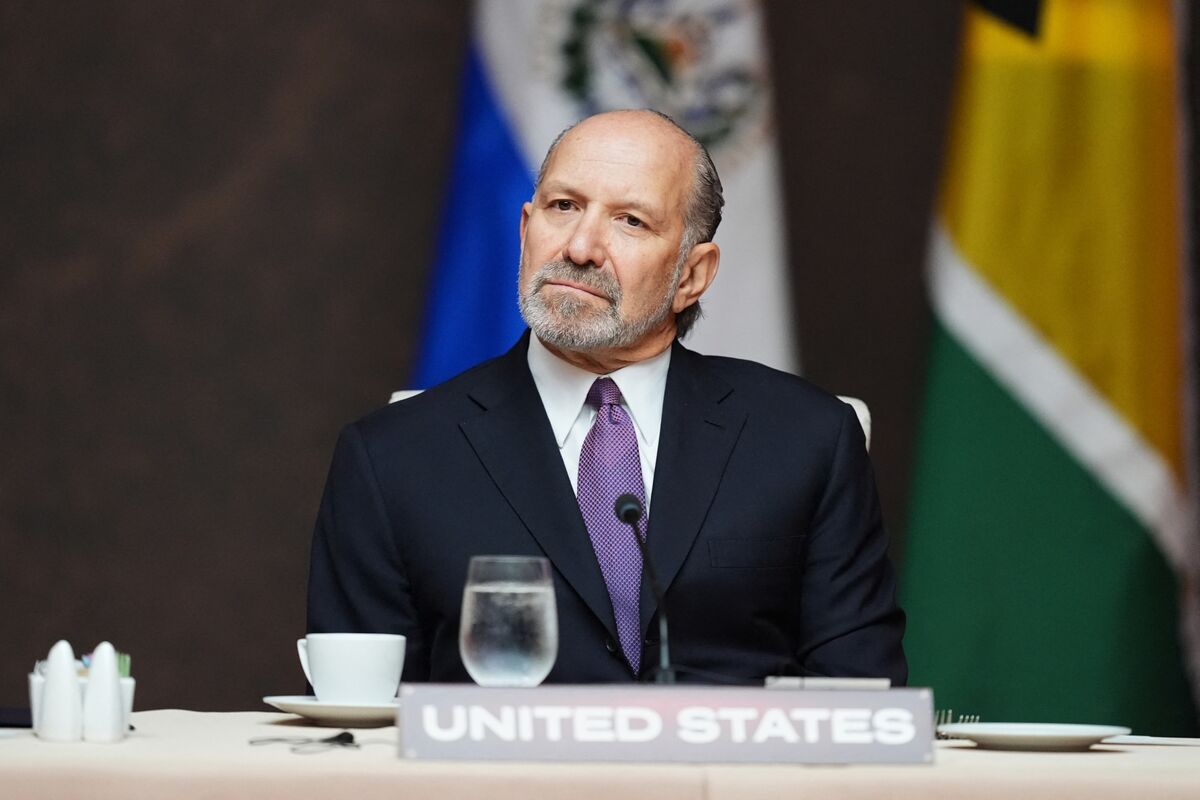
U.S. Senators Elizabeth Warren and Ron Wyden Raise Allegations of Collusion Between Commerce Secretary Howard Lutnick and Tether, Launching Investigation into National Security and Ethical Violations
U.S. Senators Elizabeth Warren and Ron Wyden have initiated a formal investigation into financial dealings between Commerce Secretary Howard Lutnick and stablecoin issuer Tether. The probe focuses on loans provided to a trust for Lutnick's children and potential conflicts of interest during the sale of his stake in Cantor Fitzgerald.
On April 30, 2026, Senators Elizabeth Warren and Ron Wyden sent an official letter to Commerce Secretary Howard Lutnick and Tether CEO Paolo Ardoino, demanding documents related to loans provided to a trust for Lutnick’s children. The investigation aims to determine whether Tether’s funds were used in the process of Lutnick selling his stake in Cantor Fitzgerald. This suggests a potential improper financial connection between a top U.S. government official and the world's largest stablecoin issuer, causing significant repercussions regarding national security and ethics.
Secretary Lutnick’s close relationship with Tether prior to his nomination, combined with the favorable treatment Tether received in the GENIUS Act, makes the reports of Tether’s loans to his children’s trust even more concerning.
Senator Warren of the Senate Banking Committee and Senator Wyden of the Finance Committee suspect that the loans Tether provided to Lutnick’s family trust were "bespoke financing" designed to facilitate the sale of Lutnick’s assets. The senators have ordered the submission of all records by mid-May 2026 that can prove the detailed terms of the loans and their connection to the acquisition of the Cantor Fitzgerald stake.
The Complex Financial Links Between Cantor Fitzgerald and Tether
According to reports by Bloomberg, Tether provided substantial loans to allow Secretary Lutnick’s children to purchase their father’s stake in Cantor Fitzgerald. Given that Cantor Fitzgerald is a key custodian managing billions of dollars in Tether’s reserves, the act of Tether lending money to the family of its own asset manager is being highlighted as a classic case of a conflict of interest.
- Cantor Fitzgerald's role as a custodian for Tether's reserves
- The scale and terms of the loans provided to Secretary Lutnick's children's trust
- The influence of Tether's funds during the stake sale process
The senators are particularly noting the favorable treatment Tether received in the recently passed GENIUS Act. As the timing of Secretary Lutnick’s nomination to public office overlapped with legislative activities beneficial to Tether, allegations are being raised that the loans provided by Tether may have been a form of quid pro quo for legislative lobbying or a means of exerting influence.
From a national security perspective, Tether’s opaque operations and history of criminal investigations have also come under scrutiny. Tether is currently under investigation by federal authorities for alleged violations of anti-money laundering regulations and sanctions. Critics argue that the Commerce Secretary maintaining a close financial relationship with Tether under these circumstances could weaken the administration's commitment to law enforcement.
Public Official Ethics and Transparency Issues in Asset Disclosure
According to Secretary Lutnick’s asset disclosure records, his assets are shown to exceed a maximum of $1.3 billion, but the specific loan relationship with Tether was not sufficiently explained. The Office of Government Ethics (OGE) plans to closely review whether the allegations raised in the letter constitute a violation of Secretary Lutnick’s ethics pledge for public officials.
Democrats are framing this issue as an example of structural corruption within the Trump administration and are intensifying their political offensive. In particular, circumstances where Cantor Fitzgerald, Lutnick’s former firm, made large donations to the Fellowship PAC—which is led by a Tether executive—are being used as key evidence of collusion between the cryptocurrency industry and political circles.
The future direction of this investigation depends on the content of the materials to be submitted by Tether and the Department of Commerce within the response deadline scheduled for May. If sufficient evidence to resolve the suspicions is not presented, the likelihood of formal Senate hearings and additional investigative referrals will increase, heightening market tension.


This content is for information and commentary only and is not investment advice.
Join the reader conversation
Read reactions to this article and leave your own note.