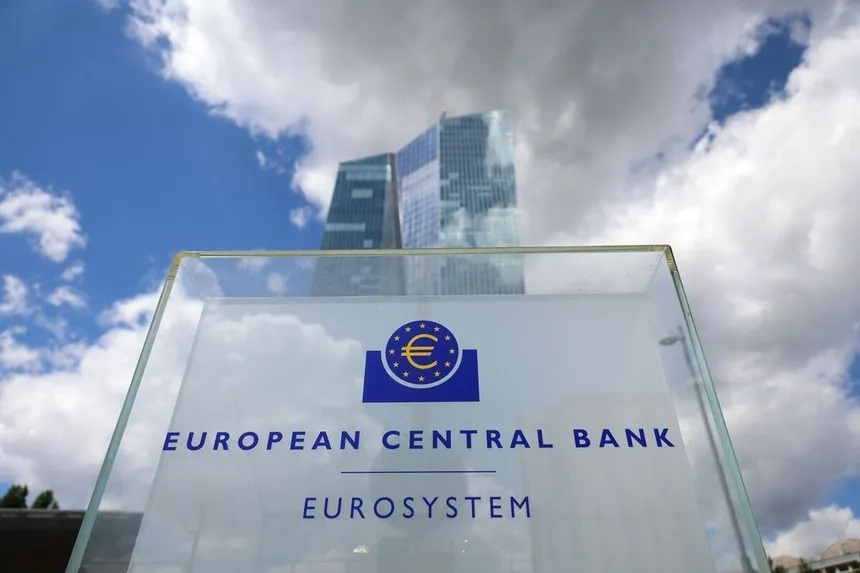
European Central Bank Signs Agreements to Reuse Existing Payment Standards to Ease Digital Euro Adoption Burden
On April 24, 2026, the European Central Bank (ECB) signed agreements with major standardization bodies to establish a technical foundation aimed at reducing the multi-billion euro integration cost burden on the financial sector.
On April 24, 2026, the European Central Bank (ECB) made significant progress toward making the digital euro a technical reality. The ECB signed agreements with three major European standardization organizations, deciding to utilize existing open payment standards instead of building an entirely new system. This demonstrates the Eurosystem's commitment to mitigating the massive integration costs faced by the European banking sector.
This move aims to reduce the multi-billion euro integration burden that financial institutions and merchants might face during the preparation phase of the digital euro project. By adopting standards compatible with existing infrastructure, the ECB seeks to increase private sector acceptance and ensure economic efficiency. The preparation phase of the project, which began in October 2025, is currently in the process of building technical capabilities.
The core of this strategic shift lies in the reuse of open standards. Instead of insisting on a proprietary system, the ECB has decided to utilize standards already proven in the market to lower the technical barriers encountered by banks and merchants when adopting new payment methods. This is seen as part of a long-term vision to integrate the payment ecosystem across Europe.
By the summer of 2026, we plan to publish the European standards to be used for the digital euro. Subsequently, we will work closely with market participants to ensure these standards can be quickly implemented in payment terminals.
As a technical foundation, the digital euro pilot has adopted ISO 20022 as the standard for its data dictionary and messaging structure. Furthermore, it adapts existing market standards for JSON RESTful API-based communication to ensure interoperability between modern systems. This technical framework contributes to smoothing data exchange between systems and reducing the possibility of errors, with specific standard types and protocols organized as follows.
Relieving the Multi-Billion Euro Integration Burden
Commercial banks are in a situation where massive capital expenditures are required for the introduction of the digital euro. By utilizing existing models, including Berlin Group standards, the ECB aims to minimize the costs for Payment Service Providers (PSPs) to update their systems. This is expected to act as a key factor in increasing private sector acceptance.

- Summer 2026: Scheduled publication of finalized European standards for the digital euro
- Second half of 2026: Legislative agreement and institutional approval among EU bodies required
- 2029: Target for official issuance and market launch of the digital euro
Payment Service Providers (PSPs) will serve as the technical access and integration layer between merchants and the central bank. Through standardized interfaces, non-bank PSPs and fintech companies can also seamlessly integrate digital euro transactions into their services. As a result, the digital euro will establish a foundation to secure a diverse user base and achieve economies of scale.
The Euro Retail Payments Board (ERPB) is reviewing whether the standards are suitable for the actual ecosystem by collecting feedback from market participants. Piero Cipollone, a member of the ECB Executive Board, maintains transparency by regularly reporting progress to the Committee on Economic and Monetary Affairs of the European Parliament. This collaborative development approach contributes to increasing the effectiveness of the digital euro.
In conclusion, the signing of the agreements on April 24, 2026, is a significant milestone in moving the digital euro beyond theoretical discussion toward becoming a practical economic tool. The ECB's pragmatic approach to balancing innovation with implementation costs will be a key driver supporting the long-term viability of the digital euro.



This content is for information and commentary only and is not investment advice.
Join the reader conversation
Read reactions to this article and leave your own note.