EthicsPrivacyTerms of Use

Disclosure & Policies: ND MAGAZINE covers digital culture, internet communities, and onchain markets. Our editorial team operates independently, and contributors may hold digital assets or participate in projects discussed on this site. Opinions published here are for information and commentary, not investment advice. Policy questions and editorial requests can be sent to contact@ndmag.xyz.

© 2026 NDD INC. All rights reserved.

←Back
NewsRegulation

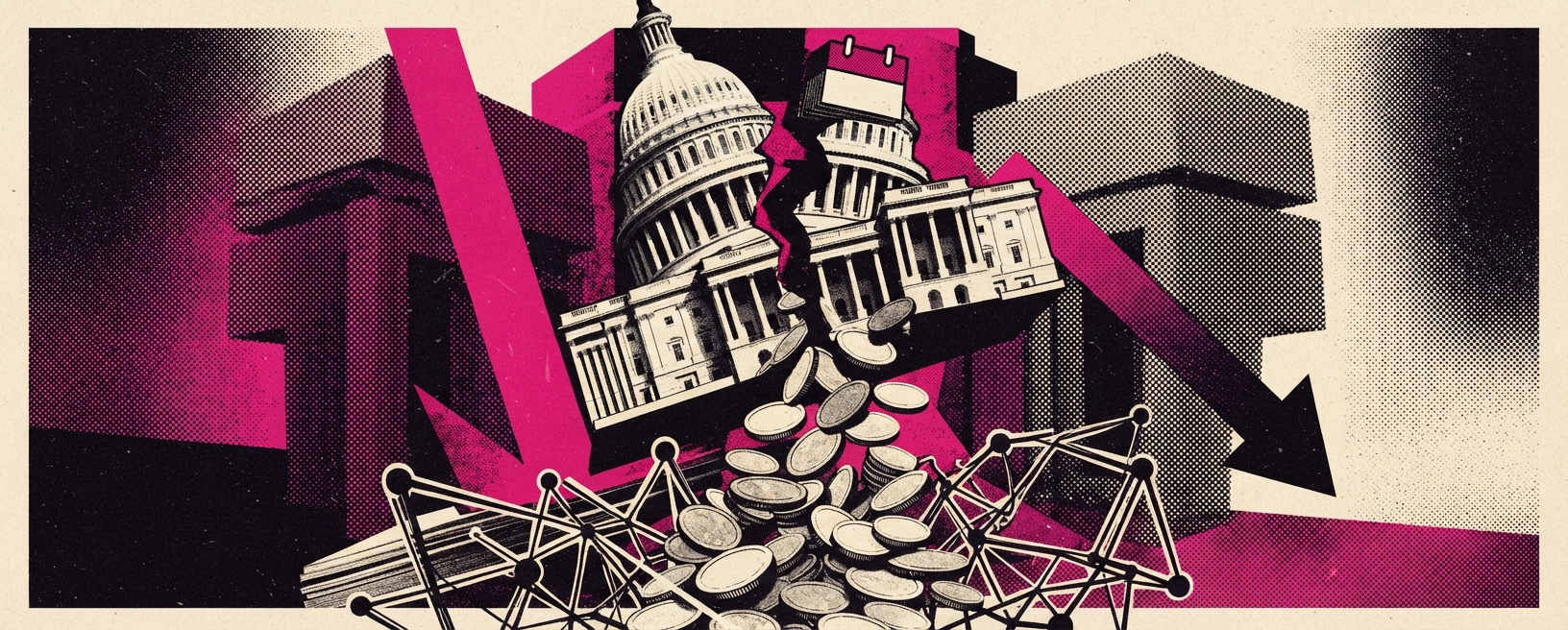
US Banking Sector Rejects Senate Stablecoin Reward Agreement... "Threatens Depositor Protection and Local Financial Stability"

On May 5, 2026, the American Bankers Association (ABA) and the Independent Community Bankers of America (ICBA) officially expressed their opposition, stating that the Senate's bipartisan agreement on stablecoin rewards does not sufficiently reflect the bank deposit protection system.

CreatorHeny
DateMay 5, 2026

On May 5, 2026, the American Bankers Association (ABA) and the Independent Community Bankers of America (ICBA) officially rejected the Senate's bipartisan agreement designed to address stablecoin rewards. Despite the agreement reached days ago by Senators Thom Tillis and Angela Alsobrooks, the banking sector warned that the amendment fails to bridge fundamental gaps in deposit protection and could severely hinder the lending capacity of regional banks. In a letter to Congress, they expressed strong concerns about the negative impact the current legislative direction could have on the traditional financial ecosystem.

It is the consistent position of the banking industry that stablecoins should function as pure payment instruments, not as savings or investment products. The currently proposed reward system essentially operates similarly to interest and could cause consumer confusion, which deviates from the intrinsic purpose of payment stablecoins.

The banking sector's opposition began when the Senate agreement, announced on May 1, 2026, allowed stablecoin issuers to provide 'rewards.' Major banking groups, including the ABA, pointed out that while these rewards provide economic incentives identical to interest on bank deposits, they are not protected by the Federal Deposit Insurance Corporation (FDIC). They argued that the legislation could give financial consumers the false impression that stablecoins are as safe as bank deposits.

The Tillis-Alsobrooks Agreement and Legislative Background

The Tillis-Alsobrooks agreement, unveiled on May 1, 2026, was an attempt to open a path for crypto companies to provide rewards to stablecoin holders while simultaneously establishing mechanisms to protect bank revenue models. This agreement was seen as a key breakthrough to advance the CLARITY Act to the Senate Banking Committee markup stage. However, the banking sector immediately demanded revisions, claiming that such a compromise could instead formalize regulatory gaps.

  • Permitted Payment Stablecoin: Digital assets that meet strict criteria defined under the GENIUS Act.
  • 1:1 Asset Backing Requirement: All issuers must hold high-quality liquid assets equal to the value of the outstanding balance at the end of each business day.
  • Reserve Custody Regulations: Stablecoin reserves must be deposited in FDIC-insured U.S. banks or pre-approved custodial institutions.
  • Non-Deposit Product Disclosure: According to FDIC rules implemented in January 2026, all platforms must clearly label stablecoins as non-deposit products.

The part the banking sector is most concerned about is the consumer risk arising from the 'non-deposit protection gap.' Traditional bank deposits are protected up to $250,000 through the FDIC, but this public protection system does not apply if a stablecoin issuer goes bankrupt. Banking groups warned that rewards provided by stablecoin issuers could be misunderstood by consumers as guaranteeing the same safety as deposit interest, which could lead to massive capital outflows during a financial crisis.

In particular, the FDIC's final rule on digital signage, effective since January 2026, mandates clear boundaries between crypto exchanges and bank partnerships. Nevertheless, the banking sector believes that 'rewards' as a marketing term could bypass the intent of regulators. They argue that if stablecoins are perceived as a means of savings rather than just a means of payment, the stability of the entire financial system could be shaken.

Impact on Local Economy and Community Banking

According to macroeconomic modeling analysis by the Independent Community Bankers of America (ICBA), allowing reward payments on stablecoins would significantly weaken the deposit base of community banks. If deposits flow out to the stablecoin market, the lending capacity of local banks will be directly reduced. This, in turn, could degrade the quality of financial services provided to local small business owners and homebuyers and act as a factor hindering local economic growth.

In a comment letter submitted to Congress, the ICBA emphasized that stablecoin rewards increase the funding costs for local banks. As banks must offer higher interest rates to maintain deposits, this leads to increased loan rates, thereby adding to the financial burden on local communities. They expressed concern that stablecoins could act as 'sinks' that destroy the virtuous cycle of funds in the local economy.

Future Outlook and Remaining Issues

Currently, the Senate Banking Committee is facing a markup of the CLARITY Act, but a schedule adjustment seems inevitable due to strong opposition from the banking sector. In addition to the stablecoin reward issue, numerous unresolved points remain, such as the Securities and Exchange Commission's (SEC) enforcement authority, decentralized finance (DeFi) provisions, and ethics regulations. Analysts at Galaxy diagnosed that these complex variables are likely to delay the Senate's legislative schedule.

In conclusion, the confrontation as of May 2026 is part of an attempt to find the optimal balance between the innovative functions of digital assets and the stability of traditional finance. Whether lawmakers will accept the banking sector's concerns and impose stricter limits on the reward system, or push through the current agreement for the growth of the crypto industry, will be a key variable determining the future market structure. For stablecoins to establish themselves as a true means of payment, the challenge of achieving both consumer protection and financial stability remains.

This content is for information and commentary only and is not investment advice.

Join the reader conversation

Read reactions to this article and leave your own note.

Related stories

Galaxy-BitGo Resume Legal Battle Over $100 Million Termination Fee Lawsuit

Mike Novogratz's Galaxy Digital and crypto custodian BitGo faced off again in a Delaware court on May 22, 2026. The $100 million termination fee lawsuit related to the $1.2 billion merger that collapsed four years ago has entered full-scale trial proceedings following a reversal and remand by the Supreme Court.

May 22, 2026, 12:00 AM

Ark Invest Buys Additional $5 Million of Bullish Stock Amid 3% Price Drop

Ark Invest, led by Cathie Wood, has accumulated an additional $5 million worth of shares in digital asset exchange Bullish (BLSH) following a decline in its stock price. This purchase comes amid Bullish's strong Q1 performance and strategic expansion through the acquisition of Equiniti.

May 22, 2026, 12:00 AM

Blockchain.com Secretly Files IPO Documents with SEC... Accelerating Crypto Listing Craze

Blockchain.com, a pioneer in crypto services founded in 2011, has secretly filed documents for an initial public offering (IPO) with the U.S. Securities and Exchange Commission (SEC). This decision, coinciding with the listing moves of major firms like Kraken and Gemini, is expected to be a significant milestone symbolizing the institutionalization of the crypto industry.

May 22, 2026, 12:00 AM