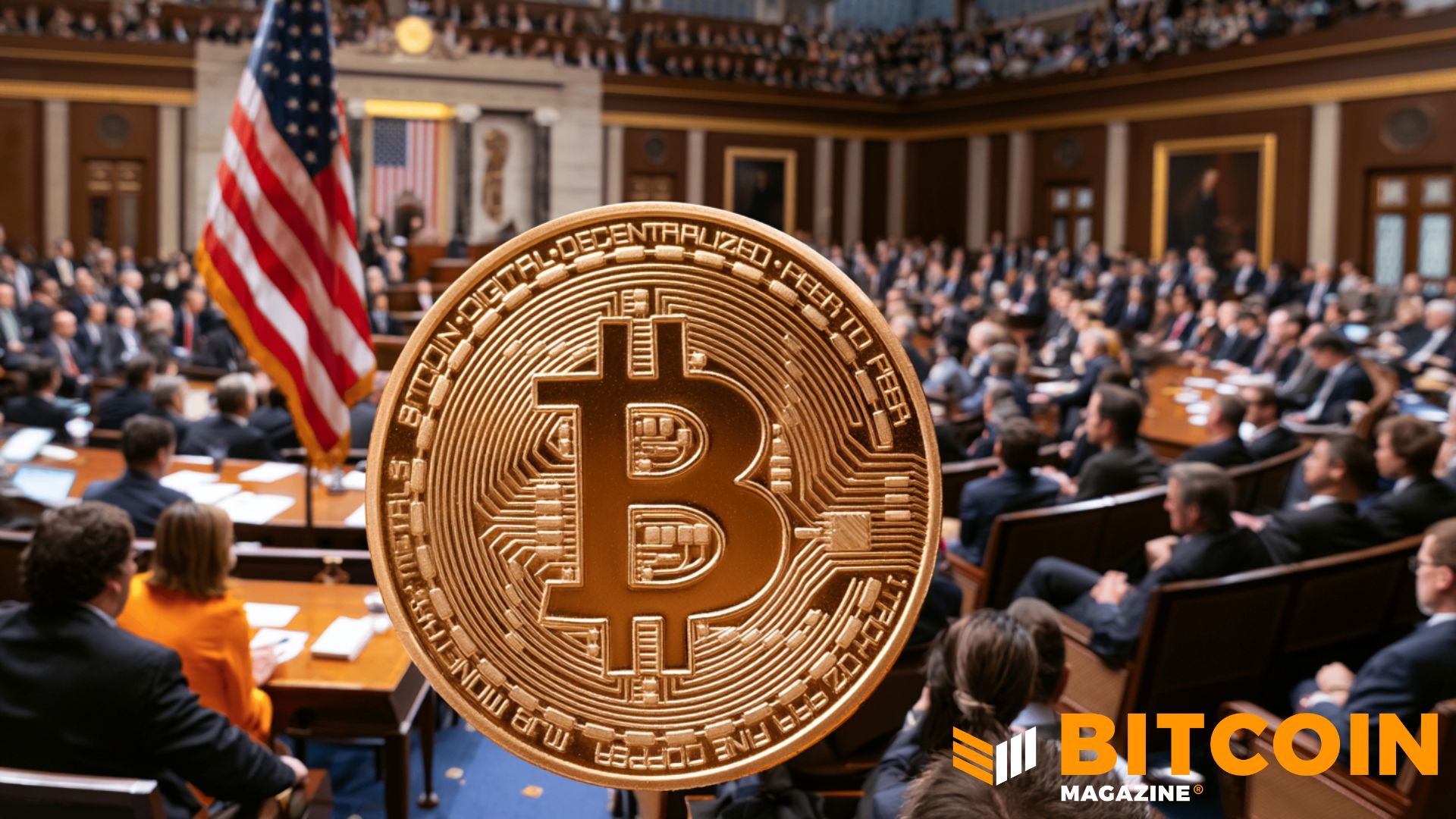
US Senate Banking Committee Passes 'CLARITY Act' Regulating Crypto Market Structure 15-9... Bitcoin Surpasses $82,000
On May 14, 2026, the US Senate Banking Committee passed the CLARITY Act, which regulates crypto market structure, with bipartisan support. This decision resolved a four-month legislative deadlock, and Bitcoin's price surpassed $82,000, drawing a positive reaction from the market.
On May 14, 2026, the US Senate Banking Committee passed the 'Digital Asset Market Clarity Act' (CLARITY Act) with 15 votes in favor and 9 against, aimed at ensuring clarity in the digital asset market. This vote is evaluated as ending a four-month procedural delay and establishing a significant turning point in the US crypto regulatory environment. Through this decision, the committee has moved formal legislative discussions on crypto market structure to the full Senate.
Whether today's vote is partisan or bipartisan depends entirely on politics, not policy. — Patrick Witt, White House Crypto Advisor
The vote resulted in a bipartisan outcome, with all Republican members joined by several Democrats. Notably, key Democratic figures such as Representative Ruben Gallego of Arizona played a decisive role in passing the bill by voting in favor. Conversely, many Democrats, including Senator Chris Van Hollen, maintained their opposition, pointing out security and regulatory deficiencies in the bill.
Historical Breakthrough by the Senate Committee and Market Reaction
Upon news of the bill's passage, the crypto market reacted immediately with a strong rally. Bitcoin (BTC) surged over 3% immediately after the announcement, breaking the $82,000 mark, while other major assets like Ripple (XRP) also recorded gains. This reversed the market sentiment that had been dampened the previous day by the release of inflation data, which saw $635 million flow out of spot Bitcoin ETFs.
- Whether to mandate anti-money laundering obligations for Decentralized Finance (DeFi) protocols
- Measures to counter crypto theft by state-sponsored hacking groups such as North Korea
- Clarification of criteria for determining whether digital assets are securities
- Achieving a regulatory balance between consumer protection and innovation
The core argument of the opposition was the flow of illicit funds through Decentralized Finance (DeFi). Senator Chris Van Hollen expressed concern, citing estimates that over $150 billion in digital assets flowed through wallets linked to illicit activities last year. He particularly emphasized that DeFi services were used for money laundering in North Korean exchange hacking incidents, arguing that the launch of unregulated protocols should be outlawed.
The CLARITY Act has faced difficulties, undergoing several schedule postponements. Chairman Scott originally aimed for a full Senate vote in September 2025, but later revised the schedule to late 2025, and only now has it finally crossed the committee threshold. This procedural delay reflects the complex interests within Washington politics surrounding crypto regulation.
The crypto industry is welcoming the committee's passage as a decisive turning point. However, some point out that questions regarding ethical issues and security vulnerabilities remain. The CEO of security firm CertiK recently warned that DeFi attackers are targeting operational security and supply chain weaknesses rather than smart contract bugs, specifically deploying more resources than defenders by utilizing AI.
The Arduous Journey Toward the Senate Floor
Having crossed the committee threshold, the CLARITY Act now faces its final hurdle: a vote on the Senate floor. The key will be whether it can maintain bipartisan support in the floor vote expected to take place within the next few months. Significant friction is anticipated until final legislation, as strong opposition still exists and attempts to amend detailed provisions of the bill are expected to continue.
This 15-9 vote result signifies that efforts to codify the crypto market structure in the US have reached a substantial track. Market participants are watching to see if this legislative process will serve as an opportunity for the US to secure competitiveness as a global crypto hub. Expectations are also growing that the entry of institutional investors will accelerate if regulatory clarity is secured.



This content is for information and commentary only and is not investment advice.
Join the reader conversation
Read reactions to this article and leave your own note.