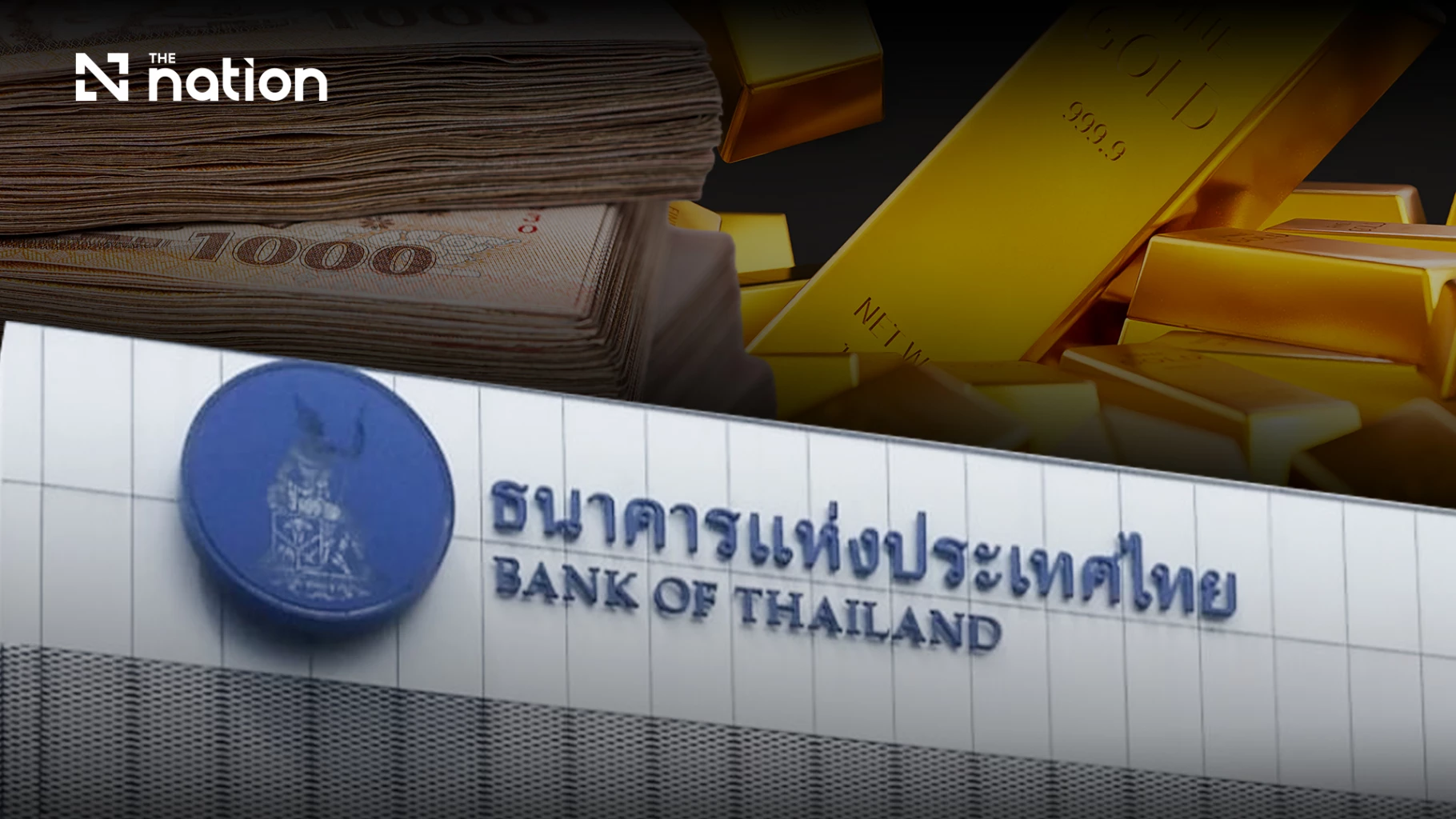
Bank of Thailand tightens crackdown on abnormal stablecoin transactions to eradicate 'grey economy': Joint audit with SEC launched
The Bank of Thailand (BoT), in cooperation with the Securities and Exchange Commission (SEC), has launched a major crackdown on abnormal transactions of stablecoins, including Tether (USDT). This move is interpreted as a strategic step to block 'grey economy' fund flows and eradicate the concealment of ownership.
On July 13, 2026, the Bank of Thailand (BoT) announced it is intensifying its crackdown on illegal financial networks in response to a surge in 'abnormal' stablecoin transactions detected through advanced data analysis. This regulatory shift, led by Governor Vitai Ratanakorn, targets high-value Tether (USDT) transfers used to evade traditional financial surveillance and hide ownership.
Data analysis results have captured numerous instances of stablecoin transfers designed with the intent to evade surveillance by regulatory authorities.
The BoT has shared its investigation findings with the Thai Securities and Exchange Commission (SEC), establishing a full-scale joint response system. The core objective of this crackdown is to cut off the funding lifelines of the shadow finance sector, known as the 'grey economy.' Authorities are focusing their analytical capabilities on preventing stablecoins from being used as channels for laundering criminal funds.
Joint Regulatory Audit by Central Bank and SEC
The BoT and SEC plan to jointly audit high-value USDT transactions to identify attempts to bypass regulatory standards or conceal beneficial owners. Both agencies are specifically scrutinizing large-scale transfers with high money laundering risks, a measure aimed at increasing transparency within Thailand's digital asset market.
- Strengthening beneficial owner verification procedures for high-value Tether (USDT) transactions
- Analysis of abnormal transaction patterns aimed at evading financial surveillance
- Blocking inflow routes of gray capital into digital assets and cooperating on asset freezes
Governor Vitai Ratanakorn issued a directive to conduct strict inspections of cash deposits starting from the fourth quarter of 2026. This is part of a strategy to pressure the overall shadow economy by tracking not only stablecoins but also gold bullion. The table below summarizes the main targets and objectives of this regulatory strengthening.
The overwhelming market share of USDT in the Thai market is the primary reason regulatory authorities have made it a top priority for monitoring. Tether is the world's largest stablecoin issuer, recording $15 billion in revenue throughout 2025 and reaching a net profit of $1.04 billion in the first quarter of 2026 alone. The results of the analysis on the impact of these massive capital flows on the Thai financial system are as follows.
Regulated Alternatives: Promoting Baht-Pegged Stablecoins
The BoT is accelerating the preparation of alternatives within the institutional framework while simultaneously cracking down on unregulated coins. In June 2026, the central bank encouraged the introduction of compliance-based Baht-pegged stablecoins to revitalize the domestic economy and urged voluntary participation from the private sector. This is interpreted as a dual strategy to block illegal fund flows while maintaining the efficiency of digital payments.
This movement aligns with the 2026 compliance strengthening stance of the Anti-Money Laundering Office (AMLO) of Thailand. AMLO has recently been strengthening its anti-money laundering framework across the board by expanding audits of real estate agents and digital asset businesses. Following the guidelines announced in April 2026, the reporting obligations of financial institutions have also become much stricter.
This crackdown is expected to act as a significant operational risk for virtual asset exchanges in Thailand. As financial controls are expected to become even stricter heading into the end of 2026, the burden of regulatory compliance costs for the industry is likely to increase. Experts evaluate that this measure will be a major turning point testing the health of the Thai digital asset market.
In conclusion, Thai authorities have expressed a strong determination to no longer tolerate money laundering and tax evasion using stablecoins. Depending on the results of future joint investigations by the BoT and the SEC, additional legal actions or transaction restrictions are likely to follow, which is also expected to influence the direction of virtual asset regulation across Southeast Asia.
| Metric | Value | Period |
|---|---|---|
| Annual Revenue | $15 Billion | Full Year 2025 |
| Net Profit | $1.04 Billion | Q1 2026 |
| US Treasury Exposure | $141 Billion | Current (July 2026) |
Financial scale of the primary stablecoin under Thai regulatory scrutiny.


This content is for information and commentary only and is not investment advice.
Join the reader conversation
Read reactions to this article and leave your own note.