Federal Law Enforcement Officers Association (FLEOA) Endorses CLARITY Act: A Major Turning Point for Crypto Legislation Ahead of August 7 Senate Deadline
On July 14, 2026, the Federal Law Enforcement Officers Association (FLEOA) officially announced its support for the Digital Asset Market Clarity Act (CLARITY Act). Coming ahead of the August 7 Senate deadline, this endorsement is expected to serve as key political momentum for the bill's passage.
On July 14, 2026, the Federal Law Enforcement Officers Association (FLEOA) declared its support for the Digital Asset Market Clarity Act (CLARITY Act), signaling a significant shift in the legislative process. This marks the second official endorsement from a major law enforcement agency, providing strong momentum for the bill as it approaches a Senate vote. After failing to meet the initial goal of a plenary session vote before the July 4th Independence Day holiday, this announcement has emerged as a key variable that could determine the fate of the bill, which faces strong opposition from Democrats.
FLEOA's endorsement suggests that the bill is effective not only for industry promotion but also in terms of national security and crime prevention. The association maintains that the new tools provided by this bill are essential for tracking illegal financial activities using virtual assets. In particular, the support of law enforcement agencies is expected to serve as an important indicator for moderate senators to verify the safety and reliability of the bill.
While FLEOA supports the intent of the CLARITY Act, it urges revisions to some legislative language to maximize the effectiveness of law enforcement in the field.
This move by law enforcement agencies acts as a 'validator' for the bill within the Senate, appealing to the votes of lawmakers concerned about national security. Supporters of the bill expect FLEOA's joining to be a strategic turning point that could lead to bipartisan support for the bill. This is having the effect of providing clear guidelines to lawmakers who were concerned about exposure to crime due to regulatory gaps.
The August 7th Senate Deadline and the Urgency of the Legislative Schedule
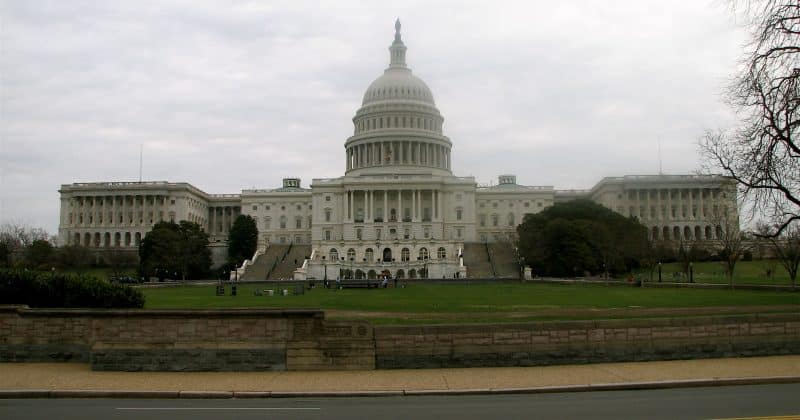
Currently, the U.S. Senate is facing a "moment of truth" as it must process this bill before the recess scheduled for August 7. Since passing the Senate Banking Committee on May 14, 2026, the CLARITY Act was officially listed on the Senate legislative calendar (Calendar No. 423) on June 1, qualifying it for floor consideration. However, the schedule targeted for early July has already been delayed, and a final vote must be completed within the remaining three weeks of the session.
- Establishment of a clear separation of jurisdiction between the SEC and CFTC and a digital asset classification system
- Creation of a pathway for blockchain startups to raise up to $75 million without traditional IPO procedures
- Establishment of a legal framework for the tokenization of real-world assets (RWA) such as real estate, stocks, and bonds
- Specification of protection measures and the scope of liability for non-custodial developers
The bill includes enhanced tools for law enforcement agencies to track digital assets and block illicit funds. These are measures to prevent virtual assets from being misused for money laundering or terrorist financing, which is one of the key reasons organizations like FLEOA evaluate the bill positively. These mechanisms support the logic that the bill supports financial innovation without compromising public safety.
However, opposition within the Democratic Party remains strong. Opponents, including Senator Chris Van Hollen, warn that the bill lacks sufficient consumer protection measures and could pose risks to the overall financial system. In particular, the lack of regulations limiting the accumulation of virtual assets by certain political figures has recently emerged as a point of contention, causing political negotiations for the bill's passage to stall.
State-Level Regulatory Trends and the New Hampshire Precedent
While federal legislation is moving urgently, state governments are also accelerating their own regulatory overhauls. On July 13, 2026, New Hampshire signed the "Blockchain Basic Act," which protects users, miners, and staking participants, establishing a crypto-friendly legal foundation. These state-level movements are being used as evidence to emphasize the urgent need for federal regulatory standardization.
Market attention is now focused on the Senate floor vote and the subsequent reconciliation process between the House and Senate. For the bill to pass before the August recess, a dramatic compromise with Democratic opponents or full support from centrist lawmakers is essential. It remains to be seen whether FLEOA's declaration of support can serve as a catalyst to break this political deadlock and lead the bill to final approval.
If it fails to pass the Senate by the August 7, 2026 deadline, the CLARITY Act is likely to drift long-term in conjunction with the election cycle in the second half of the year. Industry experts believe that this week and next week will be the final opportunity to determine the bill's fate. The global virtual asset market is watching to see if the CLARITY Act, having secured a powerful ally in law enforcement support, can cross the threshold of the U.S. Congress.



This content is for information and commentary only and is not investment advice.
Join the reader conversation
Read reactions to this article and leave your own note.