
[ND Analysis] The Light and Shadow of Digital Assets in 2026: The Rise of RWA and Intensifying Competition in Crypto ETFs
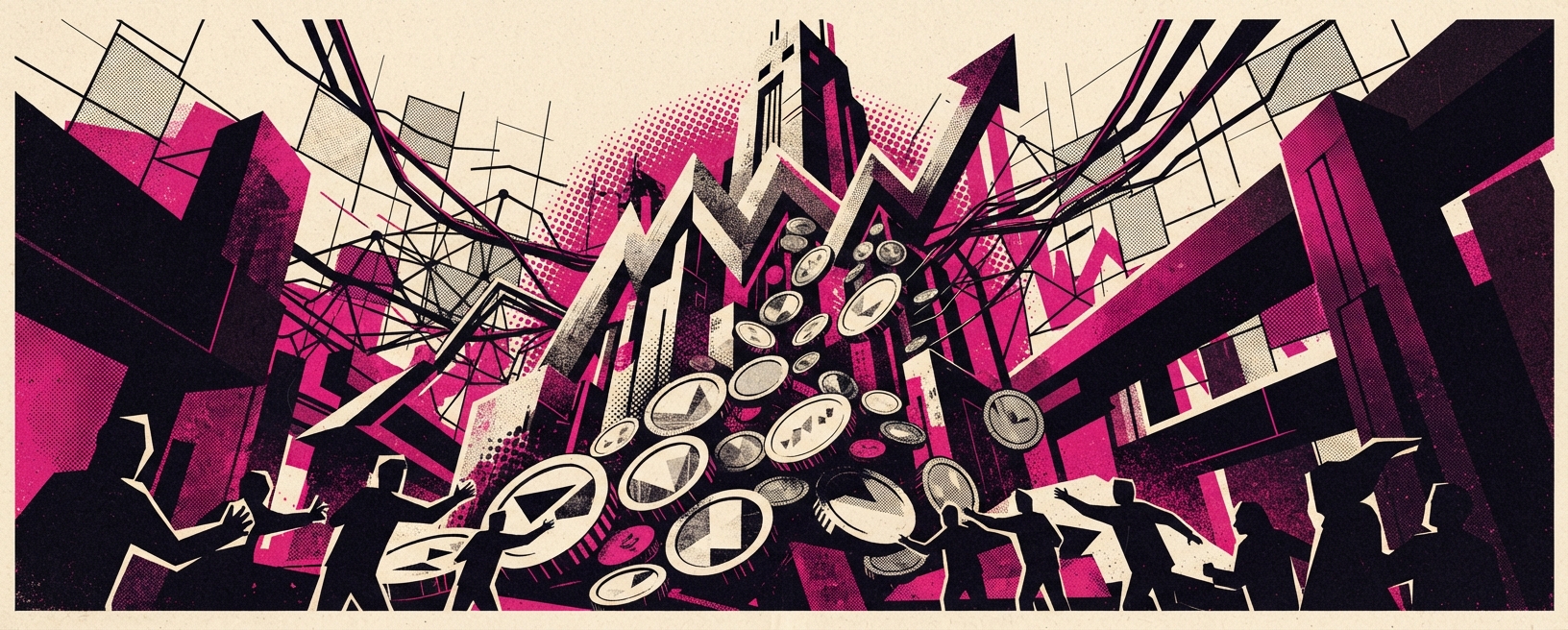
As of August 2026, the digital asset market is facing contrasting phases: the rapid growth of Real-World Asset (RWA) tokenization and a slowdown in demand for certain crypto ETFs. According to CoinShares, RWA deposits have more than tripled to $7.4 billion, while Hyperliquid ETFs have seen a decline in inflows due to the emergence of competitors within the regulatory perimeter.
In contrast to the broader Decentralized Finance (DeFi) sector, which has experienced a 15% contraction over the past year, the Real-World Asset (RWA) tokenization market has emerged as a dominant force, with deposits reaching $7.4 billion as of August 2026. Driven by an increased preference for on-chain government bonds and gold, RWA deposits have more than tripled year-over-year.
On the other hand, certain crypto ETFs such as Hyperliquid, which once surged, are seeing their growth slow due to market saturation and the emergence of regulated competing products. This suggests a shift toward 'qualitative easing,' where institutional investors prefer assets with clear intrinsic value and regulated infrastructure over speculative assets.
According to the latest reports from CoinShares and Token Terminal, RWA deposits surged by approximately 221.7% from $2.3 billion in Q2 2025 to $7.4 billion in Q2 2026. This growth occurred amidst a downturn in the overall DeFi market, demonstrating the potential of 'Hybrid Finance,' which combines traditional finance with blockchain.
Real-world asset tokenization has moved beyond a mere trend, establishing itself as a key means for institutional investors to secure stable income sources like government bonds and gold in an on-chain environment.
The growth of the RWA market is being led specifically by on-chain government bond funds and yield-bearing stablecoins. While total DeFi deposits decreased by approximately 15%, RWA-related spot trading volume increased by about 220%, clearly showing where market liquidity is flowing. The table below presents these rapid changes over the past year in figures.
The Offensive of Traditional Assets Leading the On-chain Market
Currently, the fastest-growing assets on-chain are tokens linked to government bonds, gold, and the S&P 500 index. These assets attract investors by simultaneously offering the efficiency of blockchain networks and the stability of traditional assets. In particular, Ethereum is becoming the most powerful foundation for accommodating these assets.
- Tokenized Government Bond Funds: The core asset accounting for the largest share of RWA deposit growth.
- Gold and Precious Metal Tokens: On-chain demand continues to emerge as a means of inflation hedging.
- Dominance of the Ethereum Network: As of April 2026, more than 56% of the total RWA value is hosted on Ethereum.
- Yield-bearing Stablecoins: They have grown into a pillar of RWA that provides interest income beyond being a simple store of value.
Unlike the boom in the RWA market, the situation for Hyperliquid (HYPE) ETFs is not optimistic. According to analysis by JPMorgan, the Hyperliquid fund, which showed strong inflows in May and June, has seen inflows virtually cease as of July and August. This suggests that the crypto-based ETF market has passed its initial rapid growth phase and entered a period of maturity.
This stagnation is interpreted as a result of market saturation and intensified competition with other altcoin ETFs such as Solana (SOL) and Ripple (XRP). With limited investor capital, funds are being diverted to new regulatory-compliant derivatives and prediction markets, narrowing Hyperliquid's position. The following chart visually shows the change in inflow momentum for Hyperliquid ETFs.
Shifting Institutional Preference Toward Regulated Infrastructure
Institutional investors are increasingly preferring platforms with regulated on-ramps and infrastructure over purely decentralized platforms. JPMorgan warned that Hyperliquid is at high risk of losing market share to regulated competing platforms in the U.S. This indicates that investors are no longer just chasing high yields, but are prioritizing the safe custody of assets and legal protection.
In particular, as prediction markets and regulated derivatives markets become more active, existing crypto investment vehicles that were highly speculative are being required to strictly comply with regulations. In the current situation, often called the 'altcoin ETF arms race,' products approved by regulatory authorities are gaining market trust and absorbing capital.
The outlook for the second half of 2026 leans more toward stability than speculation. Assets with intrinsic value, such as RWA, and investment products within regulatory frameworks are expected to become the mainstream of the market, which is part of the process of the digital asset market evolving from simple volatile assets into true financial assets. Ultimately, the market will be reorganized around assets with transparency and stability.

This content is for information and commentary only and is not investment advice.
Join the reader conversation
Read reactions to this article and leave your own note.