US Treasury Freezes $131 Million in Iran-Linked Cryptocurrency as Part of 'Operation Economic Fury'
On July 14, 2026, the US Treasury Department froze $131 million worth of USDT linked to the Central Bank of Iran and militant groups. This action is considered a key achievement of 'Operation Economic Fury,' aimed at cutting off Iran's digital asset funding lines.
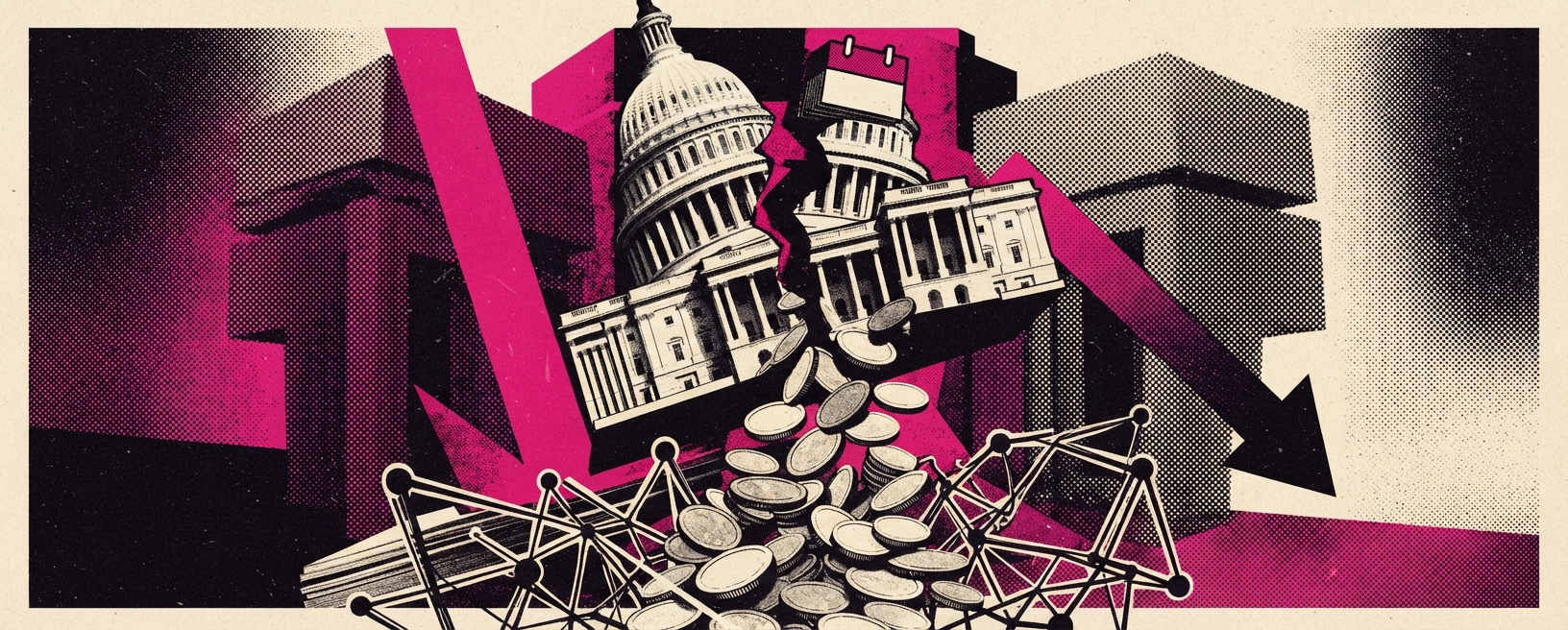
On July 14, 2026, the U.S. Department of the Treasury significantly increased financial pressure on Tehran by freezing $131 million in cryptocurrency linked to Iranian state entities. Confirmed by Treasury Secretary Scott Bessent, this move marks a significant milestone in 'Operation Economic Fury,' bringing the total amount of Iran-linked digital assets seized or frozen through the campaign to nearly $1 billion.
On Tuesday, July 14, 2026, the U.S. Treasury's Office of Foreign Assets Control (OFAC) added wallet addresses linked to the Central Bank of Iran and militant groups to its sanctions list. The assets frozen in this action amount to $131 million in Tether (USDT) on the Tron network. Secretary Bessent officially confirmed the freeze order amid rising tensions in the Middle East, reaffirming the commitment to blocking Iran's illicit financial networks.
In accordance with OFAC sanctions, Tether immediately locked four specific wallets on the Tron network, a result of close cooperation with law enforcement agencies.
Tether, the issuer of the centralized stablecoin, performed the technical freeze at the request of OFAC. The assets were held in four separate wallets operating on the Tron blockchain, and their connection to the Islamic Revolutionary Guard Corps (IRGC), Iran's elite military force, was revealed through on-chain tracking by blockchain analytics firm Chainalysis. Tether has previously assisted law enforcement in freezing Iran-linked assets, and this action represents a significant scale among them.
Operation Economic Fury and Strategic Background
"Operation Economic Fury," which began in February 2025, is a multi-faceted financial offensive aimed at cutting off funding for Iran's nuclear program and support for terrorism. The U.S. Treasury Department has sanctioned more than 1,000 individuals, vessels, and aircraft to date, and recently expanded the scope of sanctions to include Chinese refineries and shipping companies handling Iranian crude oil. This July's action is an extension of this broad campaign and aims to fundamentally block digital assets from being used as a means for Iran to evade sanctions.
- April 24, 2026: $344 million USDT freeze within the Tron network
- May 29, 2026: Announcement of $1 billion in cumulative seizures of Iran-linked cryptocurrency
- July 14, 2026: Additional wallet freeze of $131 million
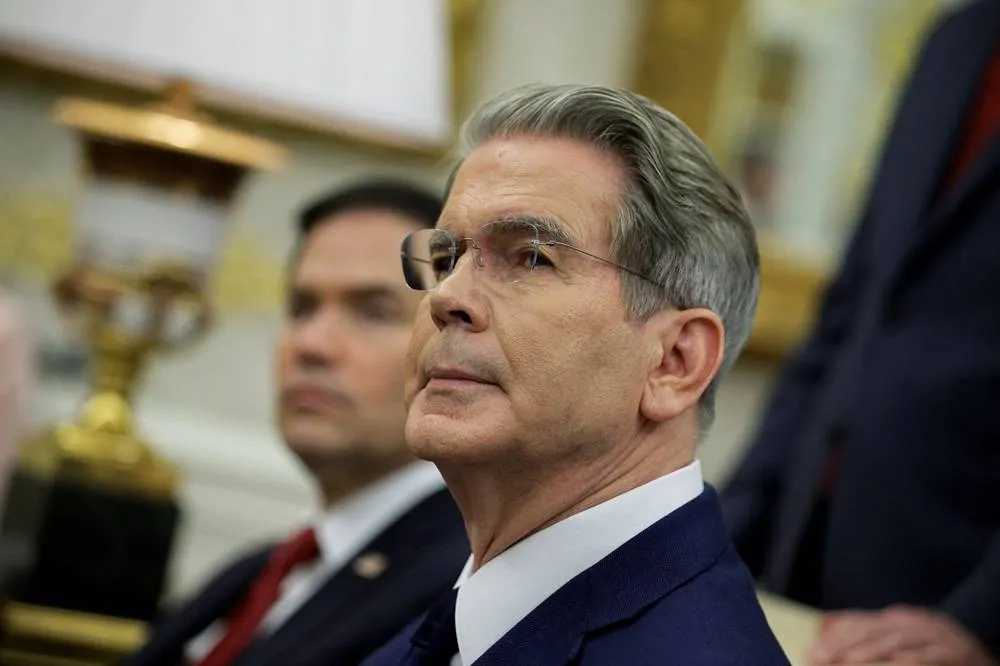
This sanctions announcement was timed to coincide with high-level diplomatic talks held in Washington, D.C. On July 14, 2026, Secretary of State Marco Rubio and Treasury Secretary Scott Bessent attended a U.S.-Iraq bilateral meeting at the White House Oval Office to discuss measures to curb Iran's influence in the Middle East. The U.S. government is using financial sanctions as a key tool for diplomatic pressure as military tensions rise.
The cryptocurrency market is reacting sensitively to the move toward tighter regulation. Some analysts warned that Bitcoin prices could fall below $70,000 as geopolitical instability and regulatory pressure overlap. In fact, risk-off sentiment toward risky assets is strengthening in the market, and the news of large-scale asset freezes related to Iran served as a reminder of regulatory risks to investors.
Conversely, large institutional investors like BlackRock are continuously pursuing the integration of institutional finance and cryptocurrency. BlackRock is expanding its product pipeline with a vision to tokenize Treasury funds, iShares ETFs, and even the private equity market. This suggests that, separate from the government's strict enforcement of sanctions, institutional demand for digital asset infrastructure with guaranteed transparency remains.
The cryptocurrency industry anticipates that regulatory oversight of stablecoins will become even stricter in the future. In response, multi-chain clearing platforms like Glacis Labs' ZeroDelta are moving to adapt to the regulatory compliance environment by expanding into tokenized assets and foreign exchange trading. As the U.S. government's control over digital assets strengthens, technical responses from the industry are expected to follow.
In conclusion, this $131 million freeze proves that the U.S. has the capability to track and block illegal cross-border fund flows through cryptocurrency in real-time. As "Operation Economic Fury" accelerates, financial networks linked to Iran are expected to shrink further, which is projected to have a long-term impact on the regulatory landscape of the global cryptocurrency market.
| Date | Action Type | Amount (USD) | Primary Asset/Network |
|---|---|---|---|
| April 24, 2026 | Wallet Freeze | $344 Million | USDT / Tron |
| May 29, 2026 | Cumulative Seizures | $1 Billion | Various Crypto |
| July 14, 2026 | Wallet Freeze | $131 Million | USDT / Tron |
A summary of significant freezes and seizures conducted by the US Treasury in 2026.


This content is for information and commentary only and is not investment advice.
Join the reader conversation
Read reactions to this article and leave your own note.