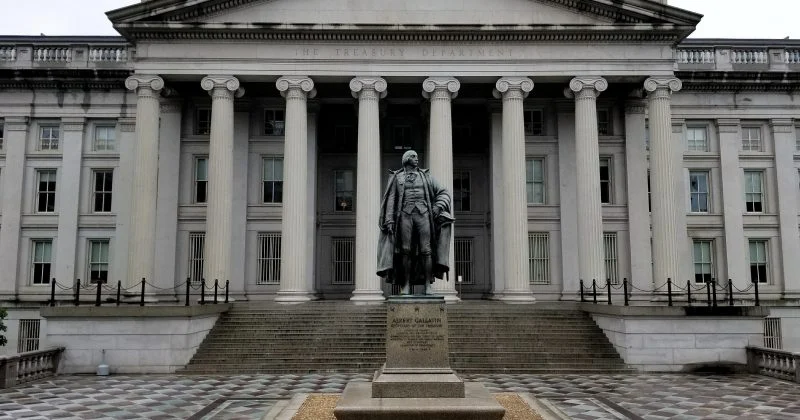
US and UK Unveil 10 Key Roadmaps for Digital Asset Market Integration: Accelerating Regulatory Cooperation on Stablecoins and Tokenization
The US Treasury and the UK Treasury announced a 10-point roadmap on July 14, 2026, to synchronize regulatory frameworks for stablecoins and asset tokenization. This move is part of a strategic collaboration to enhance digital asset liquidity between the two countries and mitigate systemic risks.
On July 14, 2026, the US Treasury and the UK Treasury unveiled a landmark 10-point roadmap to synchronize oversight of tokenized assets and stablecoins. This joint initiative, derived from the 'Transatlantic Task Force for Future Markets (TTMF)', indicates that the world's two most influential financial hubs have formed a united front to facilitate cross-border liquidity of digital assets while mitigating systemic risks.
Each government plans to tailor requirements to seek similar outcomes for similar risks and activities, promoting financial stability without distorting markets or hindering cross-border competition.
These recommendations were developed through multifaceted discussions within the TTMF, and although they are currently non-binding guidelines without legal force, they clearly present the strategic direction shared by the US and the UK. Through this, both governments have shown their commitment to supporting digital financial innovation and leading the establishment of global standards.
Key Contents of the 10-Point Roadmap for Tokenized Assets
The core objective of the roadmap is to align each country's regulatory requirements based on the 'same risk, same regulation' principle. This focuses on preventing market distortions aimed at regulatory arbitrage in specific jurisdictions and removing obstacles to cross-border capital flows between New York and London. Each government aims to derive mutually compatible regulatory outcomes while considering the specificities of their own markets.
- Recommendation for 100% reserve backing and full collateralization of stablecoins
- Strengthening interoperability of cross-border tokenized asset markets
- Tailored adjustment of regulatory requirements to prevent market distortion
- Establishing transparency and disclosure standards for the digital asset market
In particular, the two countries presented very strict standards for stablecoin issuance. The joint statement specified that stablecoins must be fully backed by assets and emphasized that this alignment will be a key driver supporting the growth of the cross-border stablecoin market. This is in line with the trend of strengthening regulations on non-collateralized stablecoins, such as algorithmic ones.
This roadmap is closely linked to the existing legal frameworks of both countries. In the case of the United States, it aligns with the "Generating Effective New Initiatives and Understanding Stablecoins Act (GENIUS Act)," scheduled to take effect in January 2027. In the case of the United Kingdom, it forms a complementary relationship with the Financial Conduct Authority's (FCA) recently announced policy statements on stablecoin issuance (PS26/10) and market abuse prevention (PS26/9). These domestic legal efforts are expected to create stronger regulatory synergy when combined with international cooperation.
Industry Reactions and Technical Integration Challenges
The financial industry is largely welcoming the news of this regulatory cooperation. Major financial groups, such as the Securities Industry and Financial Markets Association (SIFMA) in the U.S. and TheCityUK in the U.K., have consistently argued for smarter and more consistent regulation to strengthen economic ties between London and New York and to drive job creation and growth. They evaluated that this roadmap will contribute to increasing investor confidence and reducing costs.
On the technical side, discussions on so-called "plumbing" work are deepening. According to an analysis by State Street, governance issues such as registry control, operational resilience, and Know Your Customer (KYC) controls—essential for institutional investors to integrate tokenized fund rails into existing frameworks—were addressed as major agendas of this cooperation. This is interpreted as an essential process for digital assets to settle into the mainstream financial system.
However, it is pointed out as a limitation that these recommendations do not have immediate legal effect. For now, they are merely non-binding guidelines containing the strategic will of both governments, and specific legislative and regulatory approval processes in each country must precede their actual application to the market. The full implementation of the GENIUS Act in January 2027 is expected to be an important watershed for the legalization of these recommendations within the United States.
In conclusion, this joint roadmap between the U.S. and the U.K. will serve as an important milestone in the institutionalization process of the digital asset market. As both countries reduce regulatory gaps and adopt a standardized approach, the utilization of digital assets in global financial markets is expected to increase further. This is also expected to have a significant impact on setting the regulatory direction for other countries in the future.



This content is for information and commentary only and is not investment advice.
Join the reader conversation
Read reactions to this article and leave your own note.