French Authorities Indict 88 Involved in Crypto 'Wrench Attacks,' Including Minors, as Physical Security Threats Surge
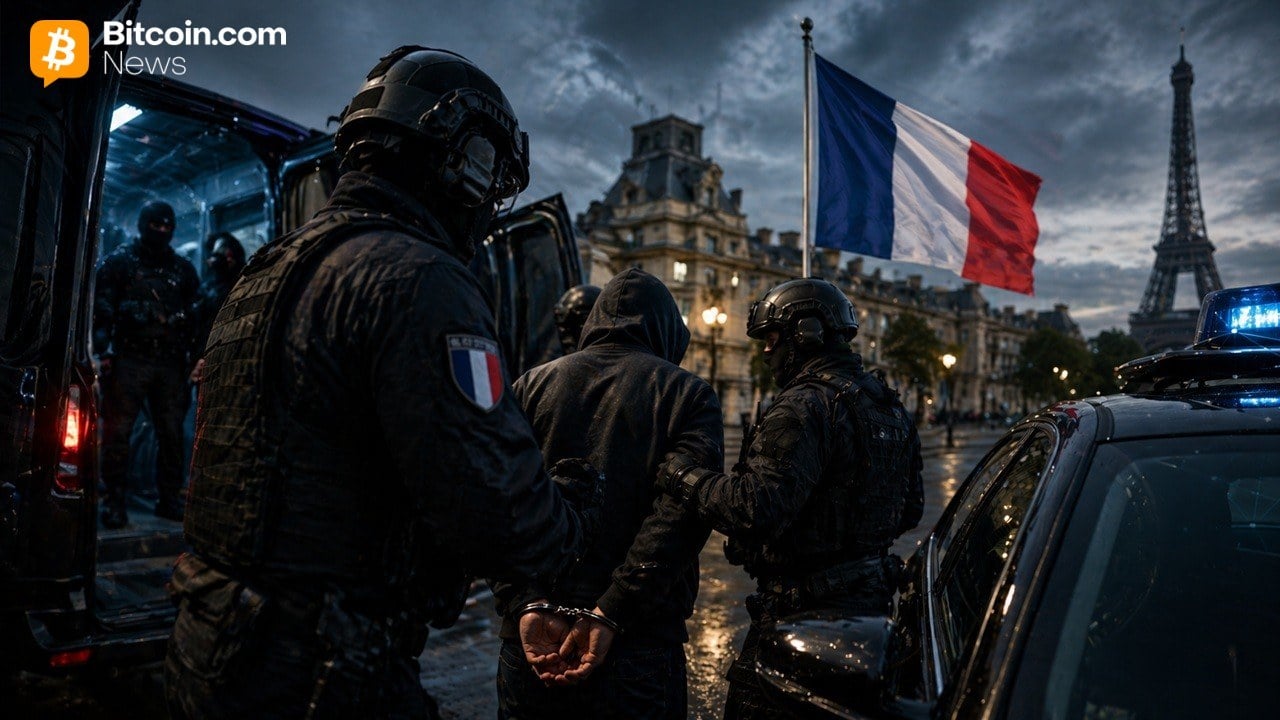
French prosecutors have indicted 88 individuals involved in 'wrench attacks'—kidnappings and violent incidents aimed at stealing cryptocurrency. In response to physical extortion crimes occurring once every 2.5 days in 2026, the French government has begun developing security measures.
French authorities have taken extensive judicial action in response to so-called 'wrench attacks,' where physical violence is used to extort cryptocurrency. The National Office for the Fight Against Organized Crime (Pnaco) announced on April 24, 2026, that it had indicted a total of 88 people in connection with a series of organized kidnapping and extortion cases.
More than 10 of those indicted were found to be minors, and 75 of the suspects are currently in pre-trial detention. This is interpreted as a strong response to the surging threat to public safety, with crypto-related physical extortion cases in France occurring on average once every 2.5 days since the beginning of 2026.
According to French prosecutors, the indictments were based on 12 individual cases involving charges of organized kidnapping and extortion. Vanessa Perrée, Chief Prosecutor at Pnaco, emphasized that these incidents were not merely accidental crimes but were carried out by highly organized criminal groups, expressing a commitment to strict judicial punishment.
Cryptocurrency kidnapping is a rapidly evolving criminal phenomenon. Criminals are exploiting the immediate transferability of digital assets to inflict extreme physical violence on victims.
A 'wrench attack' refers to a criminal method of forcing a victim to reveal private keys or wallet access by inflicting physical harm or threats. As of 2026, France is considered the region in Europe where these types of crimes occur most frequently, with over 41 related cases already officially reported this year alone.
Recruitment of Minors and Organized Criminal Patterns
Authorities are particularly concerned that criminal organizations are actively recruiting minors for physical extortion crimes targeting high-value cryptocurrencies. Prosecutors noted that many of those indicted, despite their young age, participated in brutal criminal acts such as threats using weapons and confinement, drawing attention to the demographic shift.
- Number of people indicted as of April 2026: 88 total
- Number of people in pre-trial detention: 75
- Number of minors indicted: 10 or more
- Frequency of occurrence in 2026: Average of 1 case every 2.5 days
In a specific case on April 20, 2026, armed intruders broke into a home in France, took the family hostage, and extorted approximately 700,000 euros worth of cryptocurrency. The victims were forced to transfer the assets under the threat of firearms, and prosecutors stated that the extreme violence during this process left the victims with severe psychological trauma.
According to statistics, crypto-related kidnapping cases in France have surged from 18 in 2024 to 47 so far in 2026. This steep upward curve suggests that crimes targeting cryptocurrency investors are not a temporary phenomenon but are becoming entrenched as a systematic criminal industry.
Government Response and Establishment of Industry Security Standards
As the security situation worsened, the French Ministry of the Interior began developing emergency prevention measures. Interior Minister Bruno Retailleau announced that he would convene a special meeting with leaders of the cryptocurrency industry to discuss new security protocols and personal protection guidelines for high-net-worth individuals.
This situation demonstrates that the paradigm of cryptocurrency security must expand beyond the digital realm to include physical safety. Experts advise that for investors, adhering to physical security rules—such as ensuring that their asset holdings are not exposed to the outside world, in addition to managing private keys—will be key to protecting assets in the future.


This content is for information and commentary only and is not investment advice.
Join the reader conversation
Read reactions to this article and leave your own note.