[ND Analysis] Hacking Trust in Dating Apps: The Technical Reality of How Crypto Scammers Pass 'Identity Verification'
As of April 2026, identity verification marks on dating apps no longer guarantee safety. We analyze the reality of 'pig butchering' schemes that use deepfake technology and synthetic identity tools from the dark web to breach security networks and lead to cryptocurrency fraud.
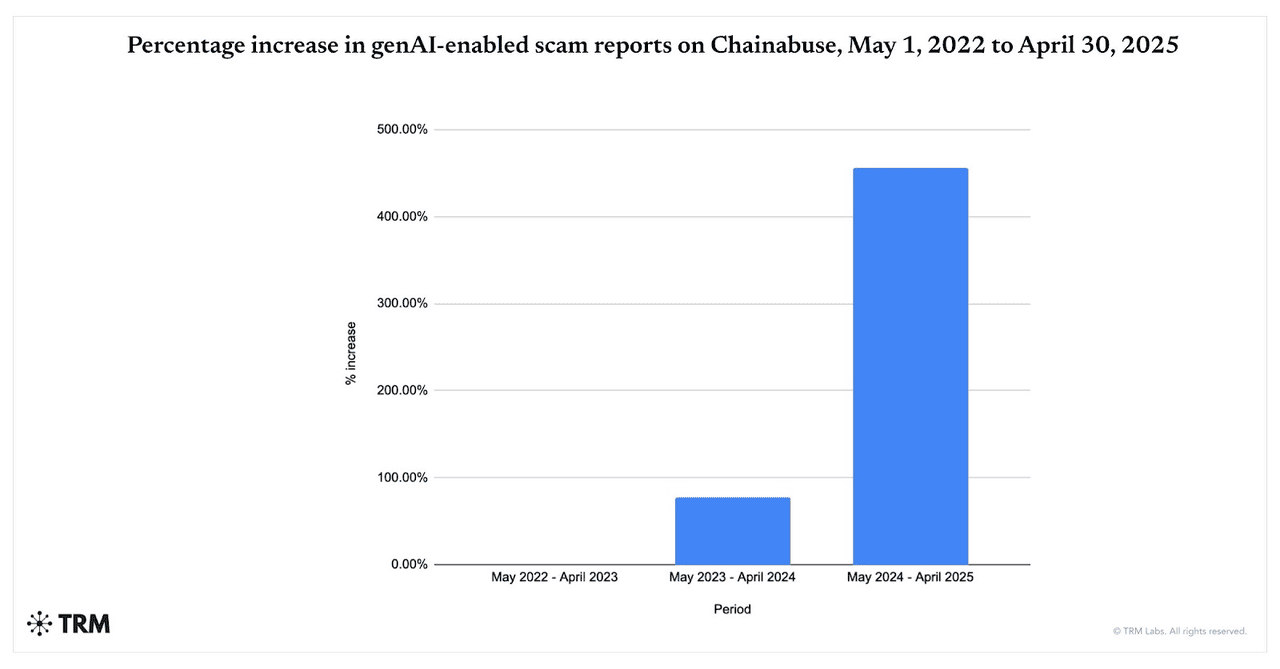
In the digital dating landscape of April 2026, the 'blue checkmark'—once a symbol of trust—has now devolved into a primary tool for sophisticated cryptocurrency scammers. As deepfake injection attacks targeting biometric systems have surged by 783%, the 'Verified' status on popular dating platforms is becoming a mask for synthetic identities designed for high-value financial fraud.
The era where facial data alone can prove identity has come to an end. The explosive growth in deepfake injection attacks demonstrates that existing single-factor biometric authentication systems have reached their limits.
Scammers use the 'Verified' badge to lower victims' guard before luring them to external messengers like WhatsApp or Telegram, where regulations are less stringent. This platform migration is used to evade security monitoring within dating apps and build psychological intimacy for full-scale cryptocurrency investment solicitations.
The Combination of Synthetic Identities and AI-Generated Documents
Scammers create 'Synthetic Identities' by combining real and manipulated data to pass initial automated identity analysis systems. Fake selfies, passports, and driver's licenses generated through AI technology are also used to neutralize Know Your Customer (KYC) procedures at cryptocurrency exchanges and open mule accounts for money laundering.
- Bypassing automated verification using AI-generated selfies and IDs
- Building synthetic identities by mixing leaked personal information with fake data
- Manipulating real-time video calls through deepfake masking technology
According to recent security industry reports, deepfake injection attacks have increased by a record 783% year-over-year. Scammers are using 'Face-swap' selfie kits and deepfake masking tools to mimic subtle biometric signals such as blinking, head movements, and light reflections, neutralizing standard liveness detection systems.
The dark web supply chain is also supporting these crimes. 'Russian Market' serves as a major hub for distributing fresh datasets and stolen credentials in bulk, while 'Torzon Market' is expanding the criminal ecosystem by selling over 11,600 hacking tools and premium fraudulent accounts.
From Matching to the Market: The Execution of the Scam
The process after matching on a dating app follows the typical 'Pig Butchering' method. Once trust is established, the scammer requests funds under the guise of a sudden medical emergency or by introducing a fake cryptocurrency investment platform. In this process, victims, reassured by the verified profile, end up sending irreversible assets through cryptocurrency or wire transfer services.
Current security mechanisms are introducing AI-based anomaly detection technology, but they are insufficient to keep up with the pace of scammers' technological evolution. Experts warn that facial recognition alone is no longer sufficient proof and emphasize the urgent need for hardware-level protection to prevent camera feeds from being overridden by other apps or virtual environments, as well as the strengthening of multi-factor authentication.
Romance scams in 2026 have transformed beyond simple emotional extortion into corporate-style crimes equipped with sophisticated technical infrastructure. Rather than blindly trusting a partner's 'verification mark,' dating platform users should recognize solicitations for cryptocurrency investment or sudden requests to move to external apps as strong red flags.
This content is for information and commentary only and is not investment advice.
Join the reader conversation
Read reactions to this article and leave your own note.