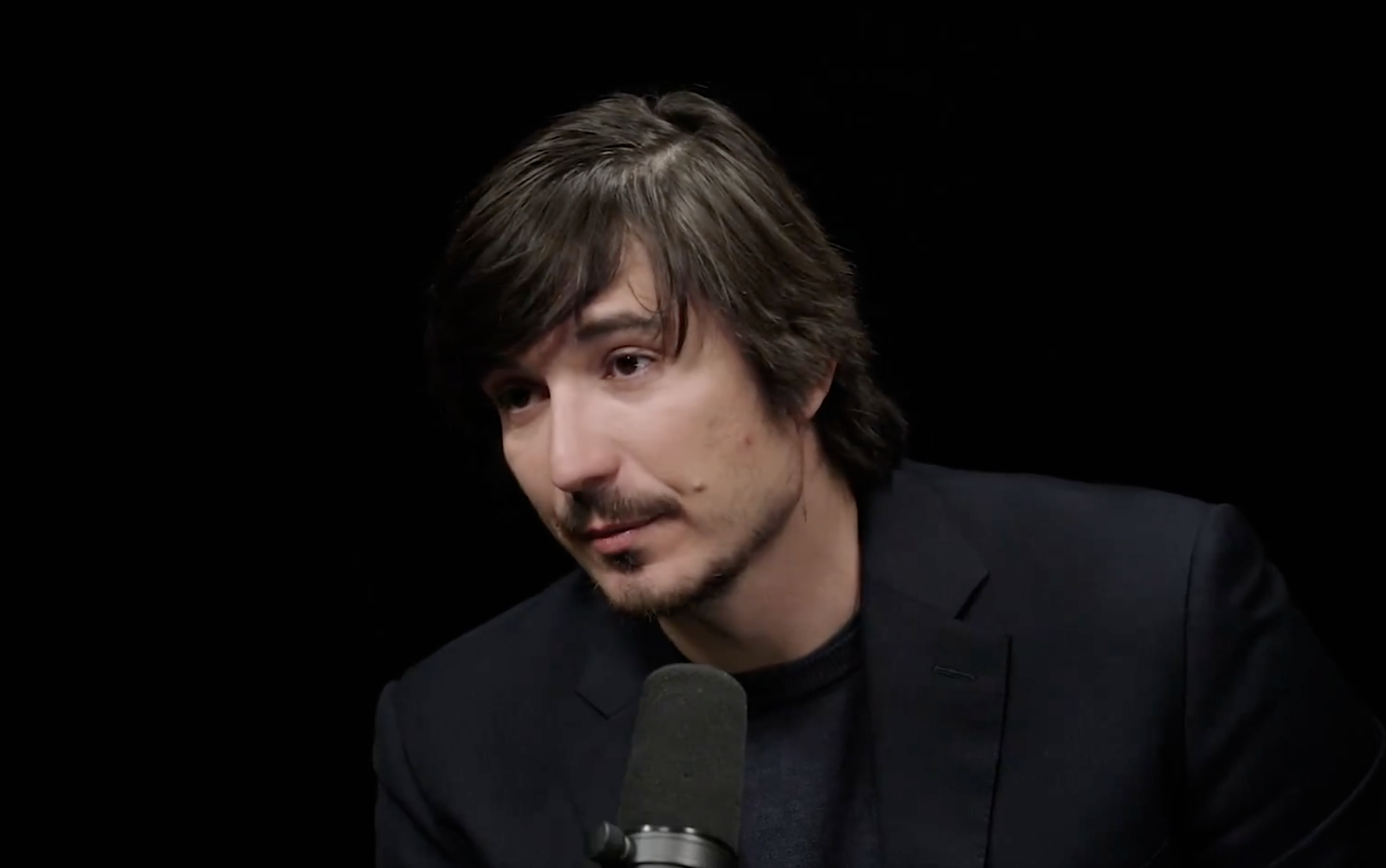
Robinhood CEO Vlad Tenev's X Account Hacked... Exploited to Promote 'Vladhood' Scam
On July 23, 2026, Robinhood CEO Vlad Tenev's X account was hacked and used to promote the fraudulent meme coin 'Vladhood.' This incident occurred amidst the growth of the Robinhood chain, which is driven by high-risk meme coins, raising concerns about security and investor protection.
On July 23, 2026, it was confirmed that the X (formerly Twitter) account of Vlad Tenev, CEO of the fintech firm Robinhood, had been hacked. Hackers hijacked Tenev's account to promote a memecoin named 'Vladhood,' attempting to lure retail investors. This incident occurred as Robinhood expands its reach into decentralized finance (DeFi), once again highlighting security vulnerabilities where social media can be used as a conduit for financial exploitation.
The unauthorized posts published on the hacked account encouraged the purchase of Vladhood tokens, providing a specific contract address. Security experts and the cryptocurrency community identified the posts as a fraudulent project immediately after they appeared and issued urgent warnings. The attack, which attempted to gain the trust of retail investors by leveraging Tenev's credibility, was prevented from spreading further thanks to the community's swift response.
This security incident is expected to be recorded as a concrete example of a breach in Vlad Tenev's personal digital defenses. The unauthorized posts mimicked Tenev's usual tone, urging investors not to miss out on a new opportunity. However, the token had already been flagged as a 'scam' by security analysis tools, showing signs of a typical 'rug pull' scheme.
The posts related to the 'Vladhood' token published from Vlad Tenev's account followed typical scam tactics and were immediately identified as a fraudulent project by the community and security analysts.
An anatomical analysis of the Vladhood token reveals characteristics of a malicious contract designed to make it difficult for investors to withdraw funds after depositing them. The hackers exploited the psychological trust of Tenev's followers to lure them into clicking on unverified links. This method is among the most sophisticated forms of social media-based phishing attacks, and its severity is particularly high given that it directly targeted the head of a financial institution.
The Growth of the Robinhood Chain and the Flip Side of the Meme Coin Craze
According to data from Entropy Advisors, the cumulative decentralized exchange (DEX) trading volume on the Robinhood chain has reached approximately $9 billion. A significant portion of this volume is driven by high-risk meme coins, which provides context as to why scam attackers targeted Tenev's account. As meme coin trading becomes more active within the Robinhood ecosystem, the CEO's personal account has effectively become a highly valuable promotional tool for scammers.
- In July 2026, Robinhood launched the '530A Trump Account' service, where the government deposits $1,000 for children born between 2025 and 2028.
- CEO Vlad Tenev has recently focused on enhancing Robinhood's credibility by emphasizing the importance of regulated financial products in media interviews.
- Despite these efforts to expand into institutional finance, this X account hacking incident has starkly contrasted with the chaotic side of the unregulated cryptocurrency market.
Tenev, who was reported to hold a net worth of approximately $5.9 billion as of July 21, 2026, functions as more than just an executive; he is a brand. In the cryptocurrency era, a CEO's social media account is a powerful tool that can have an immediate impact on the market, and hackers use it to lend fake legitimacy to fraudulent projects. This incident has reaffirmed the fact that a failure in digital security for a high-ranking executive is directly linked not only to the company's reputation but also to the safety of retail investors' assets.
The reaction from the market and the community was cold and full of vigilance. Many users recognized that Tenev's account had been hacked and shared posts warning other investors. Even if it is a separate issue from the security system of the Robinhood platform itself, it seems difficult to avoid criticism that the CEO's social media management was negligent. Especially since the incident occurred at a time when Robinhood is increasing its proportion of cryptocurrency trading, restoring investor trust has emerged as an urgent task.
Future Outlook and the Need for Enhanced Security
Robinhood is expected to address the situation and strengthen security measures through its official communication channel, 'Robinhood Comms,' regarding this incident. Investors should develop the habit of verifying facts through official channels rather than blindly trusting investment information coming from individual executives' accounts. This hacking incident suggests how important user caution is, not only in technical security but also in information consumption via social media.
In conclusion, the hacking of Vlad Tenev's X account symbolizes the multi-layered security threats faced by fintech companies, going beyond a simple personal issue. It shows that Robinhood is facing a dual challenge: solidifying its position within the institutional sphere through government-linked products like the 530A account, while simultaneously managing the volatility and risks of the cryptocurrency market. How Robinhood handles this situation and how it reorganizes its executive digital security protocols will be a key point to watch in the market moving forward.


This content is for information and commentary only and is not investment advice.
Join the reader conversation
Read reactions to this article and leave your own note.