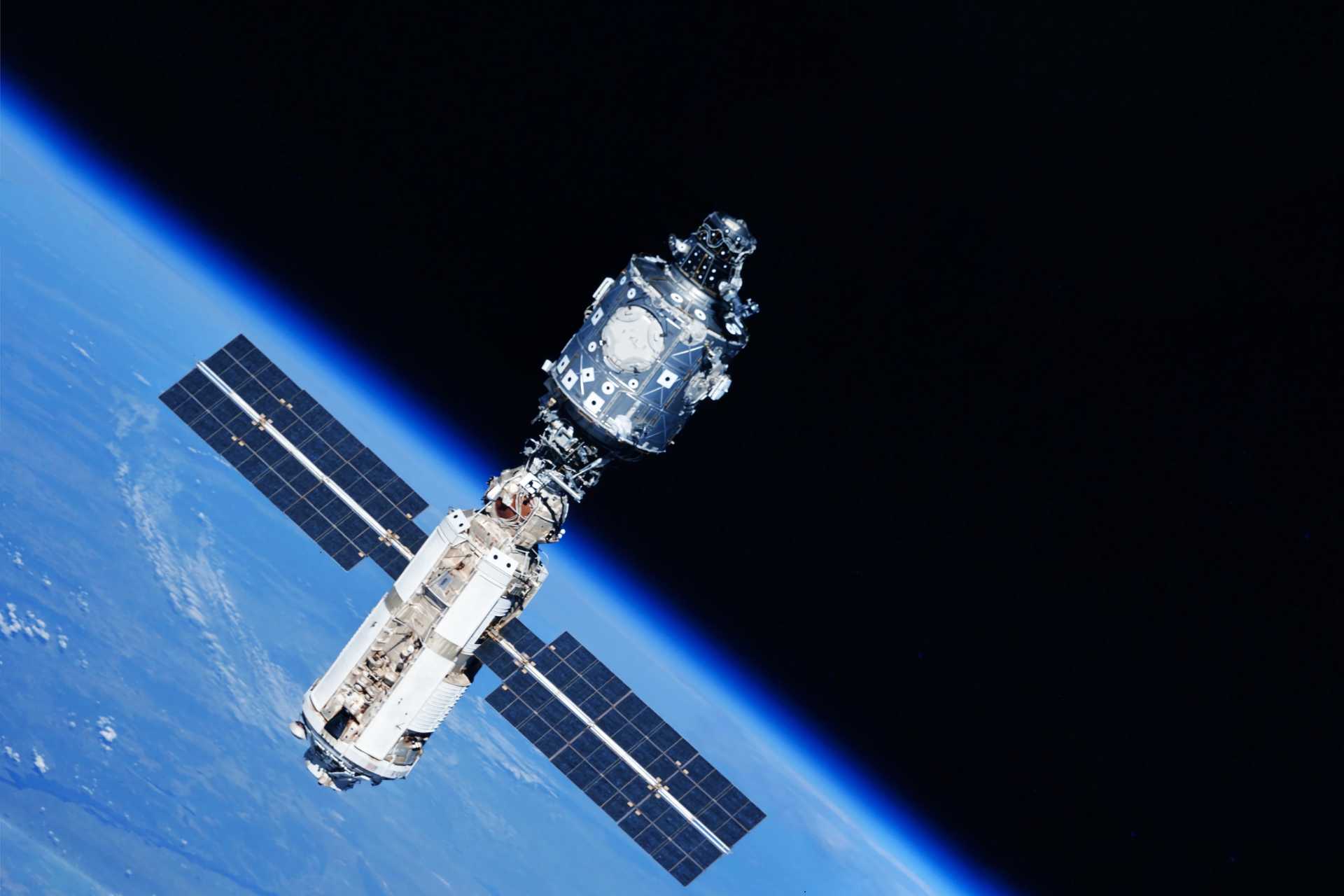
Meta Goes Beyond Terrestrial Grid Limits... Signs 1GW Space Solar Contract with Overview Energy
Meta Platforms has opened a new horizon in energy procurement by signing a capacity reservation agreement for up to 1 gigawatt of space-based solar power with Overview Energy to meet the massive power demands of its AI infrastructure.
On April 27, 2026, Meta Platforms, the parent company of Facebook, chose space as the future energy source to power its massive AI infrastructure. Meta announced it has signed a capacity reservation agreement with Overview Energy, a space-based solar power startup, for a power supply of up to 1 gigawatt (GW). This decision is interpreted as a strategic move to solve terrestrial land-use restrictions and grid congestion issues that hinder the development of next-generation artificial intelligence.
Power requirements for modern AI data centers are increasing exponentially, and existing terrestrial renewable energy is showing various limitations in meeting them. Solar and wind power have intermittency issues depending on weather conditions, and securing sites and grid connection procedures for new power plants takes several years or more. To bypass these terrestrial infrastructure bottlenecks, Meta focused on space-based solar power (SBSP) technology, which allows for 24-hour continuous power generation.
This contract takes the form of a "capacity reservation" where Meta preempts the production capacity of the solar power system that Overview Energy will build in orbit. Once Overview Energy's satellite-mounted panels are fully operational, Meta will receive priority supply of the produced power. This demonstrates Meta's commitment to gaining a competitive edge by securing a stable energy source in the competition for AI computing resources expected to last for several years.
This system is designed to dramatically increase the output of existing assets without the need for new land, fuel, or lengthy grid connection procedures by extending the generation hours of solar facilities.
Overview Energy is developing technology to collect solar energy by deploying satellites in geostationary orbit (GEO) and transmitting it to the ground via near-infrared broadband lasers. Satellites in orbit can receive direct sunlight nearly 24 hours a day, except for short periods when they are obscured by Earth's shadow, allowing them to produce energy with much higher efficiency than on the ground. The collected energy is delivered to existing ground-based solar power facilities in the form of laser beams and converted into electricity.
Mechanism of Near-Infrared Laser Transmission and 24/7 Energy Supply
The technical core lies in the laser transmission method that beams energy from space to the ground. According to Overview Energy's explanation, this laser beam is invisible to the naked eye and has "passive safety," being harmless to the human body as its intensity is lower than direct sunlight. This beam is absorbed by ground receiving facilities and immediately fed into the existing power grid, fundamentally solving the intermittency problem by allowing ground solar power plants to produce power even at night or in cloudy weather.
- 2028: Scheduled launch of the first orbital demonstration satellite and technology verification
- 2030: Goal to start commercial power supply and deploy to Meta data centers
- Up to 1GW: Total power capacity reserved by Meta, sufficient to power a large-scale data center complex
However, numerous legal and regulatory challenges remain before such innovative attempts. Beaming energy from space to the ground is subject to international space law and requires strict management by agencies such as the Federal Communications Commission (FCC) and the Federal Energy Regulatory Commission (FERC). In particular, precise review of the impact that orbital energy transmission may have on other satellite communications or aviation safety is expected to be a key factor in the project's progress.
Meta's investment is evaluated as part of a larger trend to expand technical infrastructure into Earth's orbit beyond simply securing power. Startups are already emerging in the industry to build orbital data centers equipped with NVIDIA-based servers, and attempts to utilize the cooling efficiency and solar power potential of outer space are continuing. Meta is presenting a pioneering model to overcome the physical limits of the terrestrial power grid by extending the energy supply chain into space.
Ultimately, the success of the project depends on the results of the initial orbital demonstration scheduled for 2028. If Overview Energy's satellite system works as planned and succeeds in stable laser transmission, it will be a turning point that changes the energy paradigm of the global data center industry. Despite technical uncertainties, Meta has made a bold bet on the uncharted territory of space for the sustainable growth of the AI era.
As of 2026, the energy procurement war among Big Tech companies, including Meta, is spreading beyond the ground and into space. If commercialization is realized in 2030, space-based solar power is expected to be a powerful tool that can solve chronic problems not only for AI data centers but also for the global power supply chain. The industry's attention is focused on how Meta's move will redefine the standards of the future energy industry.


This content is for information and commentary only and is not investment advice.
Join the reader conversation
Read reactions to this article and leave your own note.