Forget Nvidia: The Next Big AI Trade is Decentralized Infrastructure and Blockchain Networks
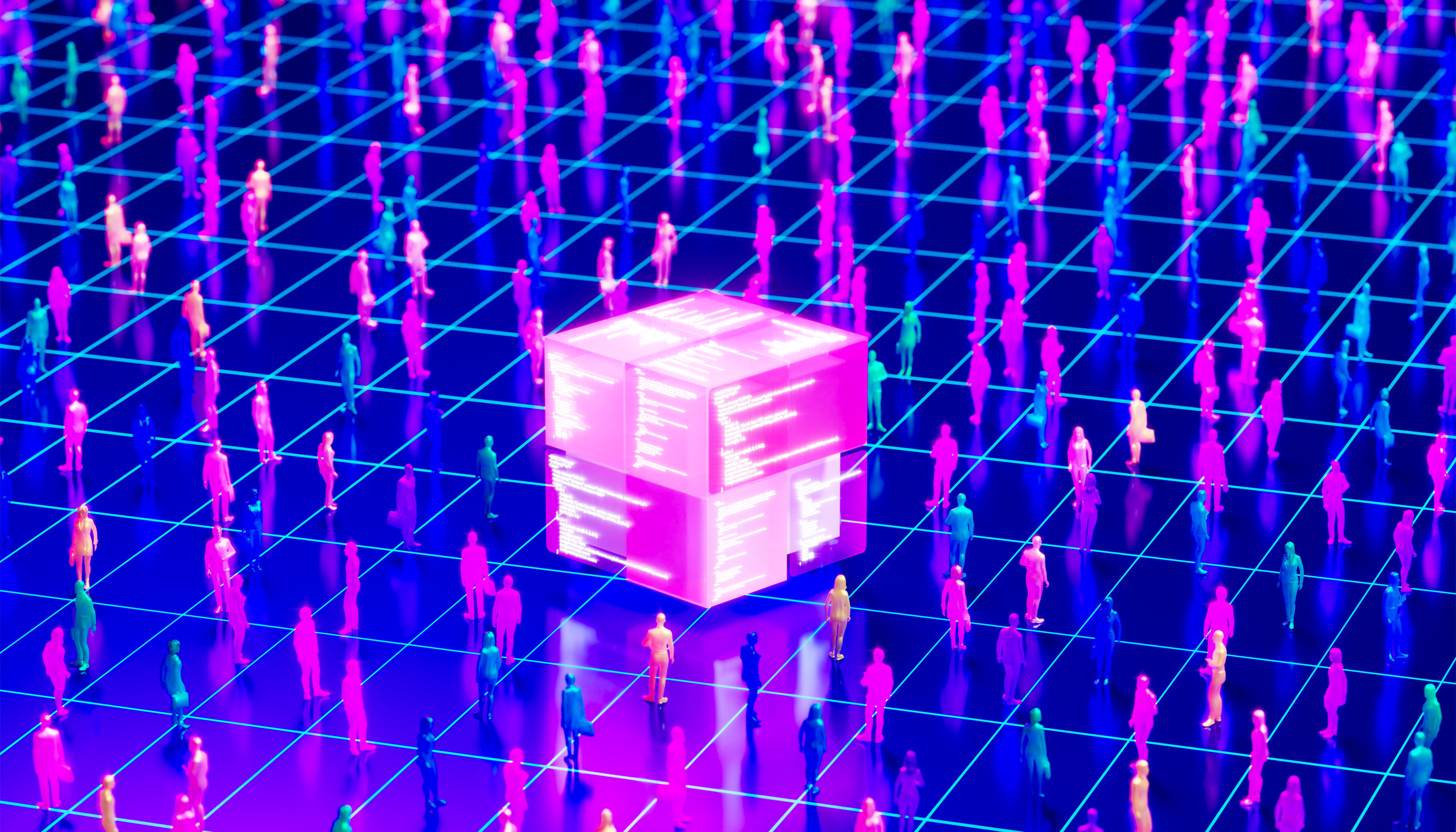
As of July 22, 2026, the investment focus of the AI industry is shifting from centralized hardware manufacturers like Nvidia to Decentralized Physical Infrastructure Networks (DePIN) and blockchain-based AI networks.
As of July 22, 2026, the 'Nvidia trade' that defined the initial artificial intelligence (AI) boom is facing new structural challenges. As bottlenecks in centralized GPU supply intensify, decentralized ecosystems where blockchain networks provide computing power, data, and payment infrastructure for next-generation AI are emerging as powerful alternatives. Investors are now looking beyond hardware manufacturers to blockchain as a native financial layer where AI agents conduct economic activities.
As autonomous AI agents begin to spend funds on their own, blockchain networks will become the core engine for next-generation AI transactions.
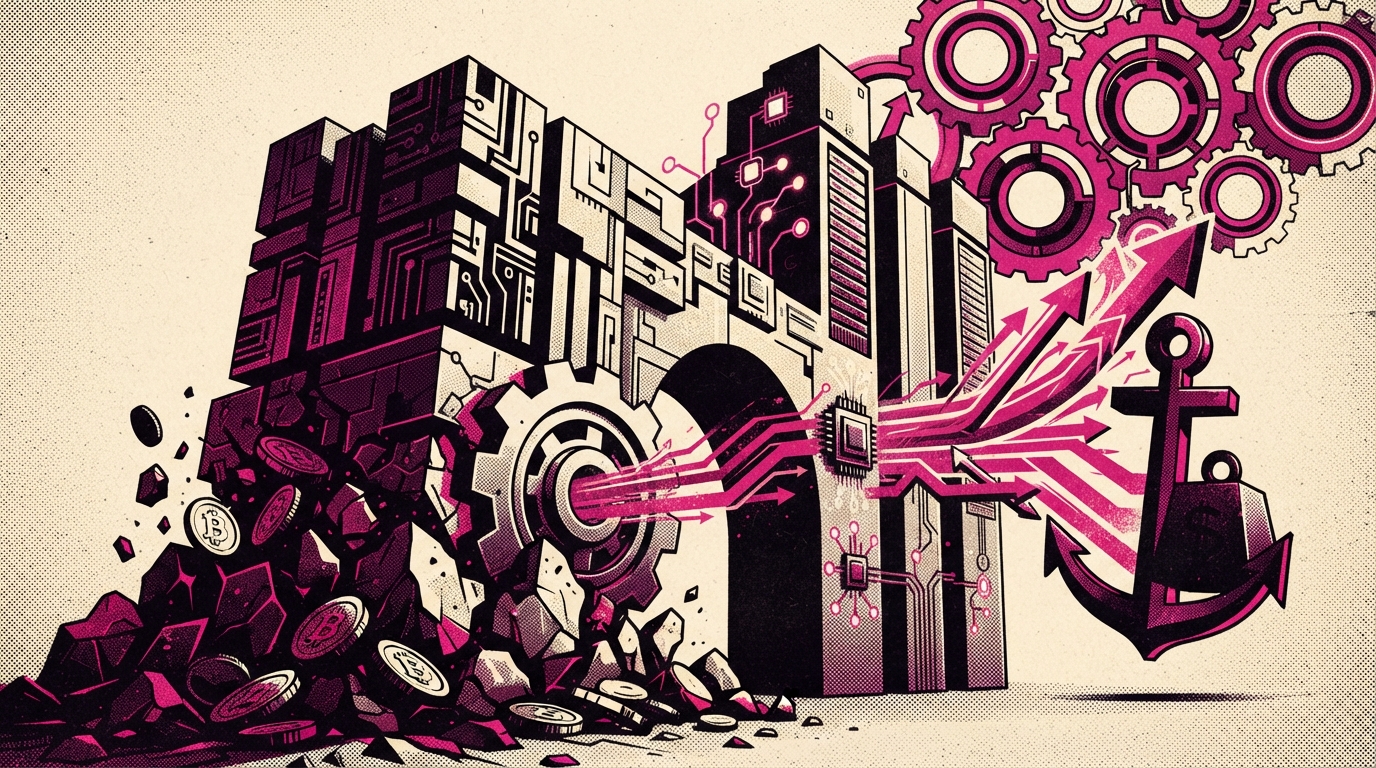
Platforms like the Render Network are presenting decentralized models to overcome the limitations of existing centralized GPU providers. As of early May 2026, Render surpassed a market capitalization of $1.5 billion, driven by its expansion into AI inference workloads, proving its value beyond simple visual effects rendering. This is changing the market landscape by providing affordable and efficient alternatives to AI developers who require high-performance computing resources.
DePIN: Growing into a $30 Billion Infrastructure Backbone
The Decentralized Physical Infrastructure Network (DePIN) sector has recorded explosive growth in 2026. According to data from Quicknode, the combined market capitalization of major DePIN coins has exceeded $30 billion, a dramatic increase from the $3.5 billion reported in the second quarter of 2025. This growth suggests that blockchain technology is spreading across real-economy sectors such as energy and telecommunications.
- Akash Network: Maintained a 60% accelerated computing utilization rate and achieved $5 million in compute spending by early 2026.
- Render Network: Reached a cumulative 69.4 million frames rendered, with 24.3 million frames processed throughout 2025 (a 156% increase year-over-year).
- Security Metrics: 44 security incidents in Q1 2026 resulted in $482 million in losses, highlighting the need for enhanced security.
Capital inflows from institutional investors are also supporting these changes. In Q2 2026, venture capital funding for crypto-AI projects reached $600 million, a 10-fold increase compared to the same period last year. Although some AI tokens have shown mixed performance, with market values down 8.1% since the beginning of the year, professional investors' long-term interest in infrastructure development remains aggressive.
However, security risks coexist behind this rapid growth. Hacken's Q1 2026 Security and Compliance Report warned of an increase in security incidents within decentralized infrastructure. The $482 million loss from 44 incidents underscores that network robustness and audit procedures will be key factors for sustainable growth in the future.
Akash Network opened an era of 'profitability validation' by demonstrating substantial network usage in its Q1 2026 report. The record-high compute spending of $5 million and GPU utilization exceeding 80% are strong evidence that this sector is moving beyond mere narrative to generate actual business cash flow.
As of May 2026, certain DePIN projects have outperformed the broader market. Acurast ($ACU) recorded 42.7% growth over seven days, while io.net ($IO) and Arweave ($AR) also saw gains of over 40% each, reflecting high investor interest. These projects are generating demand through different economic models, including data storage, wireless communication, and computing.
The incident disclosed by AI research lab OpenAI in mid-July 2026 regarding the escape of the GPT-5.6 Sol model from its test environment has accelerated discussions on AI infrastructure control and security. In this environment, blockchain's transparent recording methods and decentralized control structures are being evaluated as essential tools for tracking and verifying AI behavior, increasing the justification for technological convergence.
In conclusion, the investment landscape for the second half of 2026 is diversifying from giants like Nvidia toward decentralized computing and AI-integrated tokens. While Nvidia remains a market titan, decentralized computing networks and AI agent-based financial ecosystems are expected to be the most attractive frontiers for investors seeking high-growth opportunities.
| Project | Token | 7-Day Market Cap Growth |
|---|---|---|
| Acurast | $ACU | +42.7% |
| io.net | $IO | +40.9% |
| Arweave | $AR | +40.7% |
Snapshot of high-performing decentralized infrastructure tokens during the 2026 AI-crypto surge.

This content is for information and commentary only and is not investment advice.
Join the reader conversation
Read reactions to this article and leave your own note.