
[ND Analysis] Crypto Market Driven by Risk-On Surge: The Significance of Equity ETF Daily Inflows Surpassing $7.5 Billion
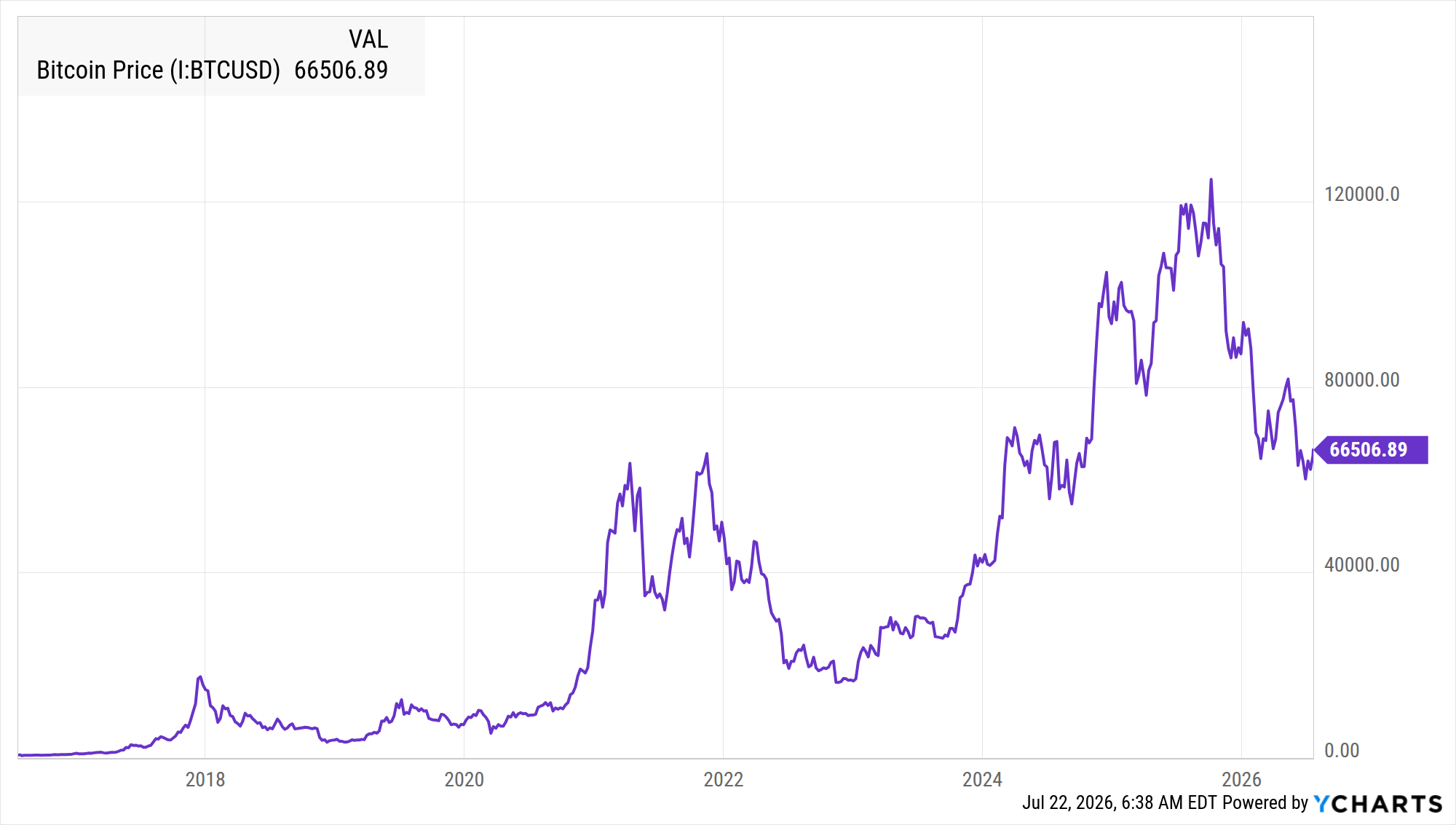
In late April 2026, global financial markets set an unprecedented record with $7.5 billion flowing into equity ETFs in a single day as risk appetite peaked. This liquidity injection is serving as a positive signal for the digital asset market, including Bitcoin.
As of April 27, 2026, global financial markets are witnessing a strong spread of investment sentiment toward risk assets. According to a Yahoo Finance report on April 26, daily inflows into equity ETFs reached a record $7.5 billion, changing the market landscape. This massive capital influx is fundamentally improving the outlook for the cryptocurrency market as investors move away from defensive positions to seek high-growth opportunities.
Digital assets are now emerging as direct beneficiaries of macroeconomic liquidity expansion, moving beyond mere speculative instruments. Market experts anticipate that this surge in liquidity will be a powerful driver supporting price increases for major cryptocurrencies, including Bitcoin and Ethereum.
The daily inflow rate of $7.5 billion recorded at the end of April exceeds market experts' expectations. This is an extension of the strong momentum seen since the beginning of the month, including $39.13 billion in net ETF issuance reported for the week ending April 15, 2026. According to the Investment Company Institute (ICI), the ETF market showed unrivaled growth, contrasting with $18.17 billion in outflows from long-term mutual funds during the same period.
The current rate of inflows is a clear indicator of how confident institutional investors are in the market's potential for further gains, which is accelerating the transfer of funds into high-risk asset classes like cryptocurrency.
This 'Risk-On' environment is not limited to the stock market but is stimulating optimism in the cryptocurrency market. Investors are reshuffling their portfolios away from traditional safe-haven assets toward asset classes that offer higher potential returns, and the massive liquidity generated in this process is solidifying the downside support for the digital asset ecosystem.
Macroeconomic Catalysts: Fed Policy and Inflation Outlook
The Federal Reserve's monetary policy and inflation trends are key drivers that created this environment. While inflation currently sits at 2.8%, optimism prevails that core inflation will gradually ease toward the 2% target in the second half of 2026. According to an analysis by the Federal Reserve Bank of St. Louis, real GDP growth and a stable labor market are supporting investment sentiment despite uncertainties in the economic outlook.
- Inflation maintained at 2.8% and expected to approach 2% target in H2 2026
- Stable labor market indicators with 4.3% unemployment rate
- Economic soft-landing scenario as real GDP approaches potential growth rate
- Increased preference for discretionary active equity ETFs among institutional investors
The surge in April 2026 is built on the record-breaking performance of 2025. In 2025, equity ETFs attracted over $1.14 trillion, breaking the 2024 record of $1.11 trillion. This long-term growth trend has led to the current daily record, suggesting a structural change in the market.
The explosive growth of equity ETFs is causing a liquidity spillover effect into the cryptocurrency market. In particular, trading volumes for crypto-related products such as the ProShares Bitcoin ETF (BITO) remain active, proving the correlation where the vitality of traditional asset markets extends to digital assets. Large-scale liquidity plays a role in mitigating volatility and increasing market maturity.
Another feature of the 2026 investment trend is the increased demand for discretionary active equity ETFs. Investors are moving beyond simply tracking indices and allocating more funds to active strategies that seek alpha based on the judgment of professional managers. The spread of these sophisticated investment methods foreshadows further segmentation of institutional-grade investment strategies in the crypto market.
However, it is not all rosy. The Fed cites the 4.3% unemployment rate and still-uncertain economic outlook as risk factors. If inflation does not slow as quickly as expected or if cracks appear in the labor market, the current inflow could face sharp volatility. Investors must carefully judge whether the $7.5 billion daily inflow rate is sustainable.
In conclusion, investors should closely monitor the ICI's weekly fund flow reports and labor market data to be released in early May. Whether the current risk-on surge leads to a long-term bull market for cryptocurrencies or remains a temporary liquidity excess depends on the direction of macroeconomic indicators.


This content is for information and commentary only and is not investment advice.
Join the reader conversation
Read reactions to this article and leave your own note.