
US Senate Judiciary Committee Questions Attorney General Nominee Todd Blanche on Dissolution of Crypto Enforcement Unit and CZ Pardon
During the confirmation hearings for Attorney General nominee Todd Blanche held on July 15 and 16, 2026, sharp debates between ruling and opposition parties ensued regarding the dissolution of the DOJ's dedicated cryptocurrency unit and the pardon of Binance founder Changpeng Zhao (CZ).
On July 15, 2026, when Acting Attorney General Todd Blanche entered the U.S. Senate Judiciary Committee hearing room, there was an atmosphere beyond mere procedural tension. The core issues of the day were not only Blanche's qualifications but also the fundamental shift in how the United States regulates the digital asset space. In particular, the dissolution of the dedicated cryptocurrency unit within the Department of Justice and the presidential pardon for Binance founder Changpeng Zhao (CZ) were at the center of the controversy.
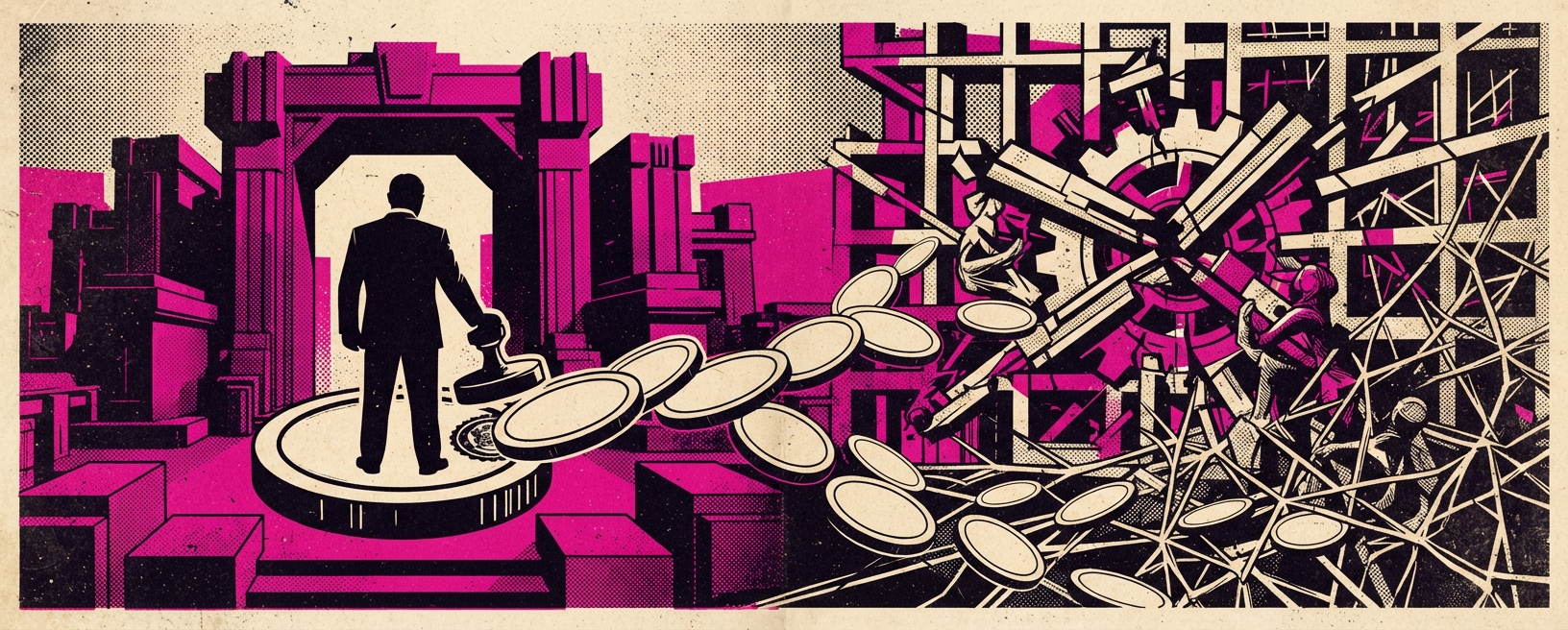
Dissolving the Department of Justice's dedicated cryptocurrency unit is an act that weakens the United States' resolve to eradicate complex digital asset crimes.
Nominee Blanche faced dual pressure between the Trump administration's deregulation stance aimed at encouraging innovation and senators concerned about the weakening of financial oversight. While the administration seeks to move away from the enforcement strategies of the Biden era, Congress is wary of the adverse effects such changes could have on national security and financial order. Throughout the hearing preparation process, Blanche has been persuading lawmakers by emphasizing his record of fighting crime.
Controversy Over the 'Dissolution' of the National Cryptocurrency Enforcement Team (NCET)
During the hearing, senators criticized nominee Blanche for effectively dismantling the NCET, the DOJ's specialized cryptocurrency enforcement unit, by integrating it into a broader department. Critics argued that this restructuring would weaken the DOJ's capacity to prosecute complex digital asset crimes. Blanche explained it as a measure to improve efficiency, but lawmakers raised sharp questions, fearing the potential loss of specialized expertise.
- Removal of restrictions on Changpeng Zhao's operation of financial ventures
- Increased possibility of Binance's business expansion in the U.S.
- Declaration of the end of the 'war on crypto' at the executive level
- Potential for resetting relations with regulatory authorities and changes in legal status
The presidential pardon for Changpeng Zhao cast a dark shadow throughout the hearing. While the Trump administration described the pardon as a symbolic measure to end the unfair crackdown on cryptocurrency, members of the Senate Judiciary Committee viewed it as a significant setback for financial accountability. In particular, concerns were raised that the pardon could send the wrong signal to the market, citing the fact that Binance had previously been fined heavily for violating anti-money laundering regulations.
In contrast to the Department of Justice's change in strategy, other government agencies still show a strong will for enforcement. On July 15, 2026, the U.S. Treasury Department's Office of Foreign Assets Control (OFAC) froze $131 million worth of assets in cryptocurrency wallets linked to the Central Bank of Iran and militant groups. This is an example showing that, rather than complete deregulation, strict financial campaigns are still accelerating for matters directly related to national security.
Market Reaction and Accelerated Convergence with Traditional Finance
Amid political controversy, the cryptocurrency market is accelerating its convergence with institutional finance. BlackRock is expanding its product pipeline, recently presenting a vision for combining cryptocurrency and traditional finance (TradFi), including tokenized Treasury funds and iShares ETFs. If the Department of Justice's enforcement stance becomes less hostile, the market entry and service expansion of these institutional investors are expected to gain further momentum.
However, there are clear risks associated with the strategy of decentralizing professional enforcement systems. There are significant concerns that if the cryptocurrency expertise accumulated within the Department of Justice is lost, the ability to respond to increasingly sophisticated crimes utilizing digital assets could decline. It is pointed out that if the perception that enforcement power has weakened spreads, money laundering or fraudulent activities exploiting this could increase, ultimately undermining market trust.
The confirmation of nominee Todd Blanche is expected to be decided within the next few weeks. The results of the Senate Judiciary Committee's vote and the subsequent new guidelines from the Department of Justice will be a major watershed in determining the future landscape of cryptocurrency regulation in the United States. Market participants are closely watching the specific policy directions Blanche will announce if he officially takes office and the impact they will have on the regulatory environment across the industry.


This content is for information and commentary only and is not investment advice.
Join the reader conversation
Read reactions to this article and leave your own note.