Keel Infrastructure Accelerates AI Transition by Consolidating Three Quebec Bitcoin Mining Sites into 96MW AI Campus
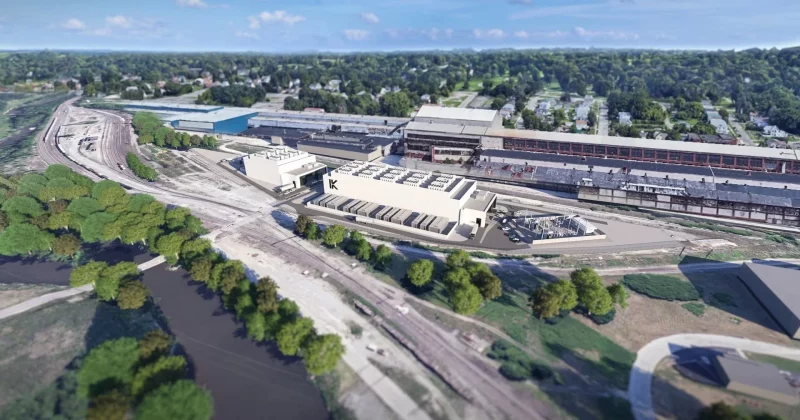
On July 15, 2026, Keel Infrastructure obtained final regulatory approval to consolidate three existing Bitcoin mining sites in Sherbrooke, Quebec, to build a 96MW AI and High-Performance Computing (HPC) campus.
On July 15, 2026, Keel Infrastructure secured final regulatory approval to convert three existing Bitcoin mining sites in Sherbrooke, Quebec, into a single consolidated 96MW AI and High-Performance Computing (HPC) campus. This decision is regarded as the most significant operational milestone the company has pursued since its name change in April 2026.
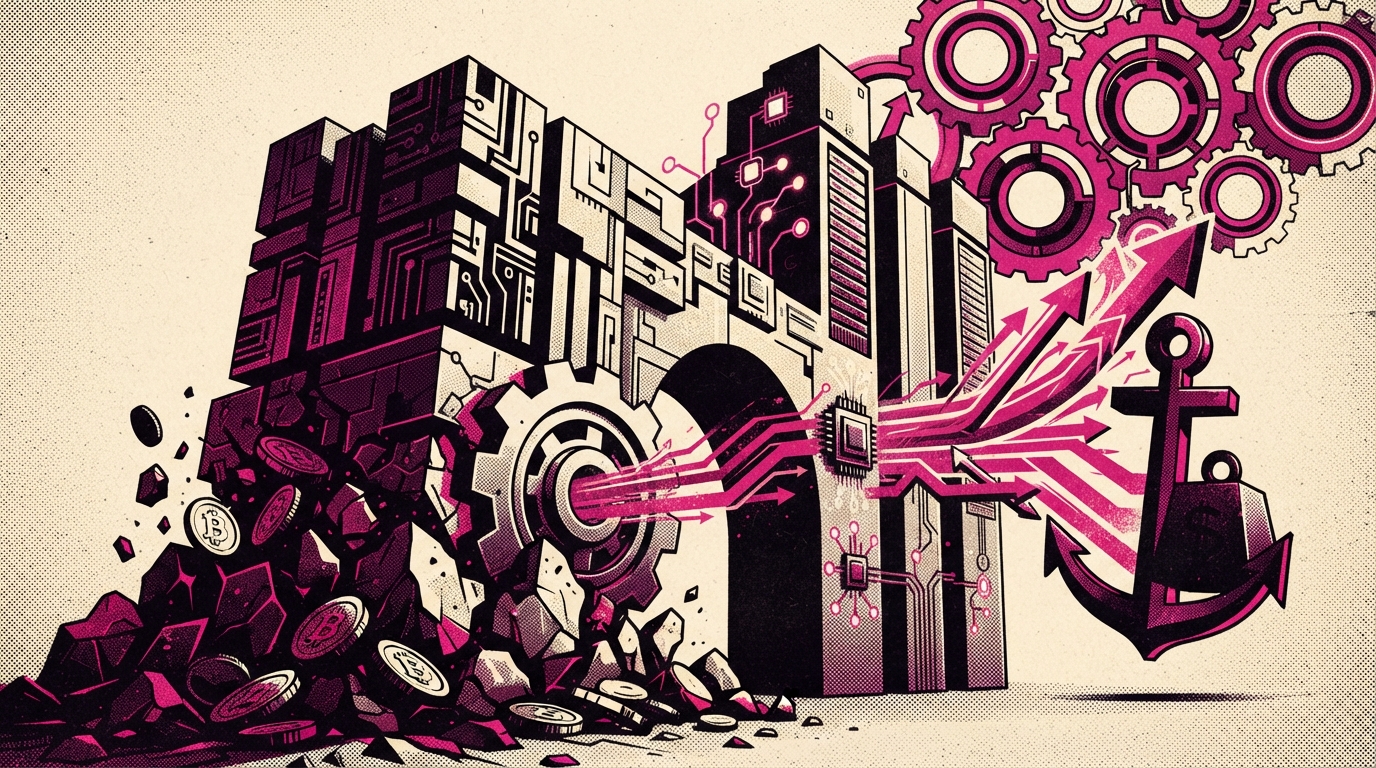
Keel Infrastructure is continuing its strategic move to pivot away from the volatile cryptocurrency mining business and capture the surging demand for AI data centers. The Sherbrooke campus is expected to be a key hub for this infrastructure transition, serving as the first large-scale example of entering the high-value computing market by leveraging existing grid connection rights.
The Sherbrooke consolidated campus will operate with a total power capacity of 96MW, optimized for handling high-performance computing workloads. Keel Infrastructure plans to maximize operational efficiency and strengthen its competitiveness as an AI infrastructure provider by merging three previously dispersed mining sites into one. Through this consolidation, the company has been able to increase power management efficiency and rapidly provide the infrastructure necessary for large-scale AI model training.
This approval for the Sherbrooke campus is an essential step in Keel Infrastructure's evolution from a Bitcoin mining company to a leader in next-generation AI infrastructure.
This transition is part of a strategic roadmap first announced in January 2026, with the company officially changing its name from Bitfarms to Keel Infrastructure on April 1, 2026. Along with the name change, the company completed its redomiciliation to the United States, intensifying its push into the North American HPC market. The company is realizing its vision of establishing itself as a core infrastructure provider for the AI era, based on its already established power infrastructure.
Strategic Financial Structure and AI Infrastructure Funding
Keel Infrastructure has solidified its financial foundation by securing a total of $458 million in funding for AI infrastructure construction. In the first quarter of 2026, it recorded a net loss of $145 million due to one-time costs incurred during the transition process, but the market is focusing on the company's long-term growth potential. Currently, the company holds approximately $533 million in liquidity, making it well-positioned for further facility expansion in the future.
- Sherbrooke Campus integrated capacity: 96 MW
- Total infrastructure pipeline: 2.2 GW
- Secured funding dedicated to AI construction: $458 million
- Q1 2026 net loss (including transition costs): $145 million
- KEEL stock price growth rate (since April 6, 2026): +115%
The company is also restructuring its portfolio by simultaneously selling and closing existing Bitcoin mining assets. It has classified Latin American assets, including those in Paraguay, as targets for sale to focus on North America-centered HPC development, and is pursuing commercial rezoning of existing mining sites such as Moses Lake, Washington. The proceeds from these asset sales will be reinvested as capital for building AI data centers.
The market reaction is very positive. Since listing under its new name on April 6, 2026, KEEL's stock price has risen by approximately 115%, proving strong investor confidence. The prevailing analysis is that the AI transition strategy, utilizing a vast infrastructure pipeline of 2.2 GW and existing grid connection rights, has been effective. Investors are placing more value on the first-mover advantage in the high-performance computing market rather than short-term net losses.
Starting with the Sherbrooke Campus, Keel Infrastructure plans to continue expanding AI data centers across its future 2.2 GW pipeline. Based on its existing strong power infrastructure, it is realizing its vision of becoming a key infrastructure provider in the AI era. In particular, as strong demand for the Pennsylvania and Moses Lake sites has been confirmed, expectations for future profitability improvements are also rising.
In conclusion, the approval of the Sherbrooke Campus integration is more than just site cleanup; it is an event that completely redefines the company's identity. By applying power operation know-how accumulated from Bitcoin mining to AI computing, the company has secured a unique position in the rapidly changing digital infrastructure market. The operation of the AI campus, which will begin in earnest in the second half of 2026, will be a key driver in diversifying the company's revenue structure.

This content is for information and commentary only and is not investment advice.
Join the reader conversation
Read reactions to this article and leave your own note.