Zero Network Shutdown and the Harsh Restructuring of the Ethereum Layer 2 Market in 2026
Zero Network, an Ethereum Layer 2 solution developed by Zerion, has announced its shutdown. This is interpreted as a result of the monopoly where the top three networks occupy 90% of the market, combined with liquidity depletion following a recent major security incident.
On May 21, 2026, the Zerion team announced the shutdown of its Ethereum Layer 2 solution, Zero Network. This is seen as a significant signal of the industry withdrawing from infrastructure competition while undergoing a painful consolidation phase. Among developers, there is a growing perception that the dream of "thousands of rollups" is turning into a reality of survival of the fittest in a market where three networks dominate 90% of the transaction volume.
Zerion decided to wind down Zero Network and reallocate resources to the growth of its core services, API and wallet services. According to a statement released on May 21, 2026, they chose a strategic shift to focus on user experience and developer tools instead of maintaining an independent Layer 2. This measure follows the judgment that it is difficult to secure market share compared to the massive costs of maintaining infrastructure.
The Ethereum Layer 2 ecosystem reached a critical tipping point in 2026. While more than 50 rollups are competing to attract users, a structure where a few dominant networks monopolize the market has become entrenched. In this environment, small and medium-sized networks have reached a level where it is difficult to cover operating costs, leading to restructuring across the ecosystem.
The Ethereum Layer 2 ecosystem has reached a tipping point. While more than 50 rollups are competing, Base, Arbitrum, and Optimism are processing 90% of all transactions.
According to a December 2025 report by 21Shares, the so-called "Big 3" networks—Base, Arbitrum, and Optimism—occupy approximately 90% of the total Layer 2 transaction volume. This means that the remaining 50 or so rollups are engaged in a desperate struggle for survival over just 10% of the market share. The strong ecosystems and liquidity built by the giant networks are becoming massive barriers for new entrants.
Series of Protocol Shutdowns
The case of Zero Network is just one part of a broader contraction phenomenon occurring in the industry recently. Since early 2026, a series of projects have been shutting down operations due to technical limitations or lack of funding. This can also be seen as a natural market purification process as investment capital concentrates on proven large-scale platforms.
- ZKsync Lite: Announced plans to cease operations during 2026, with approximately $50 million in user funds currently being managed safely.
- Astria: Once a promising shared sequencer project, it ceased operations in early 2026 due to a lack of adoption.
- Zero Network: Following Zerion's decision to withdraw from the infrastructure business, it entered a phased shutdown process as of May 21, 2026.
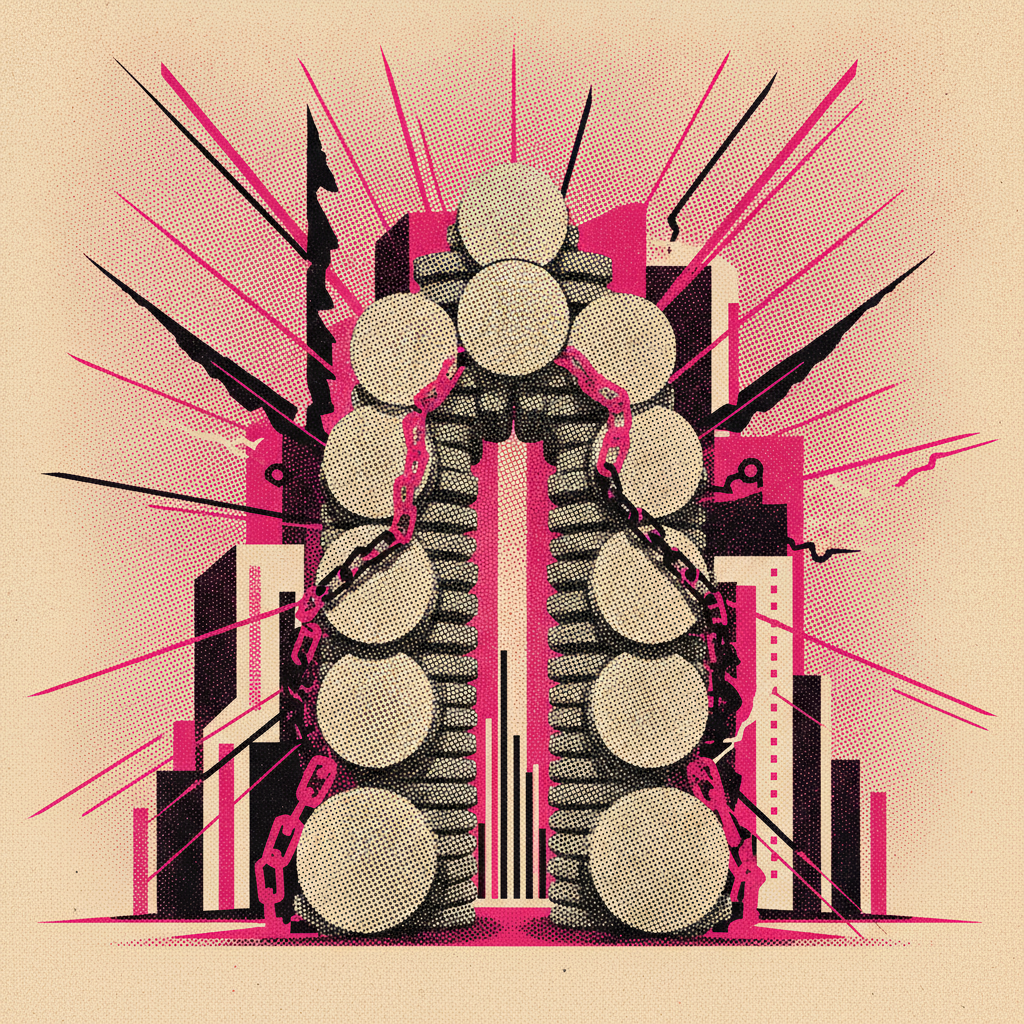
The KelpDAO vulnerability attack in April 2026 became a decisive trigger that accelerated this market contraction. Due to this incident, liquidity ranging from approximately $13 billion to $14 billion across the DeFi ecosystem evaporated in just two days. This was as destructive as the impact of the Terra/Luna collapse in 2022 and rapidly cooled speculative capital in the market.
Following the KelpDAO incident, investors began withdrawing funds from risky assets, and liquidity outflows intensified particularly in 'long-tail' protocols like Zero Network. This shock, caused by tokens that were supposed to maintain their peg losing value, became a major reason why small-scale Layer 2 networks lost their growth momentum. As a result, capital is returning to safer and more proven large-scale networks.
Infrastructure Maintenance Costs and Technical Barriers
The technical and financial burdens of operating a Layer 2 network are also factors that cannot be ignored. Most L2s still use permissioned sequencers managed by a single operator, incurring significant costs to maintain verifiability and neutrality. Shared sequencer networks like Espresso have been proposed as alternatives, but actual adoption remains limited.
On the other hand, Arbitrum demonstrated a strong network effect, recording a TVL of $17.8 billion as of mid-2025. Base is also leading the market, securing an overwhelming user base backed by Coinbase's support. The marketing and security maintenance costs required to compete with these giant networks likely acted as an unbearable burden for teams like Zerion.
With April 2026 recorded as the month with the highest number of security incidents in history, the integration and closure of protocols are expected to continue through the remainder of the second half of 2026. Capital is expected to gradually concentrate in environments with proven security and abundant liquidity, rather than in speculative new projects. This suggests that the Ethereum ecosystem has entered a period of halting quantitative expansion and strengthening qualitative internal stability.

This content is for information and commentary only and is not investment advice.
Join the reader conversation
Read reactions to this article and leave your own note.