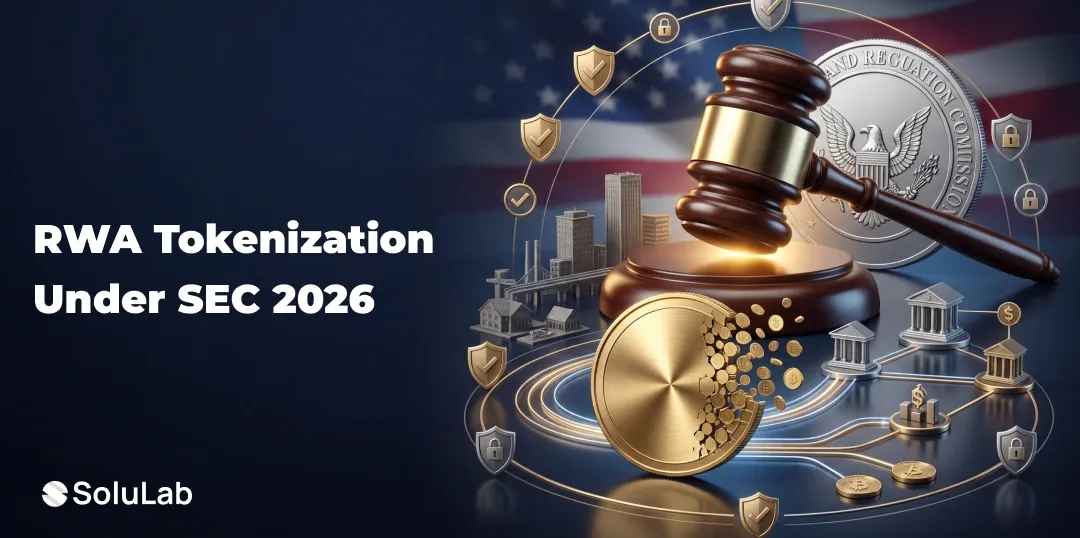
Wall Street Transfer Agent Association Intensifies Lobbying to SEC... 'Third-Party Issued Synthetic Tokens Threaten Market Integrity'
On July 13, 2026, the Securities Transfer Association (STA) intensified its lobbying efforts against the U.S. Securities and Exchange Commission (SEC), warning of the risks associated with third-party tokenized securities created without issuer approval.
On July 13, 2026, the Securities Transfer Association (STA) ramped up its lobbying efforts against the U.S. Securities and Exchange Commission (SEC), raising alarms over the proliferation of third-party tokenized securities. As traditional custodians of ownership records on Wall Street, they argued that so-called "synthetic" tokens, created without the explicit approval of the issuer, risk undermining the integrity of the U.S. capital markets.
In a letter submitted to the SEC, the STA made its position clear that regulatory benefits should only be granted to tokenized assets directly approved and managed by the issuer. This move aims to prevent digital assets from being traded separately from actual legal ownership, highlighting the deepening conflict between traditional financial infrastructure and the emerging digital asset ecosystem.
The association specifically took issue with the loose legal connection between tokens issued by third-party entities and the underlying securities. Since these tokens circulate without being recorded on the issuer's official registry, the STA's core point is that token holders' rights could be ignored during corporate dividend distributions or voting processes.
Only issuer-approved tokenization methods should receive preferential treatment in future regulatory frameworks, as indiscriminate tokenization by third parties could erode market trust.
According to guidelines released by the SEC in early 2026, tokenized securities are largely divided into issuer-sponsored models and third-party issuance models. While issuer-sponsored tokens are recorded directly on the company's official ledger, ensuring substantive shareholder rights, third-party tokens often take on a derivative nature that merely tracks the price of the underlying asset and frequently does not involve actual ownership.
Comparison of Tokenization Models and Legal Rights
These structural differences create significant disparities in terms of investor protection. While holders of issuer-sponsored tokens can fully enjoy traditional shareholder rights, such as receiving dividends and exercising voting rights, third-party token holders rely solely on the contractual relationship with the entity that issued the token, making it difficult to receive direct protection in the event of the issuing company's bankruptcy or corporate activities.
- Uncertainty of legal nature: Ambiguity over whether tokens are securities or swap-type derivatives.
- Settlement risk: Potential for settlement failure due to lack of synchronization with official registers and issues with open interest in legacy systems.
- Insufficient investor protection: Absence of a clear basis for rights to dividends and participation in corporate decision-making.
- Undermining market integrity: Separation between digital assets and underlying assets outside the issuer's control.
The SEC is currently regulating the tokenization market under the principle of 'new plumbing, same rules.' While it evaluates the introduction of Distributed Ledger Technology (DLT) positively and has confirmed technical feasibility through the Depository Trust Company (DTC) pilot program, its position is that the responsibilities and obligations of record-keeping must be strictly maintained within the framework of existing securities laws.
In particular, the SEC warned of risks that may arise from the diversity of third-party tokenization setups. It was specified as a major concern in the 2026 regulatory guidelines that while some setups provide a direct interest in actual securities, others merely track price fluctuations without ownership, which could mislead investors.
Conflict Among Market Stakeholders and Future Outlook
Companies emphasizing technological innovation are pushing back against the STA's protectionist lobbying. Citadel Securities and the Blockchain Association have submitted opinions to the SEC stating that tokenized U.S. stocks and DeFi trading protocols can increase market efficiency and liquidity. They warned that the maintenance of vested interests by existing transfer agents could hinder innovation.
This tension between traditional financial infrastructure and the decentralized finance ecosystem is expected to remain a continuous issue in the future regulatory establishment process. While transfer agents emphasize market stability and integrity, the fintech industry is calling for deregulation, highlighting technical efficiency and the immediacy of transactions.
Investors should closely examine the disclosures regarding the legal nature of each product to be announced by distributors over the next one to two weeks. Since clear disclosures will be made regarding whether the tokens in question are securities recognized by the issuer or synthetic products excluding dividends or voting rights, a cautious investment approach based on this information is required.


This content is for information and commentary only and is not investment advice.
Join the reader conversation
Read reactions to this article and leave your own note.