[Guide] 2026 AI Video Revolution: How to Create TikTok and YouTube Product Ads 'Nearly for Free'
As of July 2026, the barriers to professional video ad production have completely collapsed. We introduce a practical workflow for creating high-quality ads in just 20 minutes using only a single product photo and AI tools, while complying with platform-specific regulations.
As of July 12, 2026, the entry barriers for professional video ad production have virtually collapsed. Tasks that previously required studio rentals, camera crews, and budgets reaching tens of millions of won can now be completed in 20 minutes with just one product photo and a few AI tools. As video production costs have plummeted by up to 99%, the core challenge for brands is rapidly shifting from 'securing production budgets' to 'complying with platform-specific AI disclosure regulations.'
AI video tools cost between $2 and $30 per minute of finished video, depending on the subscription plan. This represents a cost saving of 97% to 99.9% compared to the $15,000–$50,000 per-minute cost of traditional agency production methods.
This drastic cost reduction is becoming a game-changer, especially for e-commerce brands with large product catalogs. In the past, budget constraints made it difficult to produce even 20 videos a month, but now, more than 200 customized videos can be generated for the same cost. This is the result of a structure where production can be infinitely scaled using only cloud-based tokens, without additional investment in manpower or equipment.
The Best 'Nearly Free' AI Toolkit for July 2026
Currently, the market is populated with various low-cost AI tools that small businesses and creators can utilize. Each tool has unique strengths, such as watermark removal, performance marketing optimization, and repurposing existing videos, making it important to choose according to your purpose. In particular, 2026-model tools are optimized to achieve textures close to actual footage with just text input.
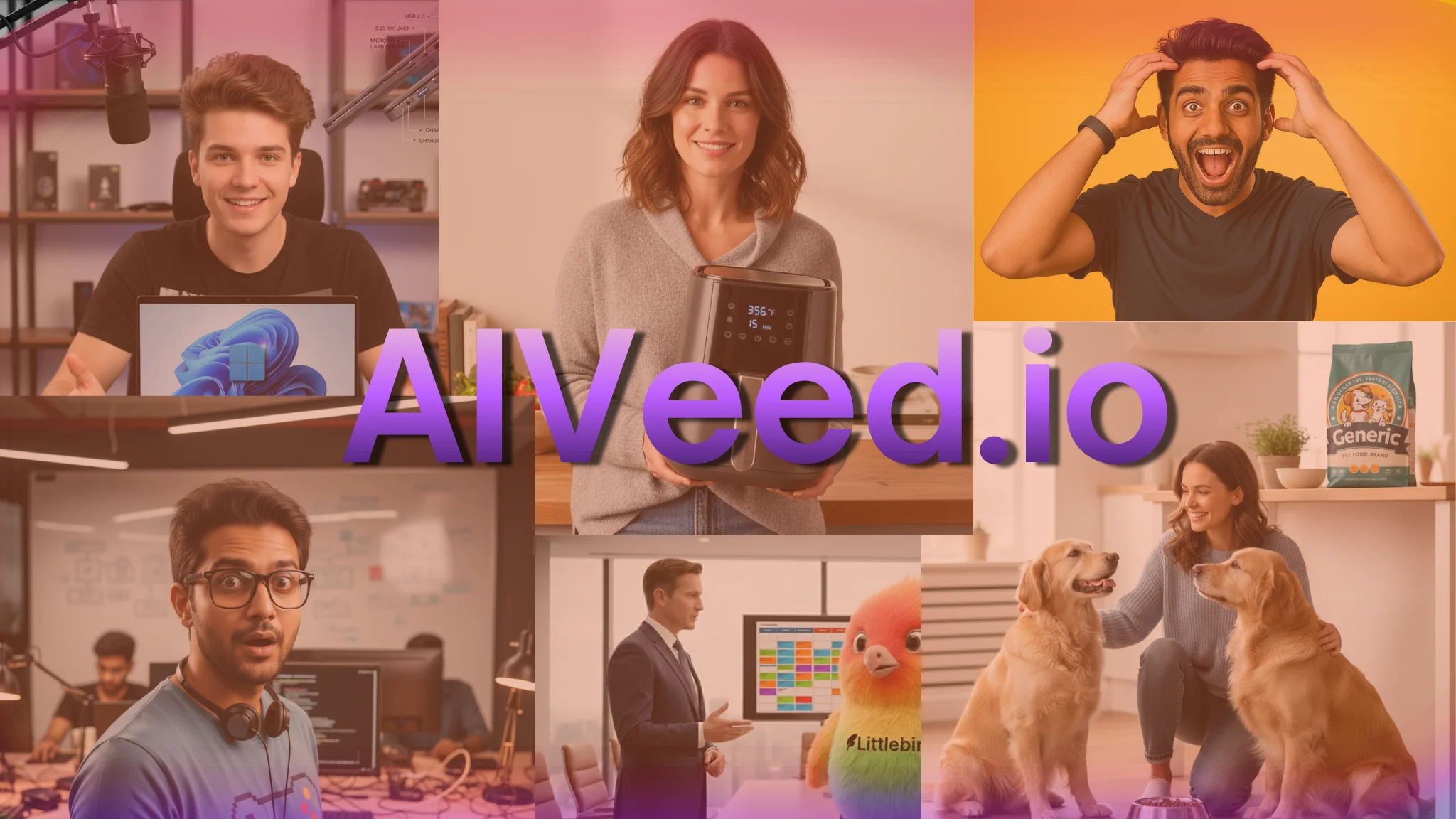
- ['CapCut: 데스크톱 버전에서 워터마크 없이 영상을 내보낼 수 있어 틱톡 및 인스타그램 릴스 제작에 가장 적합한 무료 옵션으로 꼽힌다.', 'AIVeed: 성능 마케팅에 필요한 속도와 비용 효율성이 뛰어나며, 초기 테스트를 위한 200개의 무료 크레딧을 제공한다.', 'Opus Clip: AI를 활용해 긴 영상에서 바이럴 가능성이 높은 순간을 자동으로 포착하여 틱톡용 짧은 클립으로 변환해 준다.', 'Invideo: 최소한의 입력만으로도 즉시 상업적 활용이 가능한 수준의 소셜 미디어 광고와 제품 영상을 생성한다.']
The practical workflow is very simple yet powerful. The entire process of inputting static product images into an AI model to give them natural movement, and combining AI voiceovers with virtual backgrounds, is completed within about 20 minutes. This speed allows brands to deploy ads that respond immediately to real-time issues in the TikTok environment, where trends change rapidly.
Platform-specific optimization strategies are also essential. Since vertical ads for TikTok and horizontal content for YouTube have different viewer engagement styles, the same source must be reconstructed according to the characteristics of each platform. Tools like Opus Clip contribute to maximizing Return on Investment (ROI) by finding the most attractive segments from existing footage and automatically cropping them into vertical formats.
2026 Disclosure Obligations and Regulatory Compliance Guide
With the flood of AI content, platform regulations in 2026 have become stricter than ever. YouTube forces users to specify AI usage through the 'Altered or synthetic content' checkbox, and imposes strong sanctions such as suspension of monetization or video deletion if violated. TikTok has also introduced a four-step AI-generated content labeling system and is operating an automatic detection system.
The latest regulations from the U.S. Federal Trade Commission (FTC) must also be understood. According to 2026 regulations, sponsored content generated by AI must clearly disclose the use of AI through voice or text overlays within 30 seconds of the video starting. Meta platforms have also integrated procedures to indicate AI-generated content within the Ad Manager, rejecting ad approval or penalizing accounts if disclosure is missing.
These technological advances are narrowing the position of traditional creative agencies. This is because AI is replacing human labor in the short-form content and simple explainer video production markets, causing existing high-price structures to collapse. An era of 'democratized marketing' has opened, where small businesses can now compete in the market by securing visual quality on par with giant brands.
Finally, creators must continuously monitor changes in the automatic detection algorithms introduced by TikTok and Instagram. Failure to comply with disclosure obligations can lead to exposure restrictions by the algorithm, which may halve marketing effectiveness. Successful marketing in 2026 depends on skillfully utilizing AI technology while perfectly implementing the platform's transparency guides.
| Platform | Required Action | Label Applied | Consequence of Non-Compliance |
|---|---|---|---|
| YouTube | Check 'Altered or synthetic content' box | Altered or synthetic content | Monetization loss / Video removal |
| TikTok | Use in-app AI disclosure toggle | AI-generated (4-tier system) | Reach impact / Penalties |
| Meta (FB/IG) | Check disclosure box in Ads Manager | AI-generated | Ad rejection / Account flags |
Mandatory labeling and disclosure steps for AI-generated advertising content across major platforms.


This content is for information and commentary only and is not investment advice.
Join the reader conversation
Read reactions to this article and leave your own note.