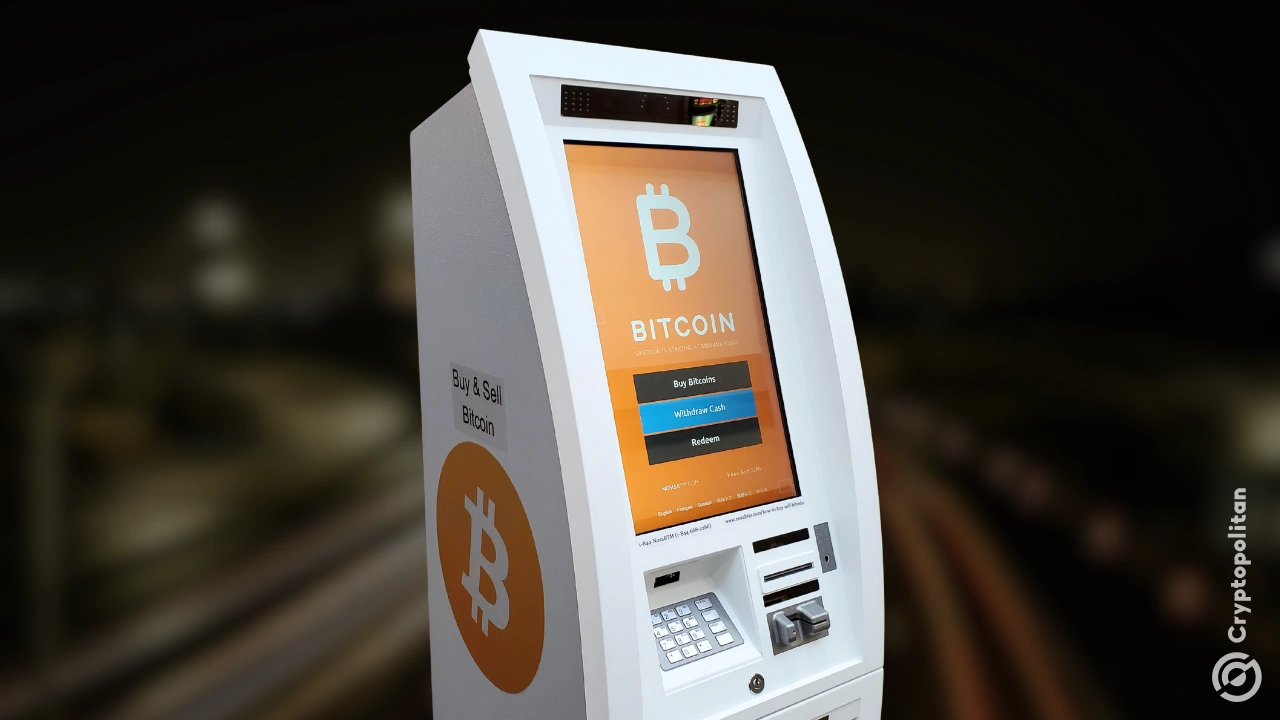
테네시주, 미국 내 두 번째로 암호화폐 ATM 전면 금지... 사기 방지 위한 강력한 규제 시행
빌 리 테네시 주지사가 암호화폐 ATM 운영을 전면 금지하는 법안에 서명했다. 이번 조치는 노년층을 대상으로 한 금융 사기를 근절하기 위한 것으로, 2026년 7월 1일부터 주 전역에서 모든 가상화폐 키오스크가 철거될 예정이다.
2026년 4월 13일, 빌 리(Bill Lee) 테네시 주지사가 하원 법안 2505호(HB 2505)에 최종 서명하며 암호화폐 ATM 운영을 전면 금지했다. 이로써 테네시는 인디애나주에 이어 미국 내에서 가상화폐 키오스크를 완전히 금지한 두 번째 주가 되었다. 이번 법안은 주 의회에서 이례적인 만장일치 지지를 얻으며 통과되었으며, 급증하는 금융 사기로부터 시민들을 보호하려는 강력한 의지를 반영한다.
암호화폐 ATM은 사기꾼들이 우리 시민들을 겁주어 평생 모은 저축을 탕진하게 만드는 빠르고 쉬운 도구가 되었다. 이 기계들을 제거함으로써 우리는 사기 수법의 가장 흔한 도구 중 하나를 차단하고 이를 막기 위한 중대한 조치를 취하는 것이다.
해당 법안은 지난 2026년 3월 16일 테네시주 하원에서 94대 0, 상원에서 32대 0이라는 압도적인 표차로 통과되었다. 공화당과 민주당 양측 모두가 이견 없이 찬성표를 던진 것은 암호화폐 키오스크를 통한 범죄 피해가 정당을 초월한 심각한 사회 문제로 인식되었음을 시사한다. 카메론 섹스턴(Cameron Sexton) 하원의장과 제이 리디(Jay Reedy) 하원의원이 공동 발의한 이 법안은 오는 2026년 7월 1일부터 공식 발효된다.
사기 근절과 노년층 보호를 위한 결단
테네시주 당국이 이번 금지 조치를 단행한 핵심 배경에는 노년층을 겨냥한 지능형 금융 사기가 자리 잡고 있다. 사기꾼들은 피해자에게 전화를 걸어 정부 기관이나 수사 기관을 사칭하며 압박을 가한 뒤, 인근 암호화폐 ATM을 통해 자금을 송금하도록 유도한다. 암호화폐 거래의 특성상 한 번 전송된 자금은 추적이 어렵고 되돌릴 수 없다는 점이 범죄에 악용되는 주요 원인으로 지목되었다.
- 거래의 비가역성으로 인한 피해 복구 불가능
- 익명성을 악용한 자금 세탁 가능성
- 전통적 금융 기관에 비해 현저히 낮은 소비자 보호 장치
- 노년층 등 취약 계층을 겨냥한 범죄 도구화
법안이 발효되는 2026년 7월 1일까지 테네시주 내의 모든 암호화폐 ATM 운영업체는 기기를 철거해야 한다. 현재 주 전역에 설치된 수많은 키오스크가 단 두 달 남짓한 기간 내에 모두 해체되어야 하는 상황이다. 이는 관련 업계에 상당한 물류적, 경제적 부담을 줄 것으로 예상되나, 주 정부는 소비자 안전이 기업의 영업권보다 우선한다는 입장을 고수하고 있다.
테네시의 이번 행보는 미국 내 다른 주들에게도 중요한 규제 신호를 보내고 있다. 과거에는 암호화폐 ATM에 대해 등록제나 운영 시간 제한 등의 부분적 규제를 적용하는 것이 일반적이었으나, 이제는 전면 금지라는 극단적인 처방을 내리는 주가 늘어나고 있다. 이는 암호화폐 서비스에 대한 주 정부의 전략이 단순한 감시에서 원천 차단으로 선회하고 있음을 보여준다.
연방 차원의 감시와 시장의 변화
주 정부의 움직임뿐만 아니라 연방 의회에서도 암호화폐 ATM 규제에 대한 논의가 활발하다. 2025년 발의된 '암호화폐 ATM 사기 방지법(S.710)'은 연방 차원에서도 이 분야를 예의주시하고 있음을 증명한다. 특히 최근 암호화폐 시장이 역대 최고가 대비 42% 폭락하는 등 변동성이 커지면서, 투자자 리스크 관리에 대한 정치권의 민감도가 그 어느 때보다 높아진 상태다.
암호화폐 업계 일각에서는 이번 금지 조치가 금융 소외 계층의 접근성을 저해할 수 있다는 우려를 제기하고 있다. 은행 계좌가 없는 시민들에게 암호화폐 ATM이 중요한 금융 창구 역할을 해왔다는 주장이다. 이에 따라 향후 주 간 통상 원칙이나 금융 규제 선점권을 둘러싼 법적 분쟁이 발생할 가능성도 배제할 수 없다.
그러나 테네시주가 암호화폐 기술 자체를 거부하는 것은 아니다. 주 의회는 최근 '테네시 전략적 비트코인 예비법' 등을 검토하며 디지털 자산을 주 재정에 통합하려는 혁신적인 시도도 병행하고 있다. 결국 이번 ATM 금지는 암호화폐 산업 전반에 대한 공격이라기보다, 기술의 허점을 악용한 사기 범죄를 척결하여 건전한 디지털 경제 생태계를 조성하려는 선별적 규제로 풀이된다.
| Event | Date | Outcome |
|---|---|---|
| House Vote | March 16, 2026 | Passed 94-0 |
| Senate Vote | March 16, 2026 | Passed 32-0 |
| Governor's Signing | April 13, 2026 | Signed into Law |
| Effective Date | July 1, 2026 | Mandatory Removal |
Key dates and milestones for the Tennessee crypto ATM ban.


본 콘텐츠는 정보 및 논평을 위한 것이며 투자 자문이 아닙니다.
기사에 대한 반응을 남겨보세요
다른 독자의 코멘트를 보고, 바로 의견을 남길 수 있습니다.