France's Crypto Kidnapping Crisis: The Tragedy of 'Wrench Attacks' Fueled by Tax Authority Data Leaks
In 2026, kidnapping cases targeting cryptocurrency investors in France have emerged as a national crisis, occurring every 2.5 days. Internal data leaks from tax authorities are being exploited by criminal organizations as targeting tools, severely threatening the physical safety of investors.
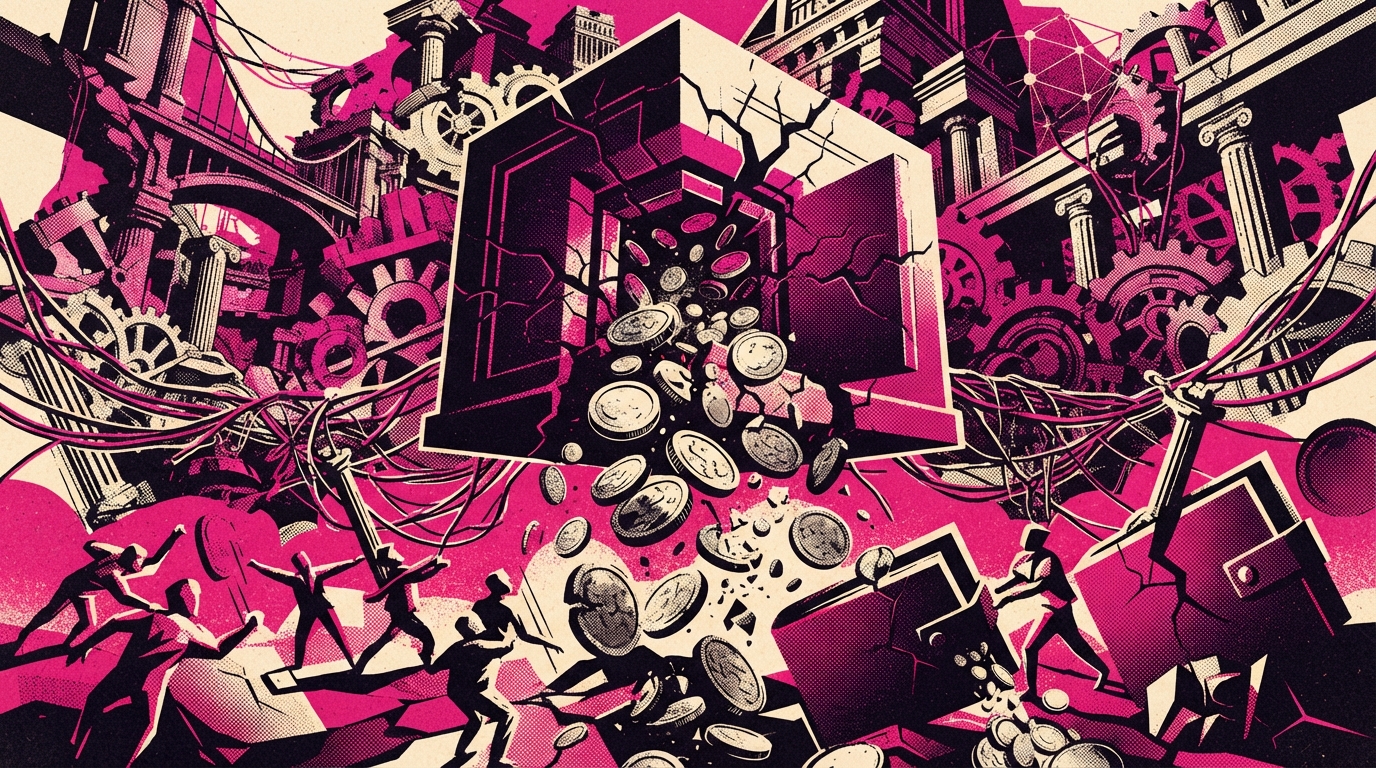
As of April 27, 2026, France has become the global epicenter of a brutal new type of crime known as 'wrench attacks.' Kidnappings targeting cryptocurrency investors are occurring once every 2.5 days, and the shocking fact has been revealed that these violent abductions are linked to a massive internal data leak within the French tax administration. What began as a boom in digital assets has now devolved into a physical security nightmare, driving wealthy cryptocurrency holders into a deadly corner between state surveillance and organized crime.
In 2026, a total of 41 cryptocurrency-related kidnapping cases have been reported to French authorities. This means that every 2.5 days, an investor or executive is being kidnapped or subjected to a home invasion, with criminal organizations precisely tracking targets through social media and leaked data. These attacks go beyond simple digital theft, employing extreme methods of physical violence against victims to forcibly seize private keys.
France has now become the epicenter of cryptocurrency-related kidnapping cases worldwide, with organized crime groups hunting investors based on information obtained through data leaks.
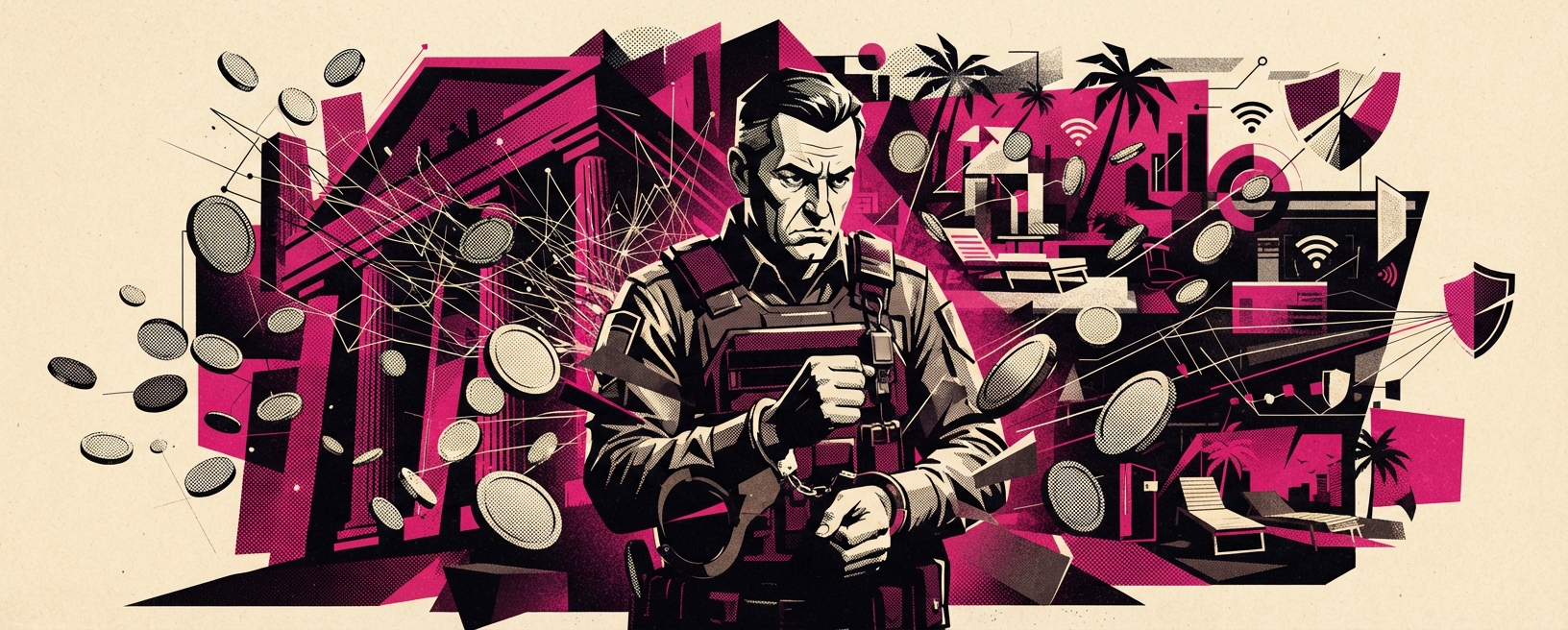
Investigative authorities have identified Ghalia C. (32), a former employee of the Bobigny tax office, as one of the key causes of this situation. Detained since June 2025, she is suspected of accessing the tax authority's internal database and selling the personal information of cryptocurrency experts and investors to criminal networks. Investigations revealed numerous records on her work computer specifically searching for cryptocurrency experts, and this information served as the coordinates for actual violent home invasions.
System Collapse: DGFiP Data Leak and 1.2 Million Victims
The data leak at the French tax authority (DGFiP) is understood to have affected approximately 1.2 million taxpayers. The leaked information included not only names, addresses, and dates of birth but also detailed bank account information including IBANs, serving as a perfect 'map' for criminals to select their targets. This systemic failure has led to a paradoxical situation where sensitive financial information collected by a state agency has instead exposed citizens to physical threats.
- A total of 41 cryptocurrency-related kidnapping cases occurred so far in 2026
- 88 suspects have been indicted across France, with 75 of them in custody
- More than 10 of those indicted were confirmed to be minors, highlighting the lowering age of criminal organizations
- The risk of cryptocurrency investment in France is approximately 12 times higher than in other European regions
According to data from cybersecurity firm CertiK, 19 out of 72 confirmed wrench attacks worldwide in 2025 occurred in France. This shows that France accounts for a significant portion of physical cryptocurrency attacks globally, a statistically overwhelming figure compared to other European countries. This lack of public safety is causing the operating costs of the cryptocurrency ecosystem in France to skyrocket, and is the background for many investors considering moving abroad for personal protection.
The French government is currently taking strong action, such as indicting 88 people through large-scale judicial processing, but critics point out that it is insufficient to stop the spread of already leaked data. Cryptocurrency companies are facing cost burdens due to rising insurance premiums and the expansion of security personnel, which risks weakening France's digital financial competitiveness in the long term. Unless fundamental security measures against internal information leaks are established, securing the physical safety of French investors is expected to face difficulties for the time being.
Judicial Response and the Evolution of Criminal Organizations
The French prosecution recently indicted 88 suspects related to cryptocurrency kidnappings through a nationwide crackdown. 75 of them are currently in pre-trial detention, and it was revealed that more than 10 of the indicted individuals are minors, showing that criminal organizations are actively recruiting young people. Investigative officials warned that criminal organizations are refining their attacks in connection with overseas entities, evolving into highly planned corporate-style crimes rather than simple accidental offenses.
The cryptocurrency industry is fundamentally modifying its operations to respond to these physical threats. Digital Asset Service Providers (DASPs) in France are significantly increasing security costs to protect employees, and some high-net-worth investors are moving their assets to avoid the tax authority's surveillance or relocating to other countries with enhanced physical security. Key industry figures, such as Pavel Durov, have strongly criticized the government's lack of management, raising allegations that French tax officials are selling data to criminal organizations.
In conclusion, France's cryptocurrency ecosystem is facing a new challenge: not only the security of digital assets but also the physical safety of their owners. This crisis, which began with a data leak from the tax authority, has undermined trust in state institutions, and restoring it requires strong measures to eradicate internal corruption along with technical security enhancements. Investors must keep a close eye on how their financial information is managed in the future, and if the government's response fails to keep pace with the evolution of criminal organizations, the cryptocurrency industry in France is likely to face a severe contraction.


This content is for information and commentary only and is not investment advice.
Join the reader conversation
Read reactions to this article and leave your own note.